

Introduction
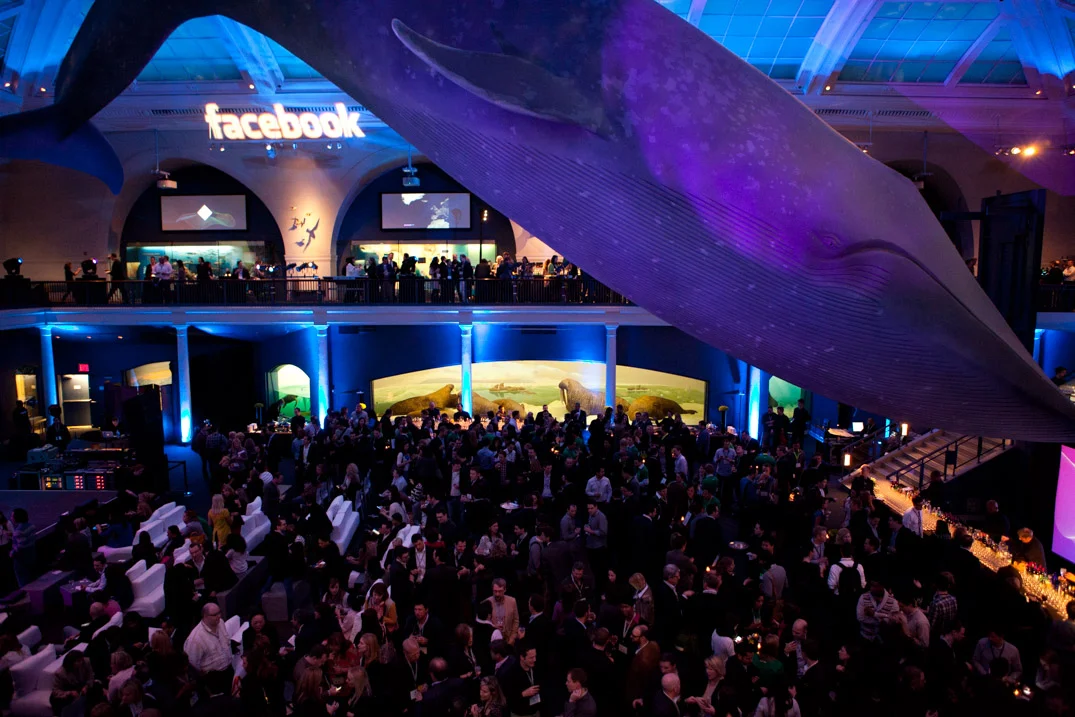
Events bring people together to celebrate achievements, exchange ideas, build professional relationships, and create lasting memories. Whether it is a corporate gathering, an industry conference, a business meeting, or a formal celebration, professional photography helps preserve the most important moments. National Harbor, Maryland, is a popular destination for business events and social gatherings, offering waterfront scenery, modern venues, and convenient access to the Washington, DC, metropolitan area. Among its well-known destinations, the Gaylord National Resort and Convention Center provides an impressive setting for conferences, exhibitions, and large-scale corporate events.
Hiring a National Harbor Event Photographer helps organizers capture the atmosphere, details, and memorable interactions that make an event successful. Similarly, a National Harbor Conference Photographer can document keynote presentations, networking sessions, panel discussions, and other important activities. For events hosted at the Gaylord National, experienced photography professionals can create a visual record that supports marketing, public relations, and future event planning.
Why Professional Event Photography Matters
Professional event photography is more than taking pictures of people in a room. It involves understanding the purpose of an event, anticipating important moments, working with different lighting conditions, and producing images that communicate the experience effectively.
Businesses frequently use event photographs for websites, newsletters, annual reports, social media campaigns, and promotional materials. Clear, well-composed images can demonstrate an organization’s professionalism and show prospective attendees what they can expect from future events.
A skilled photographer also understands how to capture genuine interactions without interrupting the natural flow of a gathering. From spontaneous conversations to formal presentations, every photograph should contribute to the overall story of the occasion.
Choosing a National Harbor Event Photographer
Selecting the right National Harbor Event Photographer begins with identifying the event’s goals and requirements. A small executive meeting may need discreet coverage and professional portraits, while a large corporate celebration might require photographs of the venue, entertainment, guest interactions, and award presentations.
Experience With Different Event Formats
Every event has its own schedule, atmosphere, and photography requirements. Corporate receptions often involve candid moments, while award ceremonies require carefully timed photographs of presenters and recipients. Product launches may focus on branded displays, demonstrations, and audience reactions.
An experienced photographer can adapt to these different situations while maintaining consistent image quality. Reviewing a portfolio before booking helps organizers understand the photographer’s style and ability to cover similar occasions.
Capturing Genuine Moments
Some of the most valuable event photographs are unplanned. A meaningful conversation between colleagues, a speaker responding to an audience question, or guests celebrating an achievement can communicate the energy of an event better than staged images alone.
Professional photographers look for these opportunities while remaining attentive to the event schedule. They can capture natural expressions, meaningful interactions, and important details without making guests feel uncomfortable.
Creating Images for Business Marketing
Corporate event photographs often have a purpose beyond documenting the day. Businesses may need images for press releases, company announcements, recruitment campaigns, and promotional content.
A professional photographer considers composition, backgrounds, lighting, and available branding when capturing images. This approach helps create photographs that can be used across different marketing channels.
The Importance of a National Harbor Conference Photographer
Conferences bring together industry professionals, business leaders, speakers, exhibitors, and attendees. Because these events often include multiple sessions and activities, documenting them requires preparation and careful coordination.
A National Harbor Conference Photographer helps preserve the important moments of a conference while providing organizers with a collection of images that reflects its value.
Documenting Keynote Speakers and Presentations
Keynote speeches and expert presentations are often central to a conference. Photographs should show the speaker clearly, communicate the scale of the audience, and capture the visual elements of the presentation where appropriate.
Photographers need to anticipate important moments, including audience reactions, speaker gestures, and interactions during question-and-answer sessions. Good preparation allows them to work efficiently without distracting participants.
Covering Networking Opportunities
Networking is one of the main reasons professionals attend conferences. Conversations during breaks, introductions between attendees, and informal meetings can be important parts of the overall experience.
Candid photography helps show the connections and collaboration taking place throughout the event. Organizers can later use these images to promote future conferences and demonstrate the opportunities available to participants.
Photographing Exhibitions and Panel Discussions
Many conferences include exhibition areas, sponsor displays, panel discussions, and educational workshops. Each activity contributes to the event’s overall story.
An effective photography plan should include wide photographs that establish the setting, medium shots of interactions, and close-up images that highlight important details. Covering different perspectives creates a more complete visual record.
Event Photography at Gaylord National
The Gaylord National Resort and Convention Center is a prominent event destination in National Harbor, Maryland. Its large meeting spaces, convention facilities, and distinctive indoor atrium environment make it suitable for a wide range of business and social occasions.
Working at a large resort and convention venue requires an understanding of the event layout, movement between spaces, lighting conditions, and scheduling requirements.
A Gaylord National Event Photographer can document corporate celebrations, networking receptions, award ceremonies, company meetings, and other gatherings hosted at the property. The photography approach should reflect the event’s objectives while showcasing the atmosphere and important features of the venue.
Highlighting the Venue and Atmosphere
Venue photography helps communicate the scale and character of an event. Wide-angle images can show the room setup, audience size, decorative features, and overall arrangement.
For receptions and formal gatherings, photographers can also capture table settings, branded installations, stage designs, floral arrangements, and other visual details. These images are particularly useful for event planners, hospitality teams, and organizations promoting future occasions.
Capturing Corporate Celebrations
Corporate celebrations provide opportunities to recognize employees, celebrate milestones, introduce new initiatives, and strengthen professional relationships.
A photographer can document award presentations, group photographs, speeches, and candid interactions. Combining these photographs creates a balanced collection that reflects both the formal program and the social atmosphere.
Working Efficiently in Large Venues
Large event spaces can present challenges involving distance, changing lighting, crowded walkways, and overlapping schedules. Photographers benefit from reviewing the event plan and identifying important locations before coverage begins.
Coordination with event organizers helps ensure that essential activities receive appropriate attention. This is especially important when several sessions or gatherings take place simultaneously.
Gaylord National Conference Photographer for Corporate Events
A Gaylord National Conference Photographer plays an important role in documenting conferences, conventions, seminars, trade shows, and professional meetings at the resort.
Conference photography requires technical skills as well as an understanding of business communication. The images should accurately represent the event, highlight participation, and provide useful material for post-event communications.
Preparing a Conference Photography Plan
Before the conference begins, organizers should identify the most important moments they want documented. These may include registration, opening remarks, keynote presentations, panel discussions, sponsor activities, networking breaks, and closing sessions.
Sharing the schedule with the photographer helps establish priorities and reduces the chance of missing significant moments. It is also helpful to discuss any restrictions involving photography, attendee privacy, or access to particular rooms.
Professional Images for Post-Event Promotion
After a successful conference, organizations often need photographs for recap articles, email campaigns, social media updates, and announcements about upcoming events.
A carefully selected image collection allows marketing teams to communicate the conference’s highlights and demonstrate attendee engagement. Consistent editing and thoughtful image selection can also strengthen the organization’s visual identity.
Balancing Candid and Formal Photography
Formal photographs, such as executive portraits, speaker images, and group photographs, serve different purposes from candid event coverage. Both styles can be valuable.
Formal images provide recognizable records of important participants, while candid photographs communicate the atmosphere and human connections behind the event. A balanced approach ensures that the final collection serves a variety of communication needs.
Tips for Booking an Event Photographer
Booking photography services early can make event planning easier, especially when an event includes multiple sessions or a large number of attendees.
Consider the following factors when comparing photographers:
- Portfolio quality: Review examples of corporate events, conferences, receptions, and similar gatherings.
- Coverage requirements: Confirm the event date, duration, venue areas, and activities that need photography.
- Delivery timeline: Ask when edited photographs will be available and how the final collection will be delivered.
- Image usage: Discuss licensing and permission for using photographs in advertising, websites, publications, and social media.
- Communication: Choose a photographer who responds clearly and understands the event’s objectives.
- Backup planning: Ask about equipment backups and arrangements for unexpected scheduling changes.
Providing a detailed event schedule and a list of priority photographs can help the photographer prepare an efficient coverage plan.
Conclusion
Professional event photography helps businesses and organizations preserve meaningful experiences, recognize achievements, and communicate their success to wider audiences. From corporate receptions and networking gatherings to large conventions and industry conferences, quality photographs provide lasting value long after the event concludes.
Choosing a National Harbor Event Photographer can help capture the people, atmosphere, and important moments that define a gathering. A National Harbor Conference Photographer can document presentations, networking activities, and professional discussions, creating valuable visual content for future marketing efforts.
At the Gaylord National Resort and Convention Center, an experienced Gaylord National Event Photographer can highlight the venue, celebrations, and interactions that make each occasion distinctive. Meanwhile, a Gaylord National Conference Photographer can deliver comprehensive coverage of keynote speakers, panel sessions, exhibitions, and corporate activities.
With thoughtful preparation, clear communication, and a photography approach tailored to the occasion, organizations can build a compelling visual record of their events and make those experiences useful for future promotion, engagement, and professional storytelling.