

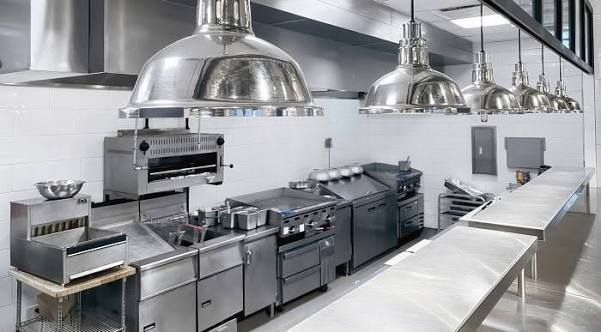
A modern restaurant kitchen depends on the right tools, appliances, and workstations to deliver high-quality meals efficiently. Whether operating a small café, a busy family restaurant, or a large commercial dining establishment, choosing suitable equipment helps improve food preparation, maintain hygiene, reduce waste, and support consistent service. Investing in reliable restaurant equipment is an important step toward building a productive kitchen that meets customer expectations and supports long-term business growth.
From cooking appliances and refrigeration systems to food preparation tools and cleaning stations, every piece of equipment plays a specific role in daily operations. Understanding which items are essential makes it easier for restaurant owners to plan their kitchens, control expenses, and create a safe working environment for their teams.
1. Commercial Cooking Equipment for Consistent Food Preparation
Cooking appliances are at the heart of every professional kitchen. Restaurants need dependable equipment that can handle regular use while maintaining consistent cooking results. The appropriate appliances depend on the menu, the number of customers served, and the available kitchen space.
Commercial ranges, ovens, grills, griddles, and deep fryers are among the most common cooking essentials. A commercial range allows chefs to prepare several dishes simultaneously, while convection ovens distribute heat efficiently for baking, roasting, and reheating. Grills and griddles are useful for restaurants serving burgers, grilled vegetables, sandwiches, and breakfast items.
High-capacity appliances can help busy kitchens manage peak service periods without unnecessary delays. However, restaurant owners should avoid purchasing equipment that exceeds their actual operational needs. Selecting appliances according to menu requirements and expected demand supports better energy use and more efficient workflows.
2. Refrigeration Equipment for Food Safety
Proper refrigeration is essential for maintaining ingredient quality and protecting food safety. Restaurants regularly store meat, seafood, dairy products, fresh vegetables, sauces, and prepared ingredients that require controlled temperatures.
Commercial refrigerators and freezers provide the storage capacity needed for daily operations. Reach-in refrigerators offer convenient access to frequently used ingredients, while walk-in coolers are suitable for establishments that need substantial storage space. Undercounter refrigerators can also improve efficiency by keeping essential ingredients close to preparation stations.
Additional refrigeration options include refrigerated prep tables and display refrigerators. Prep tables are particularly useful for sandwich shops, pizzerias, and salad restaurants because they allow staff to assemble dishes while keeping ingredients appropriately chilled.
Restaurant managers should consider temperature consistency, storage capacity, energy efficiency, and ease of cleaning when choosing refrigeration systems. Regular maintenance and temperature monitoring also help prevent spoilage and reduce unnecessary food waste.
3. Food Preparation Tools and Workstations
Efficient food preparation allows kitchen staff to complete orders faster and maintain consistent portion sizes. Essential preparation tools include commercial cutting boards, stainless steel worktables, food processors, commercial mixers, vegetable slicers, and food scales.
Food processors reduce the time required for chopping, slicing, and mixing ingredients. Commercial mixers are valuable for bakeries, pizza restaurants, and businesses that prepare dough, batters, or large quantities of sauces. Digital scales help maintain accurate ingredient measurements and consistent portions.
Stainless steel worktables provide durable, easy-to-clean surfaces for preparing ingredients. Their smooth construction makes them suitable for professional food environments when maintained according to appropriate hygiene practices.
Organizing preparation areas according to specific tasks can further improve productivity. For example, placing washing facilities near ingredient cleaning stations and keeping cutting tools close to preparation tables reduces unnecessary movement. A well-planned workstation helps employees complete tasks comfortably while minimizing cross-contamination risks.
4. Commercial Dishwashing and Cleaning Equipment
Clean dishes, utensils, cookware, and preparation surfaces are essential for maintaining customer confidence and meeting food hygiene requirements. Commercial kitchens need cleaning systems that can handle the volume of items produced during busy service periods.
Commercial dishwashers are particularly useful for restaurants with high customer turnover. Depending on the business’s needs, owners may choose undercounter, door-type, or conveyor dishwashers. These systems can process dishes more efficiently than manual washing alone, provided staff follow the manufacturer’s operating instructions.
Three-compartment sinks, dedicated handwashing sinks, cleaning brushes, and food-safe sanitizing supplies are also important. Separate cleaning and food preparation areas help maintain sanitary working conditions.
Restaurant managers should establish regular cleaning schedules for equipment, floors, counters, and storage areas. Employees should receive appropriate training on cleaning procedures, chemical handling, and hygiene standards. Proper maintenance of dishwashing equipment also supports reliable performance and helps extend its useful life.
5. Ventilation Systems and Kitchen Safety Equipment
Professional kitchens generate heat, steam, smoke, and grease during cooking. Without suitable ventilation, these conditions can make the working environment uncomfortable and increase safety risks.
Commercial exhaust hoods remove cooking fumes and help manage grease-laden vapors. Depending on the kitchen layout and appliances, ventilation systems may also require grease filters, exhaust fans, and properly designed makeup-air systems.
Fire safety equipment is equally important. Commercial cooking operations may require approved fire suppression systems, suitable fire extinguishers, and emergency shutoff controls. These systems should be selected, installed, inspected, and maintained according to local regulations and applicable safety standards.
Non-slip flooring, clear walkways, adequate lighting, and accessible first-aid supplies further contribute to a safer workplace. Restaurant owners should work with qualified professionals when designing ventilation and fire protection systems, particularly when installing gas-powered cooking appliances.
6. Food Storage and Organization Solutions
An organized kitchen allows employees to locate ingredients, utensils, and supplies quickly. Efficient storage also helps protect food quality and reduces the risk of contamination.
Essential storage solutions include shelving units, ingredient bins, food storage containers, racks, and cabinets. Stainless steel shelving is useful in many commercial kitchens because it is durable and easy to maintain. Food-grade containers with secure lids help protect ingredients from moisture, dust, and other contaminants.
Proper labeling is another important practice. Containers should identify their contents and include relevant preparation or storage dates. Staff should follow appropriate temperature requirements and stock rotation procedures, such as first-in, first-out, to help minimize spoilage.
Restaurant owners should plan storage areas according to how frequently different items are used. Frequently needed ingredients and utensils should remain accessible, while less commonly used supplies can be stored in designated secondary areas.
7. Smallwares and Essential Kitchen Accessories
Although large appliances receive considerable attention, smaller tools are equally important for everyday kitchen performance. These items support accurate preparation, portion control, safe handling, and consistent presentation.
Common smallwares include chef’s knives, tongs, spatulas, ladles, measuring cups, mixing bowls, thermometers, timers, trays, and cookware. Restaurants also need appropriate plates, glasses, cutlery, and serving utensils for front-of-house operations.
The quantity required depends on the restaurant’s menu, service style, and expected customer volume. Maintaining sufficient spare utensils helps prevent workflow interruptions when tools are being washed or sanitized.
When buying smallwares, owners should prioritize durability, comfort, food safety, and suitability for repeated commercial use. Keeping frequently used accessories organized in designated locations also helps employees work more efficiently.
8. How to Choose the Right Restaurant Supply Partner
Selecting suitable equipment is only one part of building a successful kitchen. Restaurant owners also need a dependable supplier who can provide quality products, replacement parts, and ongoing support.
A reliable restaurant supply partner can help businesses compare equipment options, identify products suited to their menus, and understand installation or maintenance requirements. Working with an experienced supplier may also simplify purchasing by allowing owners to source multiple kitchen essentials through one provider.
Before placing an order, compare product specifications, warranties, energy requirements, delivery arrangements, and after-sales services. It is also useful to confirm whether installation, staff training, and repair support are available.
Price matters, but the cheapest product is not always the most economical choice. Equipment that breaks down frequently or consumes excessive energy can create higher long-term expenses. Evaluating expected lifespan, maintenance needs, and operational performance helps restaurant owners make informed purchasing decisions.
9. Budgeting and Maintaining Kitchen Equipment
Creating an equipment budget requires more than calculating initial purchase prices. Restaurant owners should also account for installation, utilities, cleaning products, routine servicing, replacement parts, and potential repairs.
A practical approach is to prioritize essential equipment before investing in optional upgrades. Cooking appliances, refrigeration, preparation surfaces, cleaning facilities, and safety systems generally deserve attention before decorative or specialized additions.
Preventive maintenance is another important part of controlling costs. Employees should clean equipment according to manufacturer instructions, inspect components regularly, and report unusual noises, temperature changes, leaks, or performance problems promptly.
Keeping maintenance records helps managers identify recurring issues and schedule servicing before problems disrupt operations. Energy-efficient appliances may also reduce utility expenses over time, depending on their purchase price, usage patterns, and operating conditions.
Conclusion
Equipping a modern commercial kitchen requires careful planning, practical purchasing decisions, and a clear understanding of daily restaurant operations. Cooking appliances, refrigeration systems, preparation workstations, dishwashing facilities, ventilation, storage solutions, and smallwares all contribute to a productive food service environment.
Choosing suitable restaurant equipment helps businesses maintain food quality, improve workflow, support hygiene, and provide consistent service. At the same time, partnering with a dependable restaurant supply provider can simplify purchasing and provide valuable assistance with product selection and maintenance.
By focusing on durability, safety, energy efficiency, and the specific needs of their menus, restaurant owners can create well-organized kitchens that support their employees and deliver a better experience for customers.