

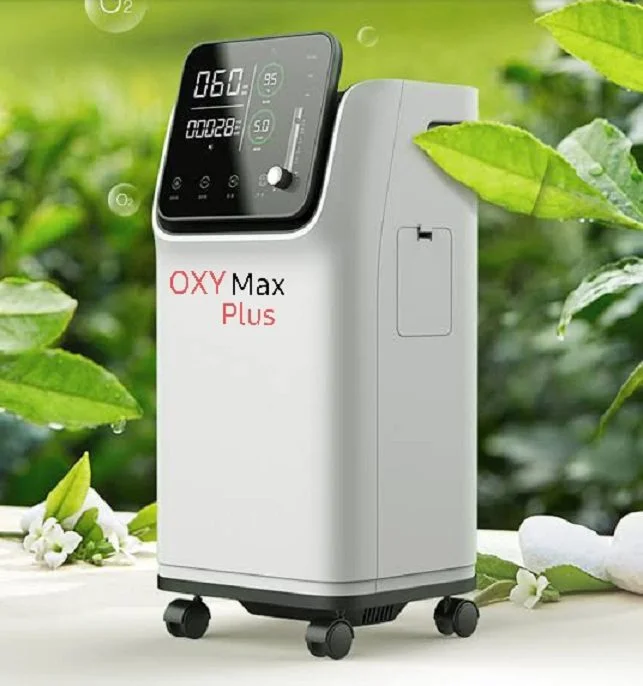
Home oxygen therapy has changed significantly over the years. What was once associated with large, heavy equipment and complicated maintenance has gradually developed into a more convenient and adaptable solution for people who require supplemental oxygen at home. Modern oxygen concentrators are designed with improved technology, quieter operation, better energy efficiency, and greater portability. This evolution has made home oxygen therapy easier to integrate into everyday routines.
For people searching for 家用氧氣機, understanding how oxygen concentrator technology has developed can help explain why modern systems offer greater convenience and flexibility than earlier generations.
The Early Development of Home Oxygen Therapy
Traditional oxygen therapy relied heavily on compressed oxygen cylinders. These cylinders stored oxygen under pressure and required regular replacement or refilling. Although they provided an effective oxygen source, their size, weight, and storage requirements could make long-term home use challenging.
The introduction of oxygen concentrators represented an important technological change. Instead of storing a fixed supply of oxygen, concentrators could take oxygen from the surrounding air and separate it from other atmospheric gases. This allowed the device to provide a continuing oxygen supply while connected to an appropriate power source.
Early concentrators were generally large and relatively heavy. They were primarily designed to remain in one location, making them suitable for a bedroom or dedicated treatment area but less convenient for people who wanted greater mobility.
How Oxygen Concentrators Work
Modern oxygen concentrators use a process known as pressure swing adsorption. The machine draws in ordinary room air and passes it through specialized molecular sieve materials.
These materials preferentially separate nitrogen from oxygen. After nitrogen is removed, the concentrated oxygen is delivered to the user through tubing or another prescribed delivery system.
The process can continuously repeat while the device operates. Unlike an oxygen cylinder, a concentrator does not need to contain a predetermined volume of oxygen. This fundamental design has helped make oxygen therapy more practical for long-term home use.
Advances in components, filtration, sensors, and control systems have allowed manufacturers to improve how efficiently this process operates.
From Large Machines to More Compact Designs
One of the most noticeable developments has been the reduction in equipment size. Earlier home concentrators could be difficult to move because of their weight and bulky construction.
Modern designs increasingly focus on compact construction. Smaller internal components, improved molecular sieve systems, efficient compressors, and better engineering have contributed to more manageable devices.
For users researching 家用氧氣機 options, portability can be an important consideration. Some concentrators are designed primarily for stationary home use, while portable oxygen concentrators are engineered for people who need greater freedom to move around.
The development of portable systems has expanded the possibilities for maintaining prescribed oxygen therapy during suitable daily activities and travel.
Improvements in Energy Efficiency
Energy efficiency has also become an important part of oxygen concentrator development. Compressors and other internal components must operate continuously or according to the device’s programmed delivery pattern.
Modern engineering has focused on reducing unnecessary energy consumption while maintaining appropriate oxygen production. Improved motors, control electronics, airflow management, and operating algorithms can contribute to more efficient performance.
Energy-efficient designs can be particularly useful for people who use their equipment for extended periods. They may also help reduce the practical challenges associated with operating a medical device throughout the day and night.
Quieter Operation for the Home
Noise was another limitation associated with some earlier oxygen concentrators. Because these devices contain compressors and airflow systems, mechanical noise can be noticeable.
Advances in compressor design, vibration control, insulation, airflow pathways, and overall construction have helped manufacturers develop quieter equipment.
Reduced operating noise can make an oxygen concentrator easier to incorporate into bedrooms, living rooms, and other areas where people spend significant amounts of time. For nighttime users, quieter operation can be especially valuable because unnecessary equipment noise may interfere with rest.
Smarter Monitoring and Controls
Digital technology has transformed many modern medical devices, and oxygen concentrators are no exception. Contemporary systems may incorporate electronic controls, sensors, alarms, displays, and monitoring features.
Depending on the model, users may receive information about operating status, power conditions, filters, or other system functions. Alerts can help identify situations that require attention, such as a blocked airflow path or another operating issue.
These features can make equipment easier to manage than older systems that depended more heavily on basic mechanical controls.
Some newer technologies also explore connectivity and remote monitoring capabilities. These developments may allow healthcare professionals or caregivers to obtain more useful information about equipment performance when such features are supported and appropriately configured.
Portable Oxygen Concentrators and Greater Mobility
Portability has been one of the most influential developments in oxygen concentrator technology. Traditional stationary machines were designed primarily for use in one place, but portable oxygen concentrators introduced a different approach.
Portable models are generally smaller and may operate using rechargeable batteries. Some are designed around pulse-dose oxygen delivery, while other systems may provide continuous-flow options depending on their specifications.
This technology can make it easier for appropriately prescribed users to participate in activities outside the home. However, not every portable concentrator is suitable for every person. Oxygen requirements vary, and the appropriate flow setting and delivery method should always be determined by a qualified healthcare professional.
Better User-Centered Design
Modern 家用氧氣機 development is not limited to oxygen production. Manufacturers also consider how people interact with the equipment.
Features such as wheels, carrying handles, simplified controls, readable displays, replaceable filters, and organized tubing connections can make routine operation more manageable.
Design improvements can be particularly meaningful for older adults or people who may have limited mobility. A device that is easier to move, understand, clean, and monitor can fit more naturally into a home environment.
Reliability and Maintenance
As oxygen concentrator technology has evolved, reliability has become another major design consideration. Concentrators are often intended for regular use, so internal components must withstand extended operating periods.
Modern systems may include protective mechanisms, alarms, filtration systems, and temperature or pressure monitoring. These features can help support consistent operation and alert users when maintenance or troubleshooting may be necessary.
Even with technological improvements, routine maintenance remains important. Filters, tubing, accessories, and other components should be handled according to the manufacturer’s instructions. Equipment should also be inspected regularly for visible damage or performance problems.
The Future of Home Oxygen Concentrator Technology
The development of home oxygen technology is continuing. Future systems may focus on further reductions in size and weight, improved battery performance, quieter operation, greater energy efficiency, and increasingly sophisticated monitoring.
Digital connectivity may also play a larger role. Connected devices could potentially provide more detailed equipment information and support remote management when integrated with appropriate healthcare systems.
Artificial intelligence and advanced sensor technologies may eventually contribute to more responsive equipment, although medical applications require careful validation, regulatory oversight, and clinical evidence before new features can be broadly adopted.
Choosing Modern Oxygen Technology Carefully
Technological advancement provides more choices, but selecting an oxygen concentrator should not be based solely on size, appearance, or additional features. Oxygen therapy is a medical treatment, and the equipment should match the user’s prescribed oxygen requirements.
Factors such as oxygen output, continuous-flow or pulse-dose capability, battery requirements, noise level, maintenance needs, warranty support, and intended environment can all be relevant.
A healthcare professional can help determine which type of oxygen delivery system is appropriate. Users should follow their prescribed oxygen settings rather than changing them independently.
Conclusion
The evolution of the home oxygen concentrator has transformed oxygen therapy from a relatively stationary and equipment-intensive process into a more flexible technology. Improvements in molecular sieve systems, compressors, electronics, portability, energy efficiency, noise reduction, and monitoring have all contributed to modern designs.
For anyone researching 家用氧氣機, understanding this technological progression provides useful context when comparing different types of equipment. While today’s concentrators offer greater convenience and flexibility, the most important consideration remains appropriate medical use. With professional guidance and proper maintenance, modern oxygen technology can become an integrated part of a person’s home-care routine.