

Introduction
Technology has become an essential part of modern life, influencing how people communicate, work, exercise, travel, and manage their daily responsibilities. Among the most exciting developments in recent years is wearable technology. These smart devices combine convenience, connectivity, and data tracking to help people understand their routines and make more informed decisions. From smartwatches and fitness bands to smart rings and connected glasses, wearable devices are changing the relationship between people and technology.
Unlike traditional electronic gadgets, wearable technology is designed to become part of everyday life. People can wear these devices on their wrists, fingers, or faces without carrying additional equipment. Many products can monitor physical activity, record sleep patterns, display notifications, and measure selected health-related indicators. As sensors become smaller and software becomes more sophisticated, wearable devices are becoming increasingly practical for different lifestyles.
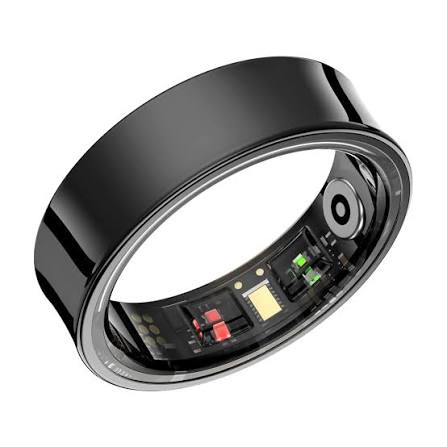
One important development is the growing popularity of smart rings. These compact devices offer an alternative to larger wearables, particularly for people who prefer a discreet design. Products such as the COLMI R09 Smart Ring have attracted attention from consumers exploring accessible wearable technology. For individuals searching for a budget smart ring with heart rate tracking, smart rings provide an interesting option to investigate when comparing features, comfort, compatibility, and price.
What Is Wearable Technology?
Wearable technology refers to electronic devices designed to be worn on the body. These products use sensors, processors, wireless connectivity, and software to collect information or provide useful functions. Depending on the device, information may be displayed directly on a screen or transferred to a smartphone application for further review.
Wearables serve many purposes. Fitness trackers help users monitor activity, smartwatches provide communication features, and smart rings offer discreet ways to collect selected personal data. Specialized wearable devices can also support workplace safety, navigation, accessibility, and certain medical applications.
The defining characteristic of wearable technology is its integration into daily routines. Instead of requiring users to operate a separate device constantly, many wearables collect information in the background and make it available when needed.
The Evolution of Wearable Devices
Early wearable technologies were often limited to basic timekeeping, calculators, or specialized professional equipment. As mobile computing and wireless communication developed, manufacturers introduced products capable of connecting with smartphones and online services.
Modern wearables combine multiple functions in relatively small designs. A smartwatch may include activity tracking, notification management, music controls, and navigation. A smart ring may focus on selected biometric measurements and sleep-related information while avoiding the larger screen found on a watch.
Improvements in battery efficiency, sensor design, and mobile applications continue to expand the possibilities of these devices. Wearable technology is no longer limited to technology enthusiasts; it has become relevant to students, professionals, athletes, travelers, and everyday consumers.
How Wearable Tech Is Transforming Everyday Life
1. Making Fitness Tracking More Convenient
One of the most familiar uses of wearable technology is fitness tracking. Many people want to understand how active they are throughout the day without manually recording every movement. Wearables simplify this process by automatically collecting activity-related information.
Depending on the model, a wearable device may record steps, estimate distance, monitor exercise sessions, and calculate approximate energy expenditure. Users can review these measurements through an application and compare their activity over time.
This information can help people establish realistic movement goals and recognize patterns in their routines. For example, someone who spends several hours sitting at a desk may discover that short walking breaks help them become more active throughout the day.
Wearable devices are also useful for people who enjoy walking, cycling, recreational sports, or gym workouts. However, their measurements should be understood as estimates rather than perfectly accurate records. The quality of the data depends on sensor design, device placement, software, and the activity being measured.
2. Understanding Heart Rate and Personal Wellness
Heart rate tracking is another popular feature in wearable technology. Optical sensors in compatible devices use light to estimate changes in blood volume beneath the skin. Software then processes these signals to estimate heart rate.
This feature can help users observe how their heart rate changes during rest, physical activity, and recovery. When reviewed over time, the information may provide a general picture of personal activity patterns.
Consumers comparing wearable devices often look for heart rate tracking because it offers useful information without requiring a separate monitoring device for everyday use.
A budget smart ring with heart rate tracking may appeal to someone who wants selected wellness features without purchasing an expensive smartwatch. Nevertheless, buyers should confirm the exact sensor capabilities, supported tracking modes, application compatibility, and measurement limitations before choosing a product.
Wearable heart rate measurements are not a substitute for medical examinations or professional diagnosis. Anyone experiencing concerning symptoms should seek appropriate medical advice rather than relying exclusively on a consumer device.
3. Improving Sleep Awareness
Sleep plays an important role in concentration, mood, learning, and general well-being. Yet many people have limited awareness of their sleeping routines. Wearable technology can help address this gap by estimating sleep duration and identifying possible patterns across multiple nights.
Some devices use movement, heart rate, and other available signals to estimate periods of sleep and wakefulness. Their companion applications may present summaries that help users notice changes in their usual routines.
For example, someone may discover that their bedtime varies significantly between weekdays and weekends. Another person might notice that late-night screen use coincides with a shorter sleep schedule.
Smart rings can be particularly attractive for sleep tracking because their compact design may be more comfortable for some users than a wrist-worn device. Comfort still depends on the ring’s shape, weight, size, and individual preferences.
Sleep-tracking results are estimates, not definitive measurements of sleep quality or medical conditions. The most useful approach is to consider broad patterns rather than treating every nightly score as an exact assessment.
4. Exploring Compact Wearables With Smart Rings
Smart rings represent a growing category of wearable technology. They generally feature a small circular design containing electronic components and sensors. Depending on the model, they may support selected functions such as heart rate monitoring, activity tracking, sleep estimates, and smartphone synchronization.
Their main appeal is convenience. Unlike a smartwatch, a typical smart ring does not need a large display to provide value. Users can access collected information through a connected smartphone application.
The COLMI R09 Smart Ring is one product consumers may encounter while exploring this category. It is worth comparing with similar devices based on its currently available specifications, supported features, charging method, sizing options, and compatibility with the intended smartphone.
People searching for the colmi r09 smart ring should check the seller’s current product listing to verify which features are included in the particular version being offered. Specifications and software support can vary between products and retailers, so it is important not to assume that every smart ring provides the same capabilities.
For consumers who want basic tracking without a prominent screen, smart rings can offer a different approach to personal technology.
5. Supporting More Organized Daily Routines
Wearable devices can also help people organize everyday responsibilities. Smartwatches commonly display calendar reminders, incoming calls, messages, and application notifications. Some allow users to respond to messages or control other connected devices directly from their wrists.
These features can be helpful for professionals attending meetings, students managing schedules, and travelers navigating unfamiliar places.
Smart rings usually have a different emphasis. Rather than providing a full notification interface, many prioritize collecting information and transferring it to a smartphone. This distinction helps consumers identify the type of wearable that fits their needs.
The broader benefit of wearable technology is that it can reduce the effort required to access useful information. When configured thoughtfully, these devices support daily routines without demanding constant attention.
6. Making Technology More Accessible
Wearable technology can provide useful accessibility features for people with different needs. Depending on the device, these may include vibration alerts, simplified controls, voice commands, activity reminders, and connections to accessibility applications.
For someone who cannot easily hear a notification, a compatible wearable may provide a tactile alert. People who have difficulty reaching for a phone may benefit from voice-controlled functions available on supported smartwatches.
Wearables can also support navigation and communication through connected services. However, accessibility features vary considerably across manufacturers, operating systems, and device models.
Consumers should evaluate whether a particular product supports their required functions rather than assuming that every wearable offers the same accessibility options.
The Benefits of Wearable Technology
Convenience and Portability
Wearables are designed for frequent use. Their compact form makes them easier to carry than many traditional electronic devices, and some functions operate automatically in the background.
Smart rings are especially portable because they resemble ordinary jewelry. Smartwatches offer additional interaction through their screens, while fitness bands often provide a balance between simplicity and activity monitoring.
Personalized Information
Wearable devices can collect information over time, allowing applications to present summaries based on individual usage. These summaries may help users understand changes in activity, sleep, or other supported measurements.
Personalized information becomes more useful when users interpret it in context. A single reading rarely explains an entire situation, while consistent patterns may provide a more meaningful starting point for everyday decisions.
Motivation and Goal Setting
Some wearable applications provide reminders, progress indicators, and achievement systems. These features can encourage users to establish manageable goals and monitor their progress.
For example, a person might use an activity tracker to schedule regular movement breaks or use sleep summaries to maintain a more consistent bedtime. The objective should be to support sustainable habits rather than pursue perfect scores or become overly dependent on daily measurements.
Better Integration With Digital Services
Many wearables connect with smartphones, fitness applications, calendars, and other digital services. This integration makes it easier to review information in one place and adjust device settings to suit individual preferences.
Compatibility remains important. Before purchasing a wearable, consumers should confirm that its application works with their phone and that essential features are available in their region.
Choosing the Right Wearable Device
Selecting a wearable device requires more than comparing appearance or advertising claims. The best choice depends on personal needs, budget, comfort, and the features that matter most.
Identify Your Main Purpose
Start by deciding what you want the device to do. Someone interested primarily in fitness may prefer an activity tracker. A person who needs calls, messages, and navigation may find a smartwatch more practical. Someone seeking discreet wellness tracking may prefer a smart ring.
Defining the main purpose helps prevent spending money on features that are unlikely to be used.
Compare Features and Accuracy
Review the manufacturer’s specifications carefully. Check which measurements are supported, whether continuous monitoring is available, how data is displayed, and whether the device requires a subscription.
For heart rate tracking, investigate how the device performs during different activities and whether independent reviews discuss measurement reliability. No consumer wearable should be assumed to provide medical-grade accuracy without appropriate evidence and certification.
Consider Comfort and Battery Life
A wearable should fit naturally into daily life. Smart rings require suitable sizing, while wrist-worn devices need comfortable straps and an appropriate fit for their sensors.
Battery life is equally important. Frequent charging may be inconvenient for users who want continuous tracking. Check the manufacturer’s stated battery estimates and remember that actual performance depends on settings, usage, and battery condition.
Review Smartphone Compatibility
Some wearables depend heavily on companion applications. Before buying, confirm compatibility with your smartphone’s operating system and review the application’s permissions, privacy policy, and available features.
Also investigate whether the device can export information, receive software updates, and continue providing essential functions if internet access is limited.
Compare Price and Overall Value
Price is important, but the cheapest device is not always the best value. A low-cost wearable may be suitable for basic tracking, while a more expensive option might provide better application support, build quality, or additional features.
Anyone searching for a budget smart ring with heart rate tracking should compare total cost, supported functions, charging accessories, warranty coverage, and return policies. This approach helps buyers make informed decisions rather than relying on promotional claims alone.
Privacy and Security in Wearable Technology
Wearable devices may collect personal information, including activity records, sleep estimates, heart rate measurements, and device identifiers. This makes privacy an important consideration.
Before using a wearable, review the permissions requested by its application. Determine whether collected information is stored locally, uploaded to cloud services, or shared with third parties. Use strong account passwords and enable available security protections.
Consumers should also check whether they can delete historical data, control sharing, and disconnect third-party applications. When a device collects sensitive information, transparent privacy practices and reliable software support are valuable purchasing considerations.
Manufacturers have a responsibility to explain how information is collected and protected. Users can contribute to better privacy by limiting unnecessary permissions and sharing only the information required for their preferred functions.
Challenges and Limitations of Wearable Devices
Although wearable technology offers many advantages, it also has limitations.
First, sensor measurements can be affected by movement, fit, skin contact, environmental conditions, and software algorithms. Results may differ between devices, so measurements should not automatically be treated as interchangeable.
Second, wearables require power. Battery charging, battery degradation, and charging accessories can affect long-term convenience.
Third, some products depend on mobile applications that may change over time. Poor software support or compatibility problems can reduce the usefulness of an otherwise attractive device.
Finally, frequent notifications and constant data monitoring can become distracting. People may feel pressured to check scores or compare measurements unnecessarily. Adjusting notifications and focusing on meaningful long-term patterns can make technology more beneficial.
Understanding these limitations helps consumers develop realistic expectations and use wearable devices responsibly.
The Future of Wearable Technology
The future of wearable technology is likely to involve improved sensors, more efficient batteries, better connectivity, and increasingly sophisticated software. Artificial intelligence may help applications summarize large amounts of personal data and present information in ways that are easier to understand.
Smart rings, watches, glasses, and other wearable devices may also become more integrated with smart homes, digital assistants, and personal productivity tools.
Another important development could be more personalized experiences. Devices may provide recommendations based on user preferences and long-term patterns, provided that privacy protections and data quality receive appropriate attention.
Healthcare applications may continue to expand as well. However, medical uses require suitable validation, regulatory oversight where applicable, and careful distinctions between general wellness tracking and clinically reliable measurements.
Affordable products will remain important to this development. As the market grows, consumers may gain access to more wearable options at different price levels. Comparing actual specifications, software support, reliability, and privacy will remain essential when evaluating products such as the COLMI R09 Smart Ring and its alternatives.
Conclusion
Wearable technology is transforming everyday life by making personal information, communication, and activity tracking more accessible. Smartwatches help users manage notifications and daily schedules, fitness trackers encourage awareness of movement, and smart rings provide a compact alternative for selected wellness features.
These devices can support more informed routines when their information is interpreted sensibly and their limitations are understood. At the same time, consumers should consider comfort, battery life, compatibility, privacy, and measurement reliability before making a purchase.
For shoppers exploring a budget smart ring with heart rate tracking, the COLMI R09 Smart Ring is one option to research alongside competing products. Checking current specifications and independent reviews can help establish whether it meets individual expectations.
Ultimately, wearable technology is most valuable when it serves a clear purpose. By choosing appropriate devices and using them thoughtfully, people can benefit from convenient digital tools while keeping technology in its proper place in everyday life.