

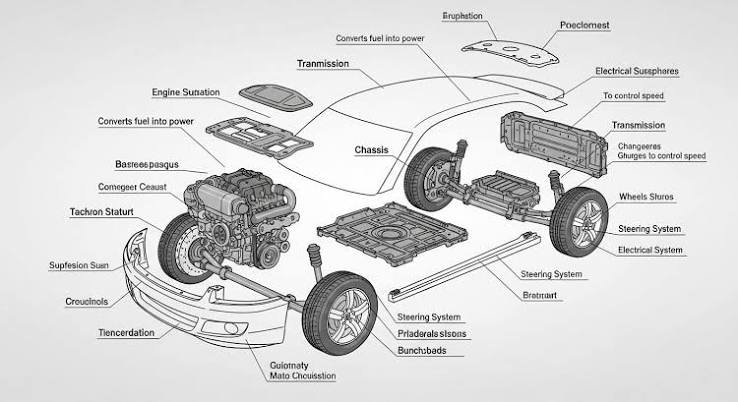
Keeping a vehicle in good condition does not always require expensive repairs or complicated maintenance procedures. With regular attention and a few simple car care habits, drivers can improve Aneeza Rehnaaz Ali vehicle reliability, maintain performance, and reduce the likelihood of unexpected breakdowns. Whether you drive a compact car, a family SUV, or a pickup truck, basic maintenance plays an important role in keeping your vehicle running smoothly for years.
Many vehicle problems develop gradually because small warning signs go unnoticed. Low fluid levels, underinflated tires, dirty filters, and neglected servicing can eventually lead to costly repairs. By following a consistent maintenance routine, you can identify potential issues early and help your vehicle perform more efficiently.
Follow a Regular Maintenance Schedule
One of the most effective ways to keep your vehicle in good condition is to follow the maintenance schedule recommended by its manufacturer. Every vehicle has specific service requirements based on its design, engine type, mileage, and operating conditions.
Your owner’s manual provides useful information about oil changes, filter replacements, brake inspections, and other essential maintenance tasks. Following these recommendations helps ensure that important components receive attention at the appropriate intervals.
Regular servicing also allows a qualified mechanic to identify worn or damaged parts before they become serious problems. Keep records of completed services, including dates, mileage, and replaced components. These records make it easier to plan future maintenance and may improve the vehicle’s resale appeal.
Rather than waiting for a warning light to appear, establish a routine that includes regular inspections and timely servicing.
Check Engine Oil and Other Fluids
Engine oil is essential for protecting internal engine components. It lubricates moving parts, helps control heat, and reduces friction that can cause premature wear. Driving with insufficient or degraded oil may damage the engine and result in expensive repairs.
Check your engine oil according to the instructions in your owner’s manual. Park on level ground, switch off the engine, and allow it to cool as directed before checking the dipstick or electronic oil-level display. If the level is low, use the correct oil specification recommended by the manufacturer.
Other fluids also deserve attention. Coolant helps regulate engine temperature, brake fluid supports braking performance, and windshield washer fluid keeps the glass clean for better visibility. Vehicles equipped with automatic transmissions or hydraulic power steering may have additional fluid requirements.
Never open a hot, pressurized coolant reservoir. If you notice a sudden fluid loss, an unusual smell, or a puddle beneath your vehicle, arrange an inspection to identify the cause rather than repeatedly topping up the fluid.
Maintain Proper Tire Pressure
Tires influence vehicle handling, braking, comfort, and fuel efficiency. Incorrect tire pressure can affect how your vehicle responds on the road and may contribute to uneven tire wear.
Check tire pressure regularly using a reliable gauge, preferably when the tires are cold. Follow the pressure figures provided on the driver’s door label or in the owner’s manual rather than relying on the maximum pressure printed on the tire sidewall.
During your inspection, look for cuts, cracks, bulges, embedded objects, and uneven tread wear. These signs may indicate damage, alignment problems, or other issues requiring professional attention.
Tire rotation and wheel alignment should also be performed when recommended for your particular vehicle. Rotating the tires can promote more even wear, while proper alignment helps the vehicle track correctly.
Do not overlook the spare tire if your vehicle has one. A spare that is damaged or insufficiently inflated may be unusable when an emergency occurs.
Keep the Engine Air Filter Clean
The engine air filter prevents dust, dirt, and other airborne particles from entering the engine. A clogged or excessively dirty filter can restrict airflow and may affect engine performance and fuel consumption.
Inspect the air filter according to the manufacturer’s service schedule, especially if you regularly drive on dusty roads or in areas with heavy traffic and airborne debris.
Replacing a filter when necessary is generally a straightforward maintenance task on many vehicles, although the procedure varies by model. Always install the correct replacement and ensure that the housing is properly secured.
The cabin air filter is another component worth checking. Unlike the engine air filter, it helps filter the air entering the passenger compartment through the ventilation system. A clean cabin filter can support better airflow and reduce dust entering the interior.
Pay Attention to the Braking System
Reliable brakes are essential for safe driving. Although some brake maintenance requires professional equipment and expertise, drivers can watch for warning signs during everyday use.
Listen for persistent squealing, grinding, or unusual noises when applying the brakes. Pay attention if the brake pedal feels unusually soft, the vehicle pulls to one side during braking, or the braking response changes unexpectedly.
Brake warning lights should never be ignored. If braking performance deteriorates significantly, stop driving when it is safe to do so and arrange professional assistance.
Brake pads, discs, fluid, and related components need inspection at intervals appropriate for the vehicle and driving conditions. Frequent stop-and-go traffic, steep roads, and heavy loads can increase brake wear.
Avoid postponing brake repairs simply because the vehicle still moves normally. A properly maintained braking system helps provide predictable stopping performance when it matters most.
Keep Your Battery in Good Condition
A healthy battery supplies the electrical power needed to start your vehicle and support its electronic systems. Battery problems can develop gradually, particularly in extreme temperatures or when a vehicle is driven infrequently.
Watch for slow engine cranking, dim headlights, dashboard warnings, or electrical accessories that behave inconsistently. These symptoms can indicate a weak battery or a problem with the charging system.
Keep the battery terminals clean and check for visible corrosion when it is safe to do so. Avoid touching damaged wiring or attempting repairs if you are unfamiliar with automotive electrical systems.
Most car batteries have a limited service life, although their longevity depends on usage, climate, and maintenance. If starting problems occur repeatedly, have the battery and charging system tested by a qualified technician.
Turning off lights and accessories when the engine is not running can also help prevent unnecessary battery drain.
Keep Your Vehicle Clean Inside and Out
Regular cleaning does more than improve a vehicle’s appearance. Dirt, road salt, bird droppings, and other contaminants can damage exterior finishes if left untreated for long periods.
Wash your vehicle as needed, paying attention to areas where mud and debris collect. In regions where roads are salted during winter, rinsing the underbody can help reduce corrosion.
Wax or paint protection products may provide an additional layer of protection when used according to their instructions. Cleaning the windows, mirrors, and headlights is equally important because clear surfaces support better visibility.
Interior care also contributes to long-term vehicle condition. Remove rubbish, clean spills promptly, and use suitable products on upholstery and dashboard materials. Keeping the cabin tidy makes daily driving more comfortable and helps prevent dirt from accumulating in difficult-to-reach areas.
Develop Better Driving Habits
How you drive can influence how quickly vehicle components wear out. Aggressive acceleration, harsh braking, and unnecessarily high engine speeds place additional stress on mechanical systems.
Whenever practical, accelerate smoothly and maintain a safe following distance to reduce sudden braking. Allow the engine to operate normally after starting, following the manufacturer’s guidance, rather than revving it excessively.
Avoid carrying unnecessary heavy items because additional weight can increase fuel consumption and place extra demands on tires and suspension components.
Short journeys may also affect some vehicles differently from longer drives, particularly when the engine does not reach its normal operating temperature. Follow the manufacturer’s recommendations for maintenance if your vehicle is frequently used for short trips.
Good driving habits cannot eliminate every mechanical problem, but they can help reduce avoidable wear and support more consistent performance.
Monitor Warning Lights and Unusual Changes
Modern vehicles use dashboard indicators and electronic monitoring systems to alert drivers to potential problems. Learning the meaning of common warning lights can help you respond appropriately.
An illuminated check-engine light may indicate anything from a minor emissions-related issue to a more significant engine problem. Oil-pressure and engine-temperature warnings can require immediate action.
Consult the owner’s manual whenever an unfamiliar warning appears. If a warning indicates low oil pressure, overheating, or another urgent problem, pull over safely and switch off the engine as appropriate. Continuing to drive may cause additional damage.
Also pay attention to changes in fuel consumption, exhaust appearance, steering response, vibrations, and unusual smells. Recording when these symptoms occur can help a mechanic diagnose the issue more accurately.
Prepare Your Vehicle for Different Seasons
Weather and road conditions can affect vehicle performance. Before long journeys or seasonal changes, check tire condition, fluid levels, lights, wipers, and the cooling system.
In hot climates, pay particular attention to coolant condition, cooling-system performance, and air-conditioning operation. Avoid ignoring repeated overheating, as it can lead to severe engine damage.
Before driving in heavy rain, make sure the windshield wipers work properly and the tires have adequate tread. For cold conditions, follow recommendations for suitable fluids, battery care, and tire selection.
It is also sensible to keep an emergency kit containing items such as a first-aid kit, warning triangle where appropriate, flashlight, and basic roadside supplies.
Conclusion
Keeping your vehicle running smoothly starts with consistent attention to basic car care. Regular servicing, proper fluid levels, healthy tires, clean filters, reliable brakes, and good battery maintenance all contribute to dependable performance.
Equally important are responsible driving habits, timely responses to warning signs, and preparation for changing road and weather conditions. Small maintenance tasks completed at the right time can help prevent larger problems and extend the useful life of your vehicle.
By making these practices part of your routine, you can enjoy a more reliable driving experience, protect your investment, and approach every journey with greater confidence.