

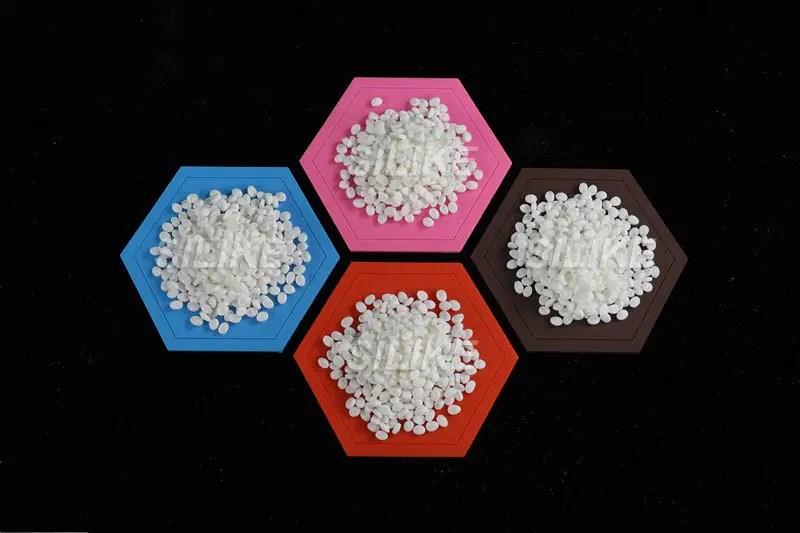
Polypropylene (PP) is one of the most widely used thermoplastic materials in modern manufacturing. Its versatility, lightweight properties, chemical resistance, and cost-effectiveness make it suitable for packaging, automotive components, household products, electrical equipment, and industrial applications. However, manufacturers often face challenges related to surface quality, friction, abrasion, and processing efficiency. These challenges can affect the appearance, durability, and overall performance of finished products. PP Silicone Masterbatch offers an effective solution for addressing many of these concerns.
By incorporating specialized silicone-based additives into polypropylene materials, manufacturers can improve surface characteristics, reduce friction, enhance wear resistance, and achieve more consistent product quality. As industries increasingly demand high-performance plastic products, silicone masterbatch technology has become an important consideration for improving manufacturing processes and final product properties.
Understanding PP Silicone Masterbatch
PP Silicone Masterbatch is a concentrated additive formulation designed to improve the performance and processing characteristics of polypropylene-based products. It typically contains silicone-based functional ingredients dispersed in a compatible polymer carrier. Manufacturers introduce this masterbatch into polypropylene during compounding or plastic processing.
The silicone components help modify the surface behavior of the finished material. Depending on the formulation and dosage, they can reduce friction, improve scratch resistance, support smoother surfaces, and enhance the overall processing experience.
Unlike conventional additives that primarily focus on coloring or stabilizing plastics, silicone masterbatch formulations can provide multiple functional benefits. They are particularly useful in applications where surface appearance, durability, and smooth material flow are important.
Improving Surface Finish and Appearance
Surface finish is an important quality factor in plastic manufacturing. Products with uneven textures, visible scratches, rough surfaces, or inconsistent appearances may fail to meet customer expectations. In industries such as automotive manufacturing, consumer electronics, and household goods, even minor surface imperfections can influence perceived product quality.
PP Silicone Masterbatch helps improve surface characteristics by modifying friction and surface behavior. Silicone-based ingredients can promote smoother interactions between plastic surfaces and external materials, reducing the likelihood of friction-related defects.
A better surface finish can provide several advantages:
- Improved smoothness and surface consistency.
- Reduced surface friction during product handling.
- Better resistance to scratches and abrasion.
- Enhanced visual appearance of finished components.
- More consistent quality across production batches.
These improvements are valuable for manufacturers producing visible plastic components, packaging materials, and consumer products that require attractive and reliable finishes.
Enhancing Wear and Abrasion Resistance
Plastic products frequently experience friction during manufacturing, transportation, installation, and everyday use. Repeated contact with other surfaces can gradually create scratches, scuff marks, and visible wear.
Wear resistance is particularly important for automotive interior components, industrial plastic parts, furniture accessories, and household products. PP Silicone Masterbatch can help reduce friction between contacting surfaces, limiting the mechanical stress associated with repeated movement.
Silicone-based additives can create beneficial surface characteristics that support improved abrasion performance. Although the final results depend on the formulation, polymer composition, processing conditions, and application requirements, the technology can contribute to longer-lasting products.
Manufacturers benefit from improved durability because products can maintain their appearance and functional performance for longer periods. This can reduce quality complaints, improve customer satisfaction, and support the production of more reliable plastic components.
Reducing Friction and Improving Processing Efficiency
Friction affects both the manufacturing process and the performance of finished polypropylene products. Excessive friction can contribute to processing difficulties, material buildup, inconsistent flow, and increased wear on equipment.
PP Silicone Masterbatch is commonly considered when manufacturers want to improve the flow and surface characteristics of polypropylene compounds.
Its silicone-based components can help reduce friction between polymer surfaces and processing equipment, depending on the formulation and application. This can support smoother material movement during extrusion, injection molding, and other plastic conversion processes.
Potential processing benefits include:
- Improved material flow during production.
- Reduced friction in processing equipment.
- More consistent product surfaces.
- Better release characteristics in suitable applications.
- Improved production stability.
These advantages can help manufacturers optimize production operations while maintaining the required physical and visual properties of finished products.
Applications Across Different Industries
The versatility of PP Silicone Masterbatch makes it suitable for several manufacturing sectors. Its performance benefits can support applications where polypropylene products require improved surface quality, reduced friction, or greater durability.
Automotive Components
The automotive industry uses polypropylene in dashboards, interior trims, door panels, storage compartments, protective covers, and various molded components.
These parts must maintain an attractive appearance while handling regular contact, movement, and environmental exposure. Silicone masterbatch can help improve surface smoothness and reduce friction-related wear, supporting better-quality automotive components.
Packaging Industry
Polypropylene is widely used in flexible packaging, containers, caps, closures, films, and other packaging products.
Smooth processing and reliable surface characteristics are important for packaging manufacturers. PP Silicone Masterbatch can help improve material handling and surface properties in suitable formulations, supporting consistent production and product performance.
Household Products
Many everyday household items are manufactured using polypropylene. Storage containers, kitchen accessories, furniture components, organizers, and appliance parts are common examples.
These products benefit from attractive finishes, durability, and resistance to everyday handling. Incorporating silicone-based additives can help manufacturers improve selected surface and friction properties.
Industrial Applications
Industrial plastic components often operate in environments involving repeated contact, sliding movement, and mechanical stress.
PP Silicone Masterbatch can support the development of components with improved surface performance. Its application may be particularly beneficial in parts where lower friction and reduced surface wear are important design considerations.
Supporting Consistent Product Quality
Maintaining consistent product quality is one of the biggest challenges in plastic manufacturing. Differences in raw materials, processing temperatures, equipment settings, and additive distribution can influence the final appearance and performance of polypropylene products.
A properly formulated PP Silicone Masterbatch can help manufacturers achieve more predictable surface characteristics when used under controlled processing conditions.
Consistency is important because customers expect every production batch to meet established specifications. Manufacturers must therefore evaluate additive compatibility, dispersion quality, dosage levels, and processing parameters.
Working with a reliable masterbatch supplier can help businesses identify suitable formulations for their applications. Technical support and product testing also play important roles in achieving repeatable results.
Selecting the Right PP Silicone Masterbatch
Choosing an appropriate formulation requires consideration of the intended application and the performance improvements needed.
Manufacturers should evaluate several important factors before selecting a product.
Polymer Compatibility
The carrier resin and silicone formulation should be compatible with the polypropylene material being processed. Good compatibility helps support uniform dispersion and reliable performance.
Recommended Dosage
The appropriate addition rate depends on the concentration of active silicone ingredients and the required performance characteristics. Manufacturers should follow supplier recommendations and conduct preliminary trials before full-scale production.
Processing Conditions
Different manufacturing processes require different operating conditions. Extrusion, injection molding, and film production may respond differently to silicone additives.
Testing under actual production conditions helps determine whether the selected formulation delivers the desired results.
Final Product Requirements
Manufacturers should identify whether their primary objective is improved surface finish, reduced friction, better abrasion resistance, processing stability, or a combination of these benefits.
Clear performance requirements make it easier to select a suitable masterbatch formulation.
Quality Control and Testing Considerations
Quality control is essential when introducing new additives into polypropylene manufacturing. Testing helps verify that the selected PP Silicone Masterbatch performs as expected without negatively affecting other important material properties.
Common evaluation methods include surface roughness measurements, coefficient of friction testing, abrasion resistance assessments, and visual inspection.
Manufacturers may also evaluate tensile strength, impact resistance, melt flow characteristics, and dimensional stability to ensure that the additive does not compromise the overall performance of the polymer.
Comparing samples produced with and without the masterbatch can provide useful information about its effectiveness. Testing should reflect actual product requirements rather than relying exclusively on general performance claims.
The Future of Silicone Masterbatch Technology
Plastic manufacturers are continuously searching for ways to improve product performance while maintaining efficient production operations. Advances in additive technology are creating opportunities to develop more specialized masterbatch formulations for different polymer applications.
Future developments in PP Silicone Masterbatch may focus on improved dispersion, optimized silicone concentrations, enhanced compatibility, and multifunctional performance.
Manufacturers are also paying greater attention to material efficiency, waste reduction, and production consistency. Additives that help improve processing reliability and extend product service life may contribute to these broader manufacturing objectives.
As customer expectations increase, the demand for polypropylene products with better surface quality and durability is likely to encourage further innovation in silicone-based additive solutions.
Conclusion
PP Silicone Masterbatch plays an important role in improving the surface characteristics, wear resistance, and processing performance of polypropylene products. By reducing friction and supporting smoother surface properties, it can help manufacturers produce more attractive, durable, and consistent plastic components.
Its applications across automotive manufacturing, packaging, household products, and industrial sectors demonstrate its versatility. However, achieving the best results requires selecting a compatible formulation, maintaining the recommended dosage, and conducting appropriate performance testing.
For manufacturers seeking to improve product quality and optimize polypropylene processing, PP Silicone Masterbatch offers a practical additive solution. With proper formulation and application, it can support better surface finishes, improved durability, and more reliable manufacturing outcomes.