

Shopping, Groceries, and Banking — The Practical Infrastructure of Island Life
Beyond the skyline, beyond the Broadway marquees and the Michelin stars, there is another Manhattan — the Manhattan of daily necessities. The department stores where families buy school supplies. The grocery stores where apartment dwellers stock their refrigerators. The banks where paychecks are deposited and mortgages are managed. This is the practical infrastructure that makes island life possible, and it deserves as much attention as any cultural landmark.
Living in Manhattan is an exercise in logistics. With an average apartment size under 700 square feet and limited car ownership, residents must navigate a commercial landscape where every errand requires planning, walking, and often waiting in line. Understanding where to find the best department stores, the most reliable grocery stores, and the most convenient banking services is not a matter of luxury — it is a matter of survival.
A comprehensive Manhattan business directory serves as the essential tool for navigating this practical landscape. Let us explore each element of Manhattan’s daily infrastructure in detail.
Department Stores: More Than Shopping
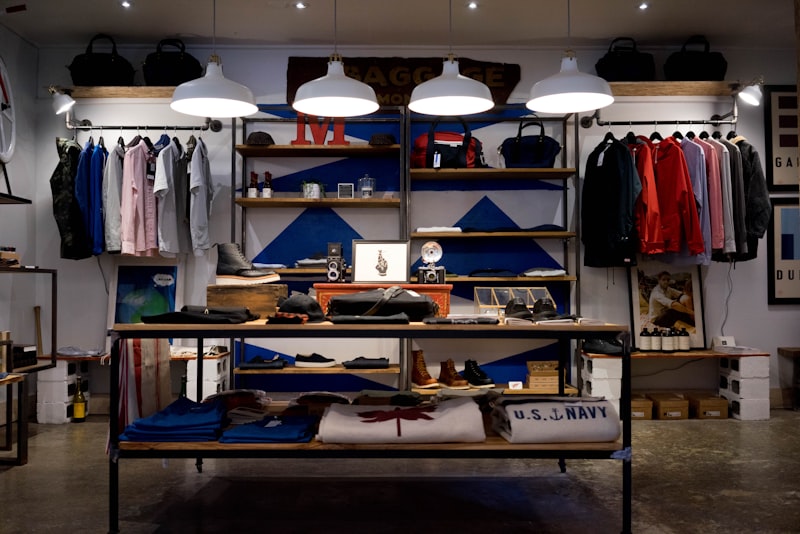
Manhattan’s department stores occupy a position in the city’s cultural landscape that is difficult to overstate. They are not merely retail establishments — they are civic institutions, as much a part of Manhattan’s identity as its museums, parks, and bridges. The tradition of the great department store dates back to the 19th century, when establishments like Macy’s, Bloomingdale’s, and Lord & Taylor transformed shopping from a transactional necessity into a social and cultural experience.
The department stores operating in Manhattan today range from the globally iconic to the locally beloved. Macy’s Herald Square remains the world’s largest department store by floor space, a ten-story monument to American retail that draws over 20 million visitors annually. Its Thanksgiving Day Parade and holiday window displays are among the most recognized cultural traditions in the country.
Bloomingdale’s on 59th Street and Lexington Avenue represents a different tradition — more fashion-forward, more oriented toward the contemporary, and more closely tied to the Upper East Side lifestyle that defines a certain stratum of Manhattan society. Its Little Brown Bag is one of the most recognized shopping bags in the world.
The Modern Department Store
The department store model is under pressure everywhere, but Manhattan’s versions have responded with creativity and reinvention. The most successful have transformed themselves from product warehouses into experience platforms — spaces where shopping, dining, entertainment, and community events coexist under a single roof.
In-store restaurants, pop-up collaborations with emerging designers, personal styling services, and beauty treatment counters have all become standard features of the Manhattan department store experience. The goal is no longer simply to sell merchandise — it is to create a reason for people to visit, stay, and return in an era when online shopping has eliminated the friction that once drove people to physical stores.
The Manhattan department store’s survival depends on offering what the internet cannot: human connection, sensory experience, and the irreplaceable pleasure of discovering something beautiful in a space designed to inspire.
Grocery Stores: Feeding the Island
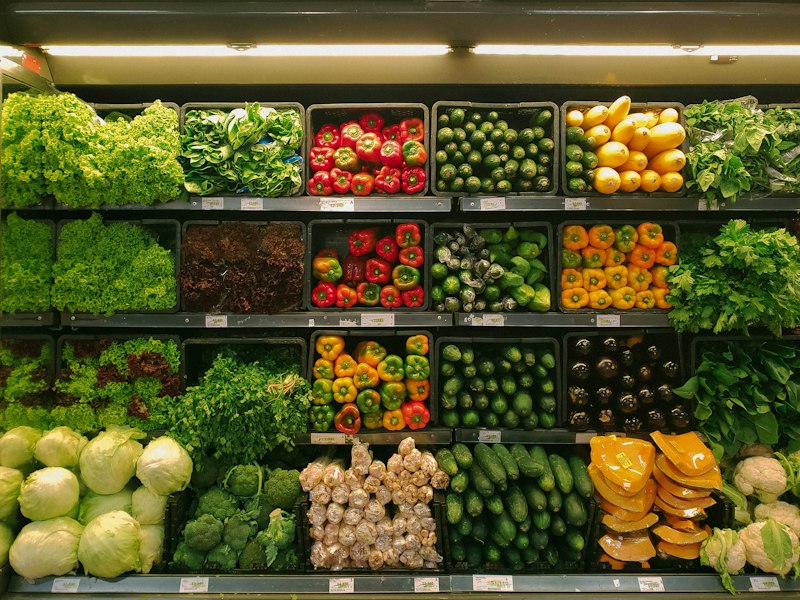
Feeding 1.6 million residents and hundreds of thousands of daily workers is a logistical operation of staggering complexity. Manhattan’s grocery infrastructure — from the massive supermarkets to the corner bodegas, from the specialty markets to the farmers’ markets — represents one of the most sophisticated urban food distribution systems in the world.
The grocery stores across Manhattan serve a remarkably diverse population with equally diverse needs. The island’s grocery landscape includes:
- Full-service supermarkets — Chains like Whole Foods, Trader Joe’s, and Fairway offer comprehensive grocery shopping under one roof. These stores are destinations, not convenience stops — Manhattanites plan their supermarket visits, often traveling across neighborhoods to reach their preferred store.
- Specialty markets — Stores like Zabar’s on the Upper West Side, Eataly near Madison Square Park, and Kalustyan’s in Curry Hill offer curated selections of specialty products that larger stores cannot match. These markets are cultural institutions as much as commercial ones.
- Bodegas — The corner bodega is the most fundamental unit of Manhattan’s grocery infrastructure. Open late, stocked with essentials, and operated by owners who know their regulars by name, bodegas provide the convenience and community that larger stores cannot replicate.
- Farmers’ markets — The city’s Greenmarket program operates dozens of farmers’ markets across Manhattan, connecting residents directly with regional farmers. The Union Square Greenmarket, operating four days a week, is among the most celebrated farmers’ markets in the world.
The Grocery Challenge
Grocery shopping in Manhattan presents unique challenges that residents of less dense cities rarely face. Limited storage space in small apartments means that most Manhattanites shop for groceries multiple times per week rather than making a single large weekly trip. Elevators and walk-up stairs make transporting heavy bags physically demanding. And premium pricing — driven by high commercial rents and logistics costs — means that even basic groceries cost more in Manhattan than in most of the country.
These challenges have driven innovation. Grocery delivery services have proliferated, with platforms like FreshDirect, Instacart, and Amazon Fresh capturing a significant share of Manhattan’s grocery market. The rise of meal kit services — which deliver pre-portioned ingredients and recipes directly to customers’ doors — reflects the same pressure: Manhattanites need food solutions that are compatible with their small kitchens, limited storage, and demanding schedules.
Banking: The Financial Infrastructure
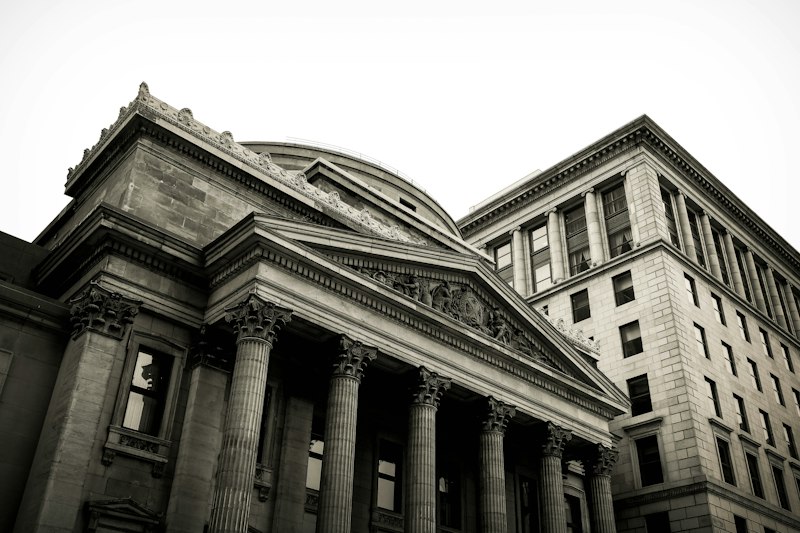
Manhattan is, quite literally, the financial capital of the world. The New York Stock Exchange, the Federal Reserve Bank, and the headquarters of JPMorgan Chase, Citigroup, and Goldman Sachs are all located here. But for most Manhattanites, the banking experience is not defined by Wall Street — it is defined by the neighborhood branches and digital platforms that manage their daily financial lives.
The banking options available across Manhattan reflect the full spectrum of modern financial services. Major national banks — Chase, Bank of America, Wells Fargo, and Citi — maintain extensive branch networks across the island, with Chase alone operating over 100 Manhattan locations. These branches provide the full range of services: checking and savings accounts, mortgages, investment products, and business banking.
But the Manhattan banking landscape extends far beyond the national chains. Community banks and credit unions serve specific neighborhoods and populations, often offering more personalized service and more favorable terms than their larger competitors. Institutions like Apple Bank, Amalgamated Bank, and various credit unions serve communities ranging from the Upper West Side to Chinatown, providing financial services that are tailored to the specific needs of their customer base.
Digital Banking and Fintech
Manhattan’s tech-savvy population has embraced digital banking at rates that exceed the national average. Mobile-first banks like Chime, SoFi, and Ally have captured significant market share among younger Manhattanites who rarely visit physical branches. The fintech sector — payment platforms, investment apps, budgeting tools — has a strong Manhattan presence, with many of these companies headquartered on the island.
Yet physical branches have not disappeared. For significant financial decisions — mortgage applications, business loan negotiations, investment consultations — many Manhattanites still prefer the face-to-face interaction that a physical branch provides. The banks that serve Manhattan most effectively are those that offer seamless integration between digital convenience and personal service.
Manhattan’s essential services — shopping, groceries, banking — may lack the glamour of the island’s cultural offerings, but they are the foundation upon which everything else is built. Without them, the skyscrapers are just empty towers.
The Connected Infrastructure
What makes Manhattan’s essential services work is their interconnection. A department store that houses a grocery section on its lower floors. A bank branch located inside a supermarket. A clothing store that accepts mobile payments processed by a fintech company headquartered three blocks away. These connections create an infrastructure that is greater than the sum of its parts.
For residents and visitors navigating this landscape, the Manhattan business directory provides the comprehensive, up-to-date information needed to find the department stores, grocery stores, and banks that match their needs and location. In a city where time is the scarcest resource, having this information readily available is not a convenience — it is a necessity.
Manhattan’s essential infrastructure is a reminder that great cities are built not just on ambition and culture, but on the mundane, reliable, everyday systems that keep people fed, clothed, sheltered, and financially secure. The skyline is spectacular, but the corner bodega, the neighborhood bank branch, and the local grocery store are what make the island livable.
Building a Practical Manhattan Routine
The everyday side of Manhattan is built from repeatable errands. A resident may need groceries, banking, pharmacy access, household goods, and a reliable department store within a manageable radius. A visitor may need many of the same things for a shorter period: a place to buy essentials, replace a missing item, withdraw cash, or solve a practical problem without losing the day.
That is why department stores, grocery stores, and banks still matter in a city often described through restaurants, museums, and skyline views. They make the city usable. When these services are easy to find, Manhattan feels efficient. When they are hard to locate, even a short stay can become frustrating.
Choosing by Neighborhood Instead of Brand Alone
Brand recognition can help, but neighborhood fit is often more important. A grocery store near an office corridor may be designed for prepared meals and quick purchases. A residential neighborhood market may carry more household staples. A bank branch near a tourist zone may handle basic transactions efficiently, while a branch near a business corridor may be better prepared for commercial needs.
Department stores also vary by purpose. Some are best for luxury purchases, some for practical basics, some for beauty and accessories, and some for tourists who want a landmark shopping experience. Choosing the right one depends on the errand, not just the name on the building.
Why Essentials Shape the Visitor Experience
Visitors often remember whether a city was easy to navigate. Finding a simple grocery item, a replacement charger, a bank branch, or a dependable store can change the tone of a trip. Manhattan’s density means those options usually exist nearby, but they are easier to use when organized information points people in the right direction.
Essentials for New Residents
New residents quickly learn that Manhattan living depends on small routines. The nearest grocery store may not be the best one for every purchase. The closest bank branch may be useful for basic transactions but not for business services. A department store may solve problems that would require several separate errands elsewhere. Learning these patterns early makes daily life feel less expensive in time and energy.
It is useful to build a personal map of essentials during the first weeks in a neighborhood. Identify the quick grocery option, the better-stocked market, the nearest banking option, the place for household items, and the most reliable store for clothing or personal needs. Once those basics are known, Manhattan becomes much easier to manage.
Essentials for Visitors and Business Travelers
Visitors and business travelers need a different version of the same map. They may need to replace luggage items, buy weather-appropriate clothing, find a bank, pick up groceries for a hotel room, or solve a small problem between meetings. The value of a directory is that it shortens the time between need and solution.
This practical layer of Manhattan rarely appears in travel stories, but it shapes the real experience. A city feels welcoming when basic needs are easy to solve. It feels stressful when every small errand becomes a search. Manhattan has the resources; organized information makes those resources easier to use.
The Practical Side of a High-Density City
Manhattan’s density is valuable only when people can use it. A resident who knows where to buy groceries, handle banking, and solve shopping needs nearby experiences the city very differently from someone who must search from scratch every time. The same is true for visitors. Practical information turns density into convenience.
Essentials may not be glamorous, but they are part of the reason Manhattan works. Department stores, grocery stores, and banks support the ordinary routines behind work, travel, family life, and neighborhood stability. They are the quiet infrastructure that makes the island livable.