

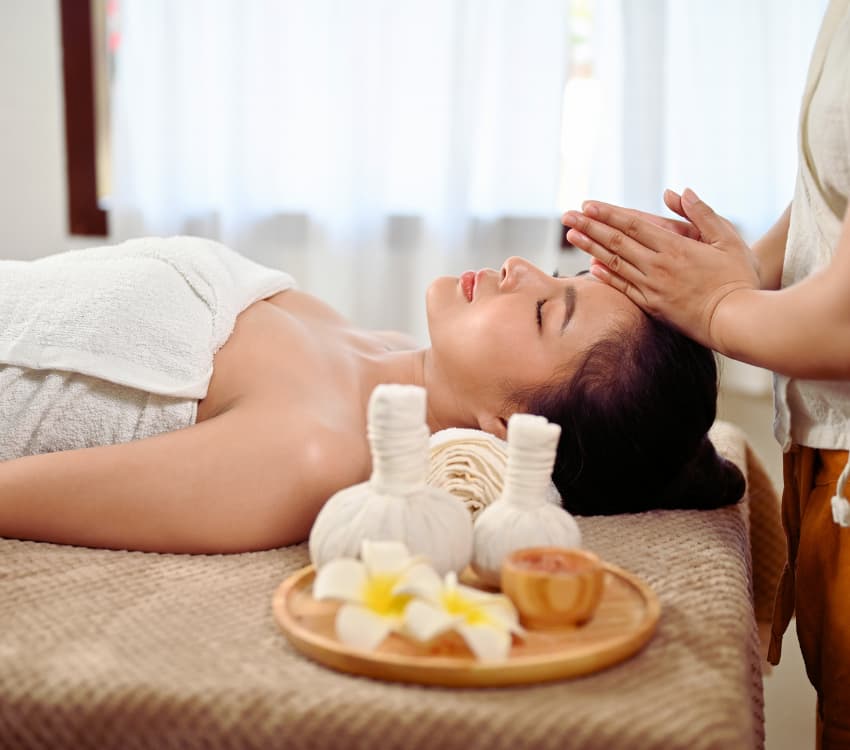
Healthy Thai massage has become one of the most popular wellness practices for people seeking natural ways to improve both physical and mental health. Originating in Thailand centuries ago, this unique form of bodywork combines stretching, acupressure, rhythmic movements, and mindful breathing to promote relaxation and overall wellness. Unlike conventional massage therapies that mainly focus on muscles, healthy Thai massage works on the entire body, helping to restore balance, increase flexibility, and support emotional well-being.
As modern lifestyles become increasingly stressful, more individuals are turning to healthy Thai massage to relieve tension, reduce discomfort, and enhance their quality of life. Understanding the techniques behind this ancient practice can help people appreciate its many benefits and incorporate it into their wellness routines.
Understanding Healthy Thai Massage
Healthy Thai massage is often described as a combination of yoga, acupressure, and assisted stretching. During a session, a therapist uses their hands, elbows, knees, and feet to apply pressure along specific energy pathways throughout the body. These pathways, known as “Sen lines,” are believed to influence physical and mental health.
Unlike oil-based massage treatments, healthy Thai massage is typically performed on a comfortable mat while the client remains fully clothed. The therapist gently guides the body through various stretches while applying pressure to release tension and improve energy flow.
The goal of healthy Thai massage is not only to relax the body but also to create harmony between the mind and physical health. This holistic approach makes it an effective wellness practice for people of all ages.
Acupressure Techniques for Stress Relief
One of the most important aspects of healthy Thai massage is acupressure. Therapists apply firm but controlled pressure to specific points on the body. These points correspond to energy pathways that may become blocked due to stress, fatigue, or physical strain.
Acupressure techniques used in healthy Thai massage can help:
Reduce Muscle Tension
Pressure applied to targeted areas helps relax tight muscles and relieve discomfort caused by prolonged sitting, repetitive movements, or physical exertion.
Improve Circulation
Stimulating pressure points encourages better blood flow throughout the body. Improved circulation delivers oxygen and nutrients to tissues while supporting natural healing processes.
Promote Relaxation
Acupressure helps calm the nervous system, reducing feelings of anxiety and promoting a sense of inner peace.
Regular healthy Thai massage sessions that include acupressure can contribute to improved physical comfort and emotional balance.
Assisted Stretching for Greater Flexibility
A defining characteristic of healthy Thai massage is its use of assisted stretching. Therapists carefully move the client’s body through a series of yoga-inspired stretches designed to improve mobility and flexibility.
Enhancing Joint Movement
Stretching helps increase the range of motion in joints, making everyday activities easier and more comfortable.
Reducing Muscle Stiffness
Many people experience stiffness due to sedentary lifestyles. Healthy Thai massage stretches help lengthen muscles and release accumulated tension.
Supporting Athletic Performance
Athletes and physically active individuals often use healthy Thai massage to improve flexibility, reduce recovery time, and maintain optimal body function.
The stretching techniques used in healthy Thai massage provide both immediate and long-term benefits for physical well-being.
Energy Line Stimulation for Balance
Traditional Thai healing practices emphasize the importance of balanced energy flow. Healthy Thai massage incorporates techniques that stimulate the body’s energy lines to restore harmony.
Encouraging Natural Energy Flow
By applying pressure along Sen lines, therapists aim to remove blockages that may contribute to fatigue or discomfort.
Increasing Vitality
Many individuals report feeling refreshed and energized after a healthy Thai massage session. Improved energy flow may contribute to greater alertness and reduced feelings of exhaustion.
Supporting Holistic Wellness
Energy line stimulation addresses the interconnected nature of physical and mental health, making healthy Thai massage a comprehensive wellness therapy.
Rhythmic Compression Techniques
Another essential component of healthy Thai massage is rhythmic compression. This technique involves applying gentle, repetitive pressure to muscles and soft tissues.
Improving Blood Circulation
Rhythmic compression encourages healthy blood flow throughout the body, helping to nourish tissues and support recovery.
Relieving Physical Fatigue
The repetitive movements help relax overworked muscles and reduce physical strain.
Enhancing Relaxation
The rhythmic nature of the technique promotes a calming effect that can help reduce stress and encourage mental clarity.
These benefits make rhythmic compression a valuable element of healthy Thai massage for individuals seeking both physical and emotional relief.
Breathing and Mindfulness Integration
Healthy Thai massage often incorporates mindful breathing practices that complement physical techniques.
Encouraging Deep Relaxation
Slow, controlled breathing helps activate the body’s relaxation response and reduce stress hormones.
Improving Mental Focus
Mindful breathing encourages individuals to remain present during the session, enhancing mental clarity and emotional stability.
Supporting Emotional Well-Being
Combining breath awareness with healthy Thai massage techniques creates a meditative experience that can help alleviate anxiety and promote positive emotions.
This integration of mindfulness distinguishes healthy Thai massage from many other forms of bodywork.
Mental Health Benefits of Healthy Thai Massage
The impact of healthy Thai massage extends beyond physical wellness. Many people experience significant mental and emotional improvements following regular sessions.
Reducing Stress Levels
Healthy Thai massage helps lower stress by relaxing the nervous system and encouraging deep physical relaxation.
Improving Mood
The release of muscle tension and improved circulation can contribute to feelings of happiness and well-being.
Supporting Better Sleep
Many individuals find that healthy Thai massage helps improve sleep quality by reducing physical discomfort and calming the mind.
Enhancing Emotional Balance
Regular sessions can help individuals manage daily pressures more effectively, leading to greater emotional resilience.
These mental health benefits make healthy Thai massage an excellent addition to a balanced wellness routine.
Who Can Benefit from Healthy Thai Massage?
Healthy Thai massage is suitable for a wide variety of individuals, including:
Office Workers
People who spend long hours sitting often experience muscle tightness and poor posture. Healthy Thai massage can help address these issues.
Athletes
Athletes benefit from improved flexibility, faster recovery, and enhanced physical performance.
Older Adults
Gentle healthy Thai massage techniques can help maintain mobility and support overall wellness.
Individuals Experiencing Stress
Anyone dealing with mental or emotional stress may find relaxation and comfort through regular healthy Thai massage sessions.
Conclusion
Healthy Thai massage is a powerful wellness practice that supports both physical and mental well-being. Through a combination of acupressure, assisted stretching, energy line stimulation, rhythmic compression, and mindful breathing, it offers a holistic approach to health that addresses the body and mind simultaneously. Whether the goal is improved flexibility, reduced stress, better circulation, or enhanced emotional balance, healthy Thai massage provides numerous benefits that can contribute to a healthier and more fulfilling lifestyle. As more people seek natural ways to improve their overall wellness, healthy Thai massage continues to stand out as an effective and time-tested therapeutic practice.