

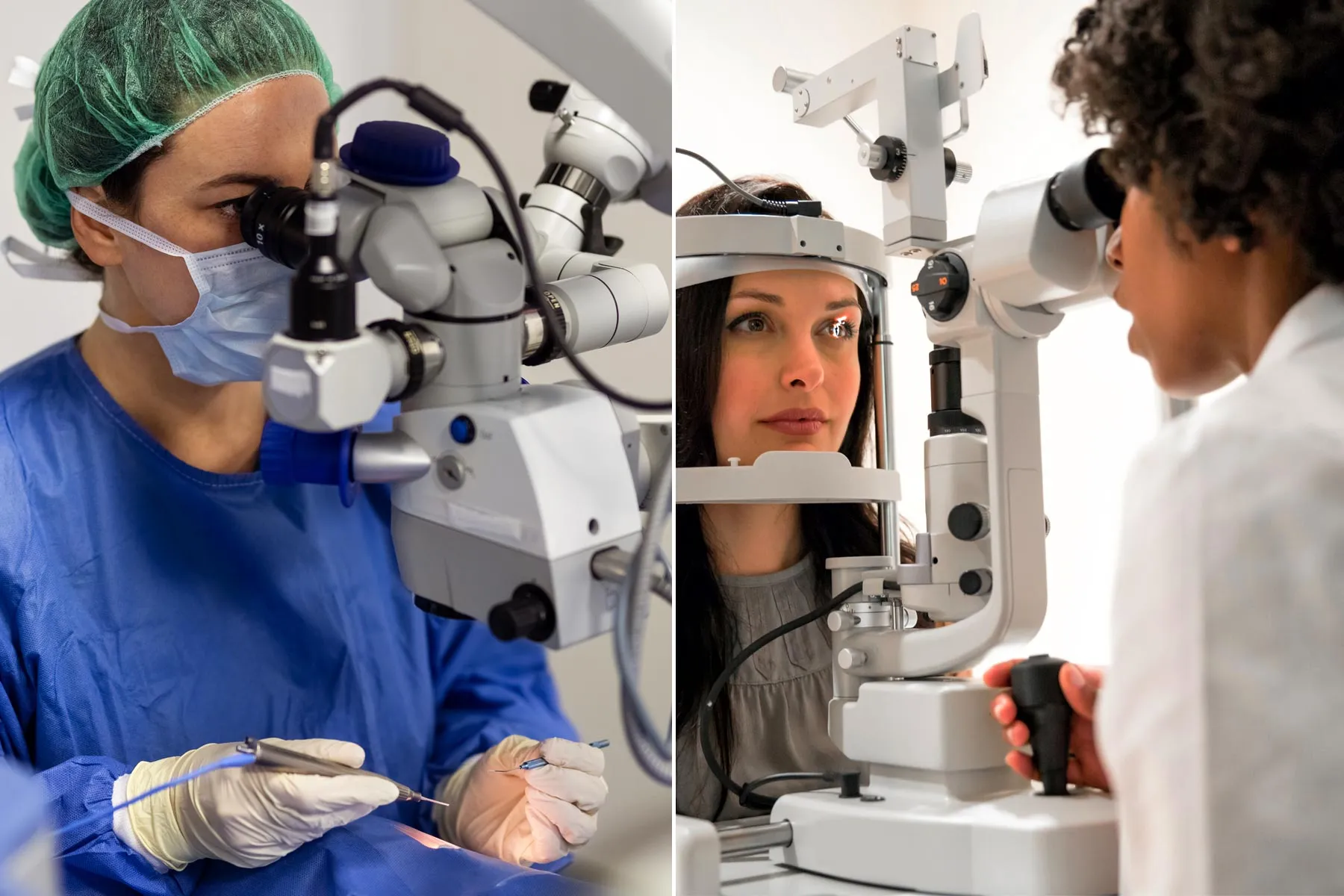
Cataract surgery is one of the most common and successful procedures for improving vision affected by cataracts. However, choosing the right surgeon is an important decision because the surgeon’s experience, approach, technology, and communication can all influence your overall treatment experience. If you are considering cataract surgery Pretoria, taking time to evaluate your options can help you feel more confident before your procedure.
Understand Your Cataract Treatment Needs
Before selecting a surgeon, it is helpful to understand your individual vision concerns and treatment requirements. Cataracts can develop gradually and may cause cloudy vision, glare around lights, difficulty seeing at night, faded colours, or frequent changes in prescription glasses. A comprehensive eye examination allows an ophthalmologist to determine the severity of the cataract and assess the overall health of your eyes.
Not every patient has exactly the same surgical needs. Factors such as age, eye health, lifestyle, existing vision conditions, and personal expectations may influence the recommended treatment. During your consultation, ask the surgeon to explain your diagnosis and the available treatment options in straightforward language.
Look for Appropriate Qualifications and Experience
When choosing a cataract surgeon Pretoria, qualifications and professional experience should be among your most important considerations. Cataract surgery requires specialised ophthalmic knowledge and careful surgical technique. An experienced surgeon should have appropriate medical and ophthalmology training and regularly perform cataract procedures.
Experience can also be particularly valuable when unexpected issues arise during treatment. Ask how frequently the surgeon performs cataract surgery and whether they have experience treating patients with different types of cataracts or additional eye conditions.
Rather than choosing a surgeon based solely on years of practice, consider the combination of relevant training, surgical experience, continuing professional development, and commitment to modern eye-care practices.
Ask About the Surgical Technology Used
Modern cataract treatment involves sophisticated diagnostic and surgical technology. During your consultation, ask what equipment is used to evaluate your eyes and perform the procedure. Advanced diagnostic tools can help the surgeon measure the eye accurately and develop an appropriate treatment plan.
Technology can also assist with selecting an intraocular lens, commonly called an IOL. The appropriate lens depends on several factors, including the patient’s eye measurements, visual needs, lifestyle, and desired level of independence from glasses.
A good surgeon should explain why a particular lens or surgical approach may be suitable for you rather than simply recommending an option without discussion.
Discuss Intraocular Lens Options
One of the most important decisions during cataract treatment is selecting the intraocular lens that replaces the cloudy natural lens. Different IOL options can provide different visual outcomes.
Some lenses are designed primarily to provide clear distance vision, while other advanced options may provide a broader range of vision. However, not every lens is suitable for every patient. The health of the eye, cornea, retina, lifestyle, and visual expectations must all be considered.
Ask your surgeon about the advantages and limitations of each suitable lens option. It is also important to discuss whether you may still need glasses for certain activities after surgery. Having realistic expectations is an essential part of a successful treatment experience.
Evaluate the Consultation Experience
Your consultation can reveal a great deal about how a surgeon approaches patient care. A good consultation should provide enough time for you to ask questions and understand your diagnosis, treatment choices, potential risks, and recovery process.
Pay attention to whether the surgeon listens carefully to your concerns. You should feel comfortable discussing issues such as night driving, reading, computer use, hobbies, or other activities that are important to your daily life.
Clear communication is especially important because cataract surgery is not simply about removing a cloudy lens. It is also an opportunity to plan for your future visual needs.
Ask About Risks and Recovery
Although cataract surgery has a strong safety record, every surgical procedure carries potential risks. A responsible surgeon should discuss these risks with you before treatment. Do not hesitate to ask what complications can occur, how frequently they occur, and what measures are taken to reduce them.
You should also understand what recovery involves. Ask when you can return to normal activities, how you should use prescribed eye drops, when follow-up appointments will occur, and which symptoms require urgent attention.
Knowing what to expect can make the recovery period less stressful and help you follow your postoperative instructions correctly.
Consider the Quality of the Surgical Facility
The surgeon is important, but the facility where the procedure takes place also deserves consideration. Ask whether the surgical centre has appropriate equipment, trained staff, established safety procedures, and suitable postoperative support.
A well-organised facility should provide clear instructions before and after surgery. You should know where to go, what preparation is required, what you should bring, and whom to contact if you experience concerns after the procedure.
Convenience can matter as well. A facility that is reasonably accessible for consultations and follow-up appointments may make the overall treatment process easier.
Read Reviews Carefully
Online reviews can provide useful insight into patient experiences, but they should not be the only factor determining your choice. Look for consistent comments about communication, professionalism, staff support, appointment experiences, and postoperative care.
Be cautious about making a decision based on a single extremely positive or negative review. Instead, consider broader patterns and combine online feedback with professional qualifications, consultation quality, and information provided directly by the surgeon.
Personal recommendations from trusted family members, friends, or healthcare professionals may also help you identify reputable options.
Compare Costs and What Is Included
Cost is naturally an important consideration when planning cataract treatment. However, choosing the cheapest option may not always represent the best overall value. Ask for a clear explanation of the fees and what they include.
Find out whether the quoted price covers the surgical procedure, surgeon’s fees, facility charges, diagnostic examinations, intraocular lens, medications, and follow-up appointments. Understanding the complete cost can help you avoid unexpected expenses.
If you have medical insurance or another form of healthcare coverage, ask what portion of your treatment may be covered and whether particular lenses or services involve additional costs.
Make an Informed Decision
Choosing the right surgeon should be based on more than advertising or convenience. Consider qualifications, experience, technology, communication, treatment options, facility standards, postoperative care, and your personal comfort level.
A strong surgeon-patient relationship begins with trust and clear communication. You should feel that your questions are welcomed and that treatment recommendations are based on your individual needs rather than a one-size-fits-all approach.
If you are researching cataract surgery Pretoria, arranging consultations with qualified ophthalmologists can help you compare treatment approaches and understand which option is appropriate for your eyes. Take notes during each consultation and prepare a list of questions beforehand.
Prepare for Better Vision With the Right Choice
Cataract treatment can make a significant difference to everyday vision and quality of life. Selecting an experienced and trustworthy cataract surgeon is an important part of that journey. By researching qualifications, discussing lens choices, understanding the surgical process, reviewing potential risks, and evaluating the quality of care provided, you can make a more informed decision.
The right surgeon should not only have appropriate technical expertise but should also take the time to understand your expectations and explain your treatment clearly. With careful research and a thorough consultation, patients considering cataract surgery Pretoria can approach their procedure with greater knowledge, realistic expectations, and confidence in their chosen eye-care professional.