

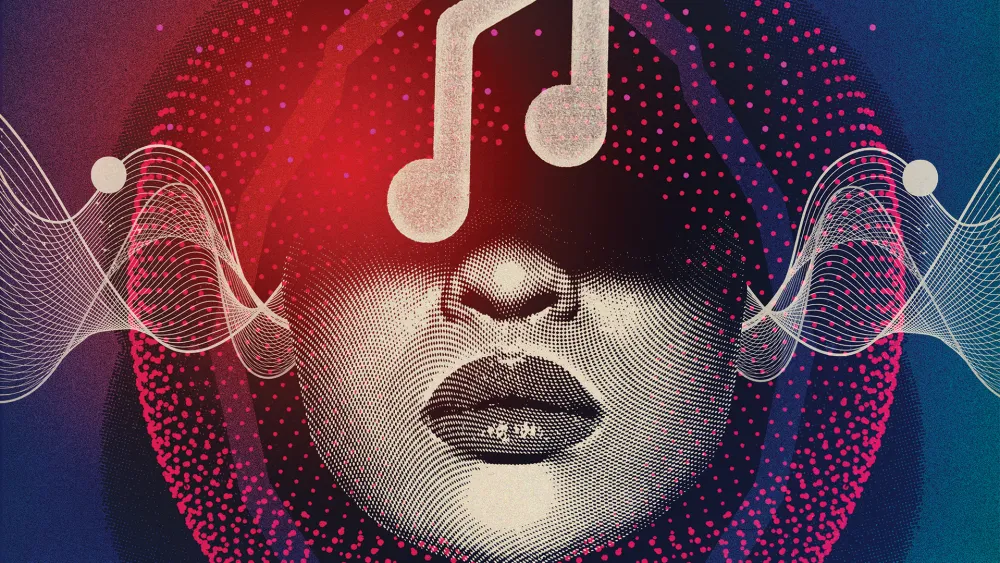
Nigerian music has transformed from a vibrant local cultural expression into one of the most influential sounds in the global music industry. Over the past few decades, artists from Nigeria have moved from performing primarily for domestic audiences to filling international arenas, collaborating with global superstars, and earning recognition at major music awards. This remarkable journey reflects the creativity, resilience, and cultural richness that have made Nigerian music a powerful force worldwide.
The Cultural Roots of Nigerian Music
The story of Nigerian music begins with the country’s diverse cultural heritage. Nigeria is home to hundreds of ethnic groups, each with distinctive musical traditions, languages, rhythms, and instruments. Traditional music has long played an important role in celebrations, ceremonies, storytelling, and community life.
Genres such as Yoruba talking drum music, Igbo highlife, Hausa traditional sounds, and numerous indigenous folk styles created a strong foundation for modern Nigerian music. These traditions emphasized rhythm, storytelling, call-and-response patterns, and energetic performances. As Nigerian musicians began combining traditional influences with contemporary sounds, a unique musical identity gradually emerged.
The Influence of Highlife, Afrobeat, and Fuji
Modern Nigerian music was strongly shaped by genres that developed during the twentieth century. Highlife became particularly popular across West Africa, blending African rhythms with Western instruments and musical structures. Nigerian performers adapted the genre to local tastes, creating a distinctive sound that influenced generations of musicians.
Another major development came through the work of Fela Kuti, whose innovative fusion of jazz, funk, traditional African rhythms, and political commentary became known as Afrobeat. His music not only entertained audiences but also addressed social and political issues. Fela’s bold approach established a foundation that would later inspire many contemporary Nigerian artists.
Fuji music, juju, and other regional styles also contributed to the country’s evolving musical landscape. These genres demonstrated that Nigerian artists could create commercially successful music while maintaining strong connections to their cultural roots.
The Emergence of Afrobeats
One of the biggest developments in Nigerian music has been the rise of Afrobeats, a modern genre that should not be confused entirely with Fela Kuti’s original Afrobeat. Contemporary Afrobeats combines African rhythms with elements of pop, hip-hop, R&B, dancehall, reggae, and electronic music.
During the 2000s and 2010s, Nigerian artists increasingly gained attention outside Africa. The growth of digital platforms, social media, music blogs, and streaming services made it easier for international listeners to discover African performers.
Artists such as Wizkid, Davido, and Burna Boy played major roles in taking Nigerian music to global audiences. Their success demonstrated that songs created primarily from Nigerian cultural experiences could compete successfully in international markets.
Nigerian Artists Enter the Global Spotlight
The international growth of Nigerian music has been driven by artists with distinctive voices and ambitious creative visions. Wizkid became a major international name through successful collaborations and globally popular releases. His work helped introduce Afrobeats to listeners who previously had limited exposure to African popular music.
Davido also became an important ambassador for Nigerian music. With energetic performances, memorable songs, and collaborations with artists from different parts of the world, he helped establish Afrobeats as a commercially important global sound.
Burna Boy took another major step by blending Nigerian influences with dancehall, reggae, hip-hop, and other international styles. His critically acclaimed projects and major performances helped demonstrate the artistic depth of contemporary Nigerian music.
A newer generation, including artists such as Tems, Rema, Asake, Ayra Starr, and Fireboy DML, has continued expanding the genre. Their different approaches show that Nigerian music is not a single sound but a constantly evolving collection of styles and influences.
The Power of International Collaborations
International collaborations have played a significant role in Nigerian music’s global expansion. Nigerian artists have worked with major performers from North America, Europe, the Caribbean, and other regions. These collaborations have introduced Nigerian sounds to new audiences while allowing artists to experiment with different musical traditions.
Songs featuring Nigerian artists have appeared on international charts, while Nigerian performers have increasingly received invitations to major festivals and global events. Such achievements have helped move African music from the margins of the international industry toward the center of popular culture.
Collaborations also demonstrate the versatility of Nigerian musicians. Rather than abandoning their cultural identity to achieve international success, many artists incorporate Nigerian languages, rhythms, melodies, and storytelling into music designed for global audiences.
Streaming and Social Media Changed Everything
Technology has been one of the biggest forces behind the international rise of Nigerian music. In the past, geographical distance and limited distribution networks made it difficult for African artists to reach listeners abroad. Streaming platforms have changed that situation dramatically.
Today, a song released by an independent Nigerian artist can potentially reach listeners in London, New York, Toronto, Johannesburg, Paris, or Tokyo within hours. Social media platforms have also allowed musicians to build direct relationships with fans and promote songs without depending entirely on traditional record companies.
Viral dance challenges, short-form videos, playlists, and fan-created content have become important tools for discovering Nigerian music. A catchy chorus or distinctive rhythm can quickly spread across borders, turning a local release into an international phenomenon.
The Economic Impact of Nigerian Music
The growth of Nigerian music has created opportunities beyond individual performers. The industry supports producers, songwriters, dancers, engineers, photographers, managers, event organizers, fashion designers, and digital marketers.
International demand for Nigerian performers has also increased opportunities for concerts and festivals. Major artists can now attract audiences around the world, while emerging performers have more pathways to develop international careers.
The success of Nigerian music has additionally strengthened Nigeria’s cultural influence. Music often introduces international audiences to Nigerian fashion, language, food, dance, and entertainment. In this sense, musicians have become important cultural representatives.
Challenges Facing the Industry
Despite its impressive progress, the Nigerian music industry still faces challenges. Copyright protection, music piracy, inconsistent infrastructure, limited access to funding, and difficulties surrounding international touring can affect artists and businesses.
There is also intense competition within the industry. As more musicians gain access to digital distribution, standing out requires originality, strong marketing, professional production, and consistent engagement with audiences.
Addressing these challenges will be important for ensuring that the industry’s rapid growth becomes sustainable. Better infrastructure, stronger intellectual property protection, professional management, and investment in emerging talent can help Nigerian artists build lasting careers.
The Future of Nigerian Music
The future of Nigerian music appears increasingly international. Afrobeats has already influenced mainstream pop, while Nigerian artists continue experimenting with hip-hop, R&B, amapiano, electronic music, highlife, and traditional sounds.
The next generation will likely push these boundaries even further. Emerging musicians have access to global audiences from the beginning of their careers, giving them opportunities that previous generations could hardly imagine.
At the same time, the strongest future for Nigerian music will depend on preserving its cultural identity. Global success does not require abandoning Nigerian languages, stories, rhythms, or traditions. In fact, these elements are among the qualities that make the country’s music distinctive.
Conclusion
The rise of Nigerian music from local talent to international recognition is one of the most significant developments in modern global entertainment. Built on deep cultural traditions and strengthened by innovative artists, digital technology, international collaborations, and passionate audiences, Nigerian music has become a worldwide cultural phenomenon.
Its journey is far from finished. As established stars continue breaking barriers and new artists emerge with fresh ideas, Nigerian music is positioned to influence global culture for years to come. What began as a collection of diverse local sounds has evolved into a powerful international movement, proving that authentic cultural expression can cross borders and connect people everywhere.