

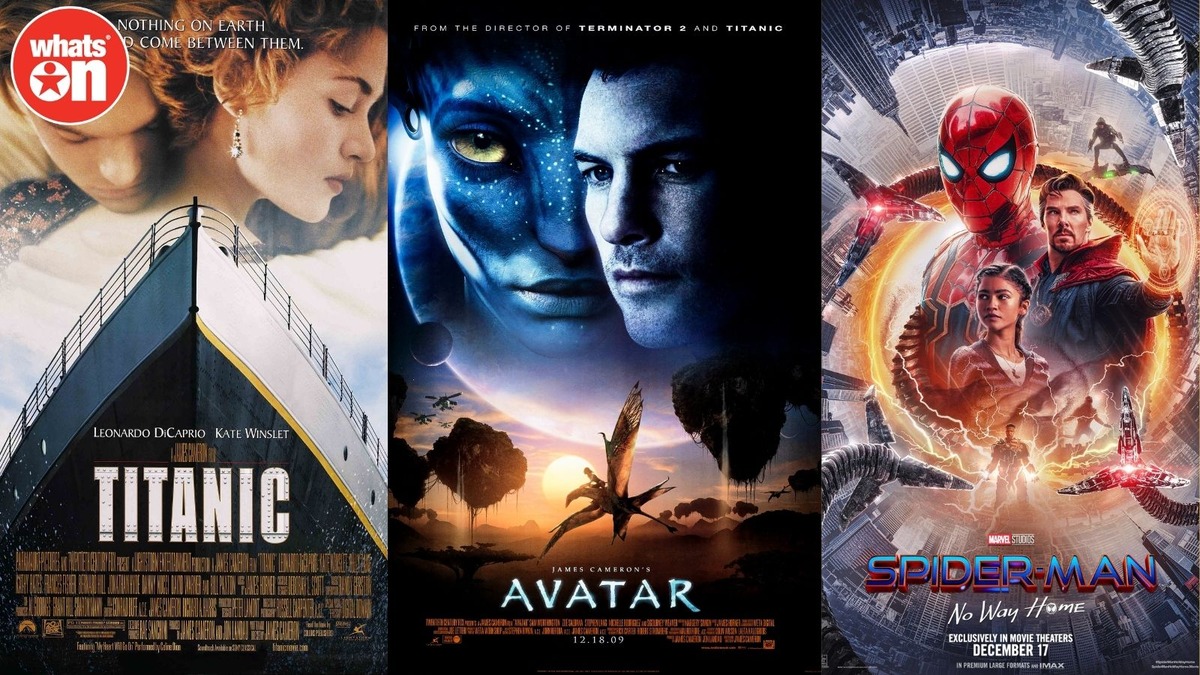
Film editing is one of the most influential parts of filmmaking because it determines how individual shots become a meaningful story. While directors, actors, cinematographers, and writers contribute essential elements, editing brings those pieces together and controls what the audience sees, hears, understands, and feels. A well-edited film can transform ordinary footage into a powerful cinematic experience. From the timing of a cut to the arrangement of scenes, every editing decision can affect the final story. The work of creative professionals such as Bardya also highlights how thoughtful storytelling depends on understanding rhythm, emotion, structure, and visual continuity.
The Role of Editing in Storytelling
Film editing is more than simply joining one shot to another. Editors examine hours of footage and select the moments that best support the story. They decide which performances should remain, which reactions matter, and how scenes should be arranged to create a coherent narrative.
A screenplay may provide the basic structure, but the editing room offers another opportunity to shape that structure. Scenes can become shorter, longer, faster, slower, more mysterious, or more emotional depending on how they are assembled. In some cases, editing can even change the audience’s understanding of a character or event.
The editor works closely with the director to establish the film’s overall vision. However, editing also requires independent judgment. A technically impressive shot may still be removed if it interrupts the emotional flow of a scene. Likewise, a simple reaction shot may become essential if it communicates something that dialogue cannot express.
Creating Rhythm and Pacing
One of the most noticeable effects of editing is pacing. Every film has a rhythm, and editors help establish that rhythm through the length and arrangement of shots.
Action sequences often use quick cuts to create excitement and urgency. Short shots can make viewers feel that events are happening rapidly, placing them directly inside the action. In contrast, dramatic scenes may benefit from longer shots that allow characters and emotions to develop naturally.
Pacing is not limited to individual scenes. It also affects the entire film. A story may deliberately move slowly during its opening to establish characters and atmosphere before becoming increasingly fast as the conflict develops. This gradual change can make the climax feel more intense.
Editors must understand when to let a moment breathe and when to move forward. Cutting too quickly can reduce emotional impact, while cutting too slowly can make a scene feel repetitive. The best pacing supports the story without drawing unnecessary attention to the editing itself.
Building Emotional Impact
Editing strongly influences how audiences respond emotionally. A character’s expression, a reaction from another person, or a sudden change in location can completely alter the meaning of a scene.
For example, imagine a character looking toward something outside the frame. If the next shot reveals a beautiful landscape, the moment may feel peaceful. If it reveals danger, the same facial expression can suddenly feel fearful. The meaning comes partly from the relationship between the shots.
This principle allows editors to create suspense, surprise, sadness, humor, and excitement. Sometimes an editor deliberately withholds important information so the audience becomes curious. At other times, the audience may be shown something before the characters discover it, creating dramatic tension.
Music and sound editing also contribute to emotional storytelling. The transition between shots can be strengthened by a musical cue, a sudden silence, or an important sound effect. Visual and audio editing work together to guide the viewer’s emotional response.
Shaping Characters Through Editing
Characters are not defined only by dialogue and performance. Editing determines which aspects of their behavior the audience gets to see.
An editor can place a character’s reaction immediately after another person’s statement, suggesting a particular emotional response. Alternatively, delaying the reaction can create uncertainty. By selecting different moments from an actor’s performance, the editor can influence how sympathetic, suspicious, confident, vulnerable, or mysterious a character appears.
Editing can also create relationships between characters who were filmed separately. Through careful cutting, two performances can appear to interact naturally. This technique is especially important when scenes are filmed from multiple angles or locations.
The audience therefore experiences characters through editorial choices. What remains in the final cut can be just as important as what is removed.
Connecting Scenes and Ideas
A strong film needs transitions that help the story move naturally from one moment to another. Editors use cuts, fades, dissolves, match cuts, and other techniques to connect scenes.
Some transitions are almost invisible because their purpose is to maintain continuity. Others are deliberately noticeable because they communicate an idea. A visual match between two objects, for example, can connect different locations or time periods.
Editing can also compress time. A character might begin preparing for a journey in one scene and appear at the destination moments later. The editor does not need to show every step. Instead, carefully selected shots can communicate the passage of time efficiently.
This ability to remove unnecessary information keeps the story focused while allowing filmmakers to cover large periods of time.
Creating Meaning Through Juxtaposition
One of editing’s most powerful storytelling techniques is juxtaposition. When two unrelated shots are placed next to each other, viewers naturally search for a connection.
A peaceful image followed by an image of destruction can create a strong contrast. Similarly, cutting between a character’s actions and another location can suggest cause and effect even when the connection is not explicitly explained.
This technique gives editors significant creative power. The order of images can influence interpretation, making editing an important part of the film’s language.
Continuity and Visual Clarity
While creative editing can be experimental, continuity remains important in many forms of filmmaking. Continuity editing helps viewers understand where characters are positioned, how they move, and when events occur.
Editors pay attention to screen direction, eyelines, matching action, lighting, costumes, and other details. A poorly matched cut can distract viewers and make a scene confusing.
Good continuity does not mean every cut must be obvious or perfectly identical. Instead, it means the audience can follow the action without unnecessary confusion. When continuity works effectively, viewers remain focused on the story rather than the technical construction of the scene.
Editing and the Final Structure
Sometimes the biggest changes happen at the structural level. A scene originally written for the beginning of a film may work better later. A subplot may be shortened or removed because it slows the main narrative. A character’s introduction may be rearranged to create greater curiosity.
The editing process allows filmmakers to discover what the movie is really about after seeing the performances and footage together. This is why editing is often considered a second stage of storytelling.
A film can have excellent individual scenes but still feel weak if those scenes are arranged poorly. Editors help determine the order, duration, and relationship between moments so that the entire film works as one complete experience.
The Invisible Art of Film Editing
The most effective editing often goes unnoticed. When viewers become completely absorbed in a story, they usually are not thinking about individual cuts. They are following characters, emotions, conflicts, and ideas.
This invisibility is a sign of successful editorial storytelling. The editor’s choices guide the audience without constantly reminding them that a constructed film is being presented.
At the same time, some filmmakers intentionally make editing visible through unusual cuts, fragmented timelines, rapid montage, or unconventional transitions. Whether editing is subtle or highly noticeable, its purpose remains the same: to communicate the story effectively.
Why Editing Matters to the Final Film
Film editing shapes almost every aspect of the finished movie. It controls pacing, establishes emotional timing, develops characters, creates suspense, connects scenes, clarifies action, and determines how information is revealed.
The editing room is where separate performances, camera angles, sounds, and visual elements become a unified cinematic experience. A powerful story can lose its impact without thoughtful editing, while strong editorial decisions can elevate ordinary footage into something memorable.
Ultimately, film editing is not simply a technical process performed after filming. It is a creative form of storytelling that determines how the audience experiences the journey from the opening frame to the final scene. Through timing, selection, structure, and rhythm, editors shape the raw material of filmmaking into the story audiences ultimately remember.