

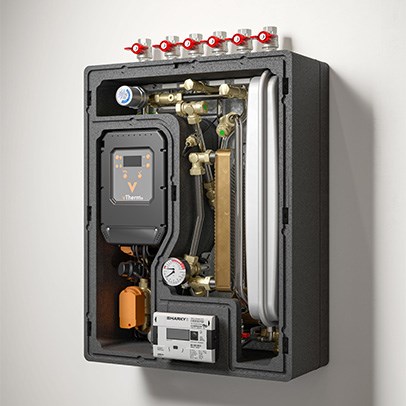
Modern properties depend on reliable heating and hot water systems to provide comfort, efficiency, and convenience for residents and occupants. In buildings that use Heat Interface Units (HIUs), regular maintenance is particularly important because these units play a central role in transferring heat from a communal or district heating network into individual properties. Without appropriate servicing, performance can gradually decline, potentially leading to higher energy use, inconsistent temperatures, and unexpected breakdowns. This is why arranging professional HIU service London at suitable intervals can be an important part of responsible property management.
Understanding the Role of an HIU
A Heat Interface Unit connects a property to a communal or district heating system. Instead of having an individual boiler in every apartment, heat is transferred through the HIU to provide domestic hot water and, where applicable, space heating.
Because an HIU contains several components that work together, its performance can be affected by issues such as scale, debris, pressure problems, valve faults, sensor failures, and general component wear. Regular servicing allows these issues to be identified before they become more disruptive.
For modern apartment buildings, residential developments, and other properties using communal heating, maintaining the HIU can therefore contribute to dependable day-to-day operation.
Why Regular Servicing Is Important
Regular maintenance provides property owners and managers with an opportunity to identify developing problems before they become major faults. A small issue with a valve, sensor, filter, or heat exchanger can affect heating or hot water performance if it remains unresolved.
Professional servicing can involve checking system components, examining connections, assessing temperatures and pressures, cleaning appropriate parts, and identifying signs of wear. The precise work required will depend on the HIU model, installation, manufacturer recommendations, and condition of the system.
Using a planned HIU service London approach can make maintenance more predictable while helping property managers avoid relying entirely on emergency repairs.
Supporting Consistent Heating and Hot Water
Residents expect heating and hot water to be available when needed. When an HIU is not operating correctly, users may experience fluctuating temperatures, slow hot water delivery, or reduced heating performance.
Routine servicing helps identify conditions that may affect performance. Keeping components clean and properly adjusted can help the system operate as intended and provide more consistent service.
This is especially useful in multi-occupancy buildings, where an individual equipment issue can quickly become a source of inconvenience for residents.
Identifying Problems Before Failure
One of the key benefits of preventative maintenance is early identification. Components do not always fail without warning. Unusual noises, inconsistent temperatures, pressure changes, leaks, or declining performance may indicate that something requires attention.
During a professional inspection, technicians can look for visible and operational signs of developing faults. Addressing a problem at an early stage may be simpler than dealing with a complete system failure.
A scheduled HIU service London programme can therefore form part of a wider preventative maintenance strategy.
Improving Property Management
Managing modern properties involves balancing resident satisfaction, maintenance requirements, budgets, and operational responsibilities. Unexpected heating problems can create additional pressure for property managers, particularly when several apartments are affected.
Planned servicing provides a more organised approach to maintenance. Property managers can schedule inspections, keep service records, monitor recurring issues, and plan repairs based on the condition of the equipment.
This approach can also make it easier to identify patterns across a development. If several units show similar issues, management teams may be able to investigate whether a wider system condition needs attention.
Helping Maintain System Efficiency
Heating systems need to transfer energy effectively. When components become dirty, worn, incorrectly adjusted, or affected by scale, performance can potentially suffer.
Regular servicing provides an opportunity to examine the condition of relevant components and identify factors that may be reducing performance. While servicing alone cannot guarantee lower energy bills, maintaining equipment according to appropriate recommendations can support efficient operation.
For property owners concerned about long-term operating costs, routine HIU maintenance can therefore be a practical part of overall building management.
Protecting Equipment Through Preventative Care
HIUs are designed to operate for extended periods, but like other mechanical and heating equipment, they require appropriate care. Neglecting maintenance can allow minor problems to continue until they place additional stress on other components.
Preventative servicing can help identify worn seals, damaged connections, blocked filters, faulty controls, and other issues that may need attention. Early intervention can help reduce the likelihood of avoidable equipment damage.
The exact maintenance requirements should always be determined according to the manufacturer’s instructions and the specific installation.
Why Professional Expertise Matters
HIUs are not identical, and different manufacturers and systems can have different servicing requirements. A professional technician should understand the equipment being inspected and follow appropriate procedures.
A qualified professional can assess the unit systematically rather than simply responding to the most obvious symptom. For example, poor hot water performance may have several possible causes, so a proper inspection can help determine where the underlying issue lies.
Professional HIU service London can also provide property managers with useful information about the condition of their equipment and whether additional maintenance or replacement planning may be appropriate.
Supporting Residents and Occupants
Heating and hot water are essential services in residential properties. When they become unreliable, residents can experience considerable inconvenience.
Regular maintenance demonstrates a proactive approach to building care. Instead of waiting for occupants to report repeated problems, property managers can establish scheduled inspections and respond to potential issues before they become significant.
This can contribute to a better-maintained living environment and help reduce disruption caused by unexpected heating faults.
Keeping Maintenance Records
Good maintenance involves more than arranging occasional visits. Keeping accurate service records can help property owners understand the history of each system.
Records may include service dates, identified faults, replaced components, inspection findings, and recommendations for future work. This information can be valuable when planning future maintenance or investigating recurring issues.
For larger developments, organised records can also help management teams coordinate servicing across multiple apartments and communal systems.
Planning a Practical HIU Maintenance Schedule
The ideal servicing frequency depends on factors such as the equipment, manufacturer’s recommendations, building usage, system design, and operating conditions. Property managers should avoid assuming that every installation requires exactly the same schedule.
A practical maintenance plan can include routine inspections, manufacturer-recommended servicing, prompt investigation of reported faults, and periodic reviews of recurring problems.
Working with an experienced HIU service London provider can help property managers develop a maintenance approach suited to their particular installation.
Long-Term Benefits for Modern Properties
Modern buildings increasingly rely on efficient communal heating arrangements, and HIUs are an important part of many such systems. Keeping them properly maintained can support reliability, resident comfort, operational planning, and equipment longevity.
Regular servicing is not simply about responding to breakdowns. It is about taking a preventative approach that recognises the importance of heating equipment throughout the life of a property.
For landlords, building managers, housing providers, and property owners, a structured maintenance programme can make heating management more organised and predictable.
Conclusion
Regular HIU maintenance matters because reliable heating and hot water are fundamental to modern property operation. Routine inspections can help identify developing faults, support consistent performance, maintain equipment condition, and reduce the disruption associated with unexpected failures.
Rather than waiting until an HIU stops working, property managers can use planned HIU service London to take a proactive approach to maintenance. By following suitable servicing recommendations, keeping detailed records, and using appropriately qualified professionals, modern properties can better manage their heating systems and provide a more dependable experience for residents and occupants.