

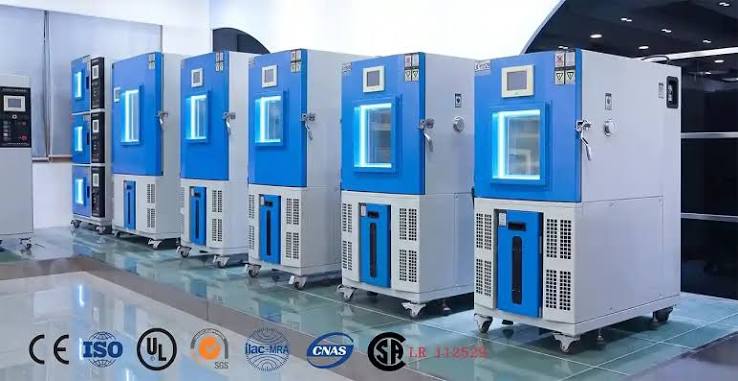
An altitude test chamber is an important piece of equipment for organizations that need to evaluate how products, components, materials, and systems perform under reduced atmospheric pressure. Products designed for aviation, aerospace, automotive, electronics, telecommunications, defense, and other demanding industries may need to operate reliably at high elevations. Laboratory testing under controlled conditions allows manufacturers to identify potential performance issues before products are introduced into real-world environments.
Choosing the right chamber requires more than simply selecting equipment that can create low pressure. Factors such as altitude range, temperature control, chamber size, pressure accuracy, safety systems, monitoring capabilities, and energy efficiency can significantly affect testing results. Understanding these features can help laboratories select equipment that matches their testing requirements.
Altitude Simulation Range
One of the first features to examine is the altitude simulation range. Different applications require different pressure conditions, so the chamber should be capable of reproducing the highest altitude relevant to the intended test program.
A chamber designed for general industrial testing may provide a different operating range than equipment intended for aerospace applications. Before purchasing, determine the maximum simulated altitude required and confirm that the chamber can maintain that condition consistently.
The ability to program multiple altitude levels can also be valuable. It allows users to conduct progressive testing rather than limiting experiments to a single pressure point.
Precise Pressure Control
Pressure control is central to altitude testing. An effective altitude test chamber should provide accurate and repeatable pressure regulation throughout the testing cycle.
Precise control helps laboratories reproduce specific environmental conditions and compare results between different test samples. Look for systems with responsive vacuum control, reliable pressure sensors, and software that can automatically maintain the selected pressure level.
Pressure stability is equally important. A chamber may reach a target pressure but still produce unreliable results if pressure fluctuates significantly during testing. Consistent control supports more dependable measurements and repeatable test procedures.
Temperature Control Capabilities
Many altitude tests involve more than reduced pressure. Products may experience temperature changes at high elevations, making temperature control an important feature.
A chamber capable of controlling both pressure and temperature can simulate more realistic environmental conditions. Depending on the application, users may need to test products under cold, moderate, or elevated temperatures while simultaneously maintaining reduced atmospheric pressure.
When evaluating temperature performance, consider the chamber’s temperature range, heating and cooling speed, uniformity, and stability. These characteristics can influence how accurately the chamber reproduces the intended environment.
Combined Environmental Testing
For advanced applications, combined altitude and temperature testing can reveal interactions that may not appear during individual tests. For example, electronic equipment might behave differently when exposed to both low pressure and low temperature.
A chamber that supports combined environmental conditions can therefore provide broader testing capabilities without requiring separate equipment for every test scenario.
Chamber Size and Working Capacity
The internal dimensions of the chamber should match the size and quantity of products being tested. Selecting a chamber that is too small can restrict future testing, while an unnecessarily large chamber may consume additional space and energy.
Consider the dimensions of current test specimens as well as potential future requirements. Laboratories should also account for fixtures, cables, sensors, and other equipment that may need to be placed inside the chamber.
Accessibility is another consideration. A well-designed chamber should make it reasonably easy for operators to install samples, connect instrumentation, inspect equipment, and remove test specimens.
Vacuum System Performance
The vacuum system determines how effectively the chamber can reduce internal pressure. Its performance can directly influence how quickly the desired altitude condition is reached.
When comparing systems, examine pump capacity, evacuation speed, operating stability, maintenance requirements, and expected service life. A reliable vacuum system can improve testing efficiency and reduce interruptions.
It is also useful to consider whether the system is designed for continuous operation or intermittent laboratory testing. The appropriate configuration depends on workload and test frequency.
Monitoring and Data Logging
Modern environmental testing often requires detailed records of test conditions. An altitude test chamber should therefore provide effective monitoring and data-logging capabilities.
Digital controllers can allow operators to monitor pressure, temperature, test duration, and other parameters in real time. Automated data recording makes it easier to review test results and identify changes during a test cycle.
Data export capabilities can also be valuable for quality control and documentation. Laboratories may need to preserve test records for internal analysis, customer reports, regulatory requirements, or product development.
Programmable Test Profiles
Programmable test profiles can make repeated testing considerably easier. Instead of manually adjusting conditions, users can create sequences that automatically change pressure and temperature according to a predefined schedule.
This feature can improve consistency between tests while reducing the possibility of operator error.
Safety Features
Safety should be considered alongside performance. Because altitude chambers use vacuum systems and may operate under changing temperature conditions, appropriate protection systems are essential.
Important features may include pressure monitoring, automatic shutdown functions, door interlocks, emergency controls, alarms, and protection against abnormal operating conditions.
The chamber should also be designed so that operators can safely load and unload test samples. Clear controls and status indicators can make operation easier and help reduce mistakes.
Materials and Construction Quality
The construction materials used in a chamber can affect durability, maintenance, and long-term performance. The chamber should be manufactured from materials appropriate for the pressure and temperature conditions it is expected to handle.
A strong enclosure, reliable seals, quality viewing windows where required, and durable internal surfaces can contribute to dependable operation.
Pay attention to door design and sealing systems as well. Effective seals are particularly important for maintaining stable vacuum conditions and preventing unnecessary pressure loss.
Control Software and User Interface
An intuitive control system can make complex testing easier. Look for a chamber with a clear interface that allows operators to configure test parameters, monitor conditions, save programs, and review test information.
Remote monitoring may also be useful for laboratories that need to observe long-duration tests without remaining beside the chamber continuously.
Software compatibility can matter when the chamber needs to integrate with external measurement instruments or laboratory data systems.
Energy Efficiency and Maintenance
Operating costs should also be included in the purchasing decision. Vacuum pumps, heating systems, cooling systems, and other components can consume substantial energy depending on chamber size and test frequency.
An energy-efficient design can help reduce operating expenses over the equipment’s service life. However, energy consumption should be evaluated alongside performance rather than considered independently.
Maintenance requirements are equally important. Ask about filter replacement, pump servicing, seal inspection, calibration, and availability of replacement components. Equipment that is easier to maintain can help minimize downtime.
Calibration and Testing Standards
Calibration capability is another important consideration. Pressure and temperature sensors should be capable of accurate measurement and regular calibration.
Depending on the industry, testing may need to follow specific standards or customer requirements. Before selecting an altitude test chamber, identify the standards applicable to the products being tested and confirm that the equipment can support the necessary procedures.
Documentation, calibration certificates, and traceable measurement systems can be especially important for regulated or quality-sensitive applications.
Conclusion
Selecting an altitude test chamber requires careful consideration of both immediate testing needs and future laboratory requirements. Altitude range, pressure accuracy, temperature control, chamber capacity, vacuum performance, monitoring, safety, construction quality, software, maintenance, and calibration all contribute to the overall usefulness of the equipment.
The right chamber should provide stable and repeatable environmental conditions while remaining practical for everyday laboratory operation. By evaluating these features before purchasing, organizations can choose equipment that supports reliable testing, efficient workflows, and better product development. A well-selected chamber can become a valuable long-term testing resource for verifying performance under challenging high-altitude conditions.