

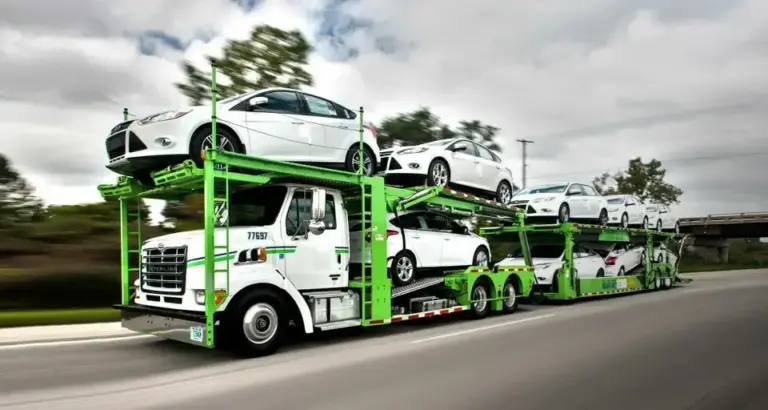
Moving a vehicle across a long distance can be challenging, especially when driving it to the destination is impractical. Whether you are relocating, purchasing a vehicle from another state, moving a classic car, or transporting multiple vehicles for business purposes, choosing the right shipping company for vehicles is an important decision. A dependable transporter can make the process organized and convenient while helping reduce unnecessary risks, delays, and unexpected costs.
With numerous vehicle transportation providers available, it is important to understand what to look for before booking a shipment. Comparing services, insurance coverage, pricing, transportation methods, and customer support can help you select a company that matches your specific requirements.
Understand Your Vehicle Shipping Requirements
The first step is to determine exactly what you need from a vehicle transportation service. Consider the type of vehicle, pickup location, destination, preferred delivery schedule, and budget.
Different vehicles may require different transportation arrangements. A standard sedan may be suitable for an open carrier, while a luxury, antique, classic, or highly valuable vehicle may benefit from enclosed transportation. Oversized vehicles, motorcycles, recreational vehicles, and modified automobiles can also require specialized equipment.
You should also decide whether you need door-to-door transportation or terminal-to-terminal service. Understanding these requirements before requesting quotes makes it easier to compare providers accurately.
Consider the Distance and Route
Long-distance transportation can involve multiple highways, states, and weather conditions. Ask potential transporters about their experience with your particular route and whether pickup and delivery locations present any accessibility challenges.
A company familiar with long-distance routes may be better prepared to coordinate scheduling, carrier availability, and delivery logistics.
Compare Vehicle Shipping Services
Not every shipping company for vehicles offers the same services. Before selecting a provider, review the transportation options available.
Open auto transport is commonly used for standard vehicles and can provide a practical solution for many customers. Enclosed transport offers additional protection from weather and road debris and is often considered for valuable or specialty vehicles.
Some providers also offer expedited transportation for customers with tight deadlines. If timing is important, ask whether the company guarantees a specific delivery date or simply provides an estimated timeframe.
Ask About Pickup and Delivery Options
Pickup and delivery arrangements can significantly affect convenience. Door-to-door transportation generally allows the vehicle to be collected and delivered as close as safely possible to the requested addresses.
However, some residential streets may be unsuitable for large transport trucks. In those cases, the carrier may arrange a nearby meeting location. Ask about these possibilities before booking so there are no surprises during pickup or delivery.
Review Pricing Carefully
Price is naturally an important consideration, but the lowest quote is not always the most suitable option. Vehicle shipping costs can depend on distance, vehicle size, transportation type, route demand, fuel costs, seasonality, and delivery speed.
When comparing quotes, make sure you understand what is included. A quote should clearly identify the expected transportation cost and any additional charges that may apply.
Avoid Unclear or Incomplete Estimates
Be cautious when a provider gives an unusually low estimate without explaining the pricing structure. A low initial quote may change later if important costs were not included.
Ask whether the quoted amount covers pickup, transportation, delivery, insurance, and other standard fees. Getting the details in writing can make comparisons easier and reduce misunderstandings.
Verify Insurance and Protection
Vehicle transportation involves moving a valuable asset over a considerable distance, so insurance coverage should be reviewed carefully. Ask the company what type of carrier insurance applies during transportation and what circumstances are covered.
You should also ask about deductibles, exclusions, and the process for reporting potential damage. Do not assume that every type of damage is automatically covered.
Before handing over your vehicle, document its condition with photographs. Taking pictures from multiple angles and recording existing scratches, dents, or other imperfections can provide useful documentation when the vehicle is delivered.
Check Company Experience and Credentials
Experience can be an important factor when selecting a transportation provider. Research how long the company has been operating and whether it regularly handles the type of vehicle you need transported.
You can also verify relevant registration, licensing, and insurance information where applicable. A legitimate transportation provider should be willing to provide basic business and carrier information.
Examine Customer Reviews
Customer reviews can provide insight into communication, scheduling, delivery experiences, and how companies handle problems. Look for patterns rather than relying on one extremely positive or negative review.
Pay particular attention to comments about long-distance shipments, vehicle condition upon delivery, communication during transit, and unexpected charges.
Evaluate Communication and Customer Service
Communication becomes especially important when transporting a vehicle over hundreds or thousands of miles. Before booking, contact the company and ask questions about the process.
Notice whether representatives provide clear answers about pricing, scheduling, insurance, and delivery expectations. A company that communicates clearly from the beginning can make the transportation process easier to understand.
Ask how you will receive updates during transit and whom you should contact if circumstances change.
Understand the Transportation Contract
Before signing an agreement, carefully review the terms and conditions. The contract should explain the transportation service, pricing, pickup and delivery arrangements, cancellation policies, and responsibilities of both parties.
Make sure the information about your vehicle is accurate, including its make, model, size, and operating condition.
Confirm Vehicle Preparation Requirements
Most transporters have preparation requirements before pickup. You may need to remove personal belongings, reduce fuel to an appropriate level, disable certain alarms, and make sure the vehicle is accessible.
If the vehicle does not run, inform the transporter before booking. Non-running vehicles may require additional equipment for loading and unloading.
Consider Timing and Scheduling
Long-distance vehicle transportation does not always operate on an exact schedule because traffic, weather, mechanical issues, road restrictions, and carrier availability can affect transit.
If you have a strict deadline, discuss it before making a reservation. An expedited service may be available, but it can involve additional costs.
Booking ahead of time can also provide more flexibility, particularly during busy transportation periods.
Ask the Right Questions Before Booking
A few direct questions can help you evaluate a shipping company for vehicles more effectively:
- What type of carrier will transport my vehicle?
- Is the service open or enclosed?
- What insurance coverage is provided?
- Is the quoted price final or subject to changes?
- What is the estimated pickup and delivery timeframe?
- How are delays communicated?
- What preparation is required?
- What happens if the vehicle is damaged during transportation?
- Are there cancellation or rescheduling fees?
- Will I receive pickup and delivery documentation?
Clear answers can help you understand the service before committing.
Prepare Your Vehicle for Long-Distance Transport
Proper preparation can make pickup and delivery smoother. Clean the exterior so existing damage can be easily documented. Remove personal items and valuables from the interior and trunk.
Check tire pressure, battery condition, fluid levels, and other basic vehicle components. Keep only the amount of fuel recommended by the transporter.
At pickup, inspect the vehicle with the driver and document its condition on the required inspection report. Repeat the inspection carefully when the vehicle arrives.
Make an Informed Transportation Choice
Choosing the right shipping company for vehicles requires more than comparing prices. The transportation method, insurance coverage, company experience, customer reviews, communication, contract terms, and scheduling flexibility should all be considered.
A reliable vehicle transportation process begins with understanding your needs and asking detailed questions. By gathering multiple quotes and examining what each provider actually offers, you can make a more informed decision based on your vehicle, route, timing, and budget.
Long-distance vehicle transport does not have to be complicated. With careful research, proper preparation, and clear communication, vehicle owners can approach the shipping process with greater confidence and ensure that their transportation arrangements are clearly understood from pickup through final delivery.