

Fast-moving design teams operate in an environment where deadlines are tight, project requirements change quickly, and accurate technical documentation is essential. Whether a company is working on product development, architecture, engineering, manufacturing, construction, or other technical projects, having the right design professionals available at the right time can make a significant difference.
CAD designers play an important role in transforming concepts, measurements, specifications, and engineering requirements into detailed digital drawings and models. However, building and maintaining an internal team with enough CAD expertise can be challenging when project workloads fluctuate. This is where specialized staffing solutions can provide valuable support.
CAD designer staffing gives organizations access to professionals with relevant technical skills without requiring every company to rely exclusively on permanent hiring. When implemented effectively, it can help design teams respond to changing workloads while maintaining project continuity and technical quality.
Understanding the Role of CAD Designers
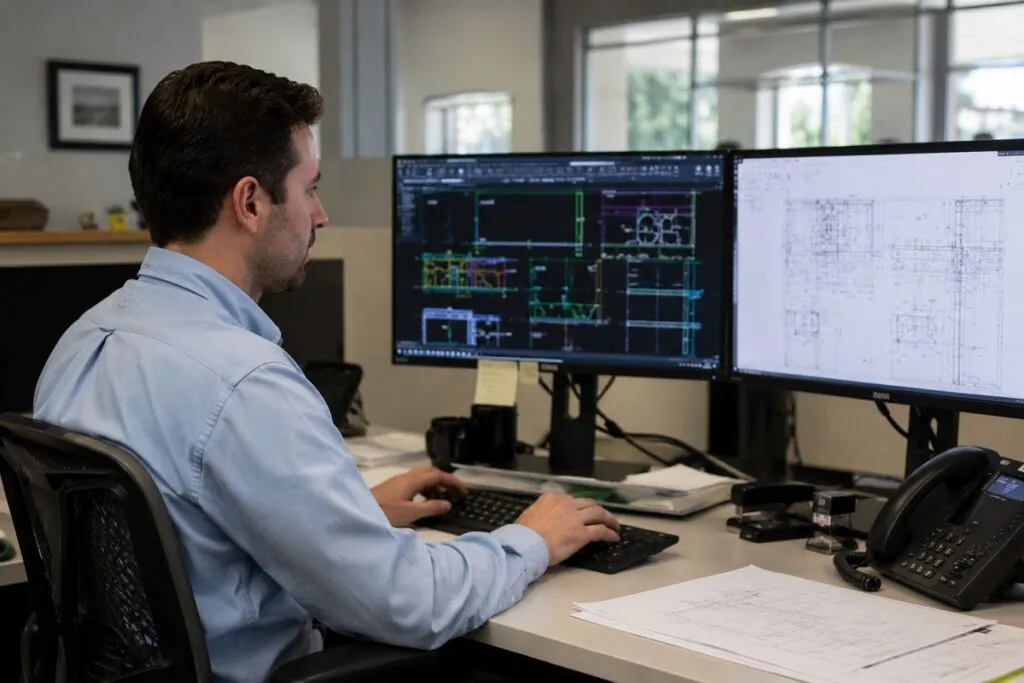
CAD designers use computer-aided design software to create, modify, and manage technical drawings and digital models. Their work can include creating layouts, developing detailed components, updating drawings, preparing design documentation, and supporting engineers or architects throughout a project.
Depending on the industry, CAD designers may work with mechanical components, electrical systems, architectural plans, structural elements, manufacturing assemblies, or other technical designs.
Their responsibilities often require attention to detail and an understanding of technical specifications. Even small errors in a drawing can create problems later in production, construction, fabrication, or installation.
For fast-moving organizations, having skilled CAD professionals available can help ensure that design work keeps pace with project requirements.
Managing Fluctuating Design Workloads
One of the biggest challenges for growing design teams is workload variation. A company may have a relatively manageable workload for several months and then suddenly receive multiple projects requiring additional drafting and design resources.
Hiring permanent employees for every temporary increase in workload can create unnecessary staffing costs. At the same time, asking an existing team to handle excessive workloads can contribute to delays and reduced productivity.
Staffing solutions provide an alternative approach. Through flexible recruitment and workforce planning, companies can bring additional CAD professionals into projects when demand increases.
This flexibility allows internal teams to focus on their core responsibilities while additional specialists handle supporting design tasks.
Accelerating Project Timelines
Fast-moving projects often depend on several activities happening simultaneously. Engineers may be developing concepts while manufacturers are reviewing specifications and project managers are coordinating schedules.
CAD designers help connect these activities by preparing accurate and usable technical documentation.
With additional design professionals available, teams can divide work across multiple projects or assign different components of a large project to specialized personnel. This can reduce bottlenecks and allow drawings, revisions, and documentation to move forward more efficiently.
CAD drafter staffing can be particularly useful when a company needs professionals who can quickly contribute to existing workflows and help complete technical documentation under demanding deadlines.
Accessing Specialized Technical Skills
Not every project requires the same type of CAD expertise. A company may need professionals experienced in mechanical design for one project and architectural or electrical drafting for another.
Maintaining every specialization internally may not be practical, particularly for organizations whose project requirements change throughout the year.
Specialized staffing can help businesses identify professionals whose experience matches particular technical requirements. This approach can provide access to skills that may otherwise take considerable time to develop internally.
When evaluating candidates, organizations can consider software experience, industry knowledge, technical education, previous project experience, and familiarity with relevant design standards.
Supporting Internal Design Teams
Staffing does not necessarily mean replacing an existing design department. In many cases, external or temporary professionals can work alongside permanent employees.
This approach can help distribute workloads more effectively. Internal team members can concentrate on complex design decisions, client communication, engineering coordination, or project management, while additional CAD professionals handle drawing production, revisions, documentation, and other appropriate responsibilities.
A well-integrated staffing strategy can therefore strengthen the overall capacity of a design department without disrupting established processes.
Improving Response to Design Changes
Design projects rarely remain completely unchanged from beginning to end. Clients may request modifications, engineers may identify technical adjustments, and manufacturing requirements can evolve.
Each change can require drawings and models to be updated accurately.
When a team is already operating at full capacity, frequent revisions can create significant pressure. Additional CAD professionals can provide the capacity needed to manage these changes while allowing the broader project team to continue progressing.
Clear version control, documentation standards, and communication procedures are important for ensuring that everyone works from the correct information.
Reducing Recruitment Pressure
Traditional recruitment can take time. Companies may need to create job descriptions, advertise positions, review applications, conduct interviews, evaluate technical skills, and complete onboarding.
For urgent projects, this process may not align with business timelines.
Specialized staffing providers can help organizations identify candidates with relevant CAD backgrounds. This can shorten the process of finding professionals who meet specific project requirements.
CAD drafter staffing can therefore become part of a broader workforce strategy for organizations that regularly experience changing technical workloads.
Maintaining Design Quality
Speed should never come at the expense of accuracy. Technical drawings need to follow project specifications, company standards, and applicable requirements.
Experienced CAD professionals can contribute to quality by carefully reviewing dimensions, annotations, layers, layouts, assemblies, and other important design details.
Companies can also establish review procedures where completed drawings are checked by engineers, senior designers, or project managers before being released.
Combining additional staffing capacity with strong quality-control procedures allows teams to increase production without abandoning technical standards.
Building a Flexible Workforce Strategy
Fast-moving design teams need workforce strategies that can adapt to changing business conditions. Instead of viewing staffing only as a way to fill vacant positions, organizations can use it as a tool for managing project capacity.
Companies can determine which tasks require permanent employees and which responsibilities can be supported by flexible professionals. They can also evaluate project timelines, expected workloads, software requirements, and technical specialization before deciding what type of staffing support is appropriate.
This creates a more structured approach to workforce planning.
Choosing the Right CAD Staffing Partner
The effectiveness of a staffing strategy depends partly on selecting professionals who genuinely match the project’s requirements. Organizations should consider whether a staffing provider understands technical roles and can identify candidates based on practical skills rather than job titles alone.
Important considerations may include CAD software experience, industry specialization, portfolio quality, technical education, communication skills, and previous project responsibilities.
Clear communication about project scope, expected duration, required software, work arrangements, and technical standards can also improve the matching process.
Conclusion
Fast-moving design teams need flexibility, technical accuracy, and the ability to respond quickly when workloads change. Skilled CAD professionals can provide valuable support by creating technical drawings, updating designs, managing documentation, and helping teams keep projects moving.
Flexible staffing approaches can make it easier for organizations to access specialized talent when additional capacity is required. By combining experienced CAD professionals with effective project management and quality-control processes, businesses can build design teams that are better prepared for changing project demands.
For organizations facing fluctuating workloads or tight deadlines, CAD drafter staffing can be an important part of a practical workforce strategy. It allows companies to expand design capacity when needed while maintaining focus on productivity, accuracy, and successful project delivery.