
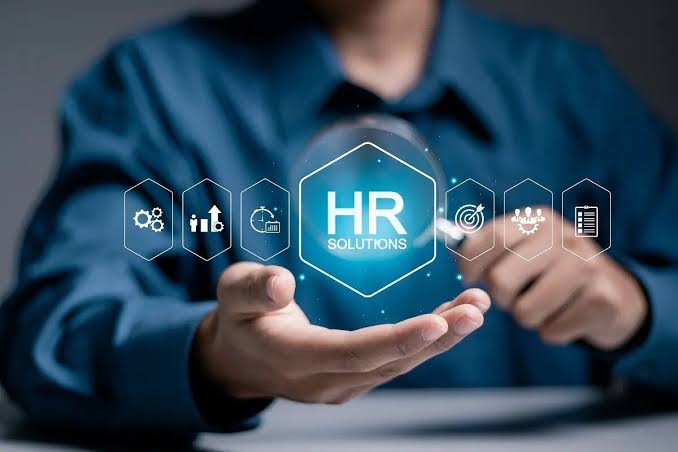
Human resource management has become more complex as businesses grow, teams become more distributed, and employee expectations continue to change. HR departments are responsible for recruitment, employee records, attendance, payroll, leave management, performance tracking, compliance, and employee engagement. Managing all these responsibilities manually can consume valuable time and increase the possibility of errors. This is where the best hr software can make a meaningful difference by bringing essential HR processes together in one organized digital platform.
Modern HR technology is designed not only to automate repetitive administrative tasks but also to provide HR teams with better visibility and useful workforce information. By choosing the right solution, organizations can reduce paperwork, improve accuracy, strengthen employee communication, and create smoother everyday operations.
Centralized Employee Information
One of the most important features of effective HR software is centralized employee data management. Instead of maintaining separate spreadsheets, files, and paper records, businesses can store employee information in a secure digital system.
A centralized employee database can contain information such as personal details, job roles, department information, joining dates, attendance records, leave balances, salary details, and employment documents. Authorized HR professionals can quickly access the information they need without searching through multiple sources.
The best hr software also makes it easier to keep employee records updated. When information changes, HR teams can update the relevant profile and maintain a more accurate workforce database.
Automated Attendance and Time Tracking
Tracking employee attendance manually can be challenging, particularly for organizations with large teams, multiple locations, or flexible working arrangements. Automated attendance management can help HR departments record working hours, attendance status, late arrivals, early departures, overtime, and absences more efficiently.
Modern systems may support biometric devices, web-based attendance, mobile access, and other digital methods. This reduces the need for manual calculations and provides employees and managers with clearer visibility into working time.
Accurate time tracking can also support payroll processing because attendance and working-hour information can be connected with salary calculations. This integration helps reduce discrepancies and saves HR professionals from repeatedly entering the same information.
Efficient Leave Management
Leave administration is another everyday HR task that can benefit from automation. Employees often need to request different types of leave, while managers need to review and approve those requests. Managing this process through emails or spreadsheets can result in delays and confusion.
HR software can provide a centralized leave management system where employees submit requests digitally and managers can approve or reject them from a single interface. The system can automatically update leave balances and maintain a record of previous requests.
This makes the process more transparent for everyone. Employees can check their available leave, review request status, and plan their time off without repeatedly contacting HR.
Streamlined Payroll Processing
Payroll is one of the most sensitive areas of HR because even small errors can affect employee satisfaction and trust. An effective HR platform can simplify payroll by connecting employee information, attendance, leave, deductions, allowances, and other relevant data.
Automation can reduce repetitive calculations and help payroll teams prepare salary information more efficiently. Depending on the software, businesses may also be able to generate salary slips, payroll reports, and other important records.
When payroll data is connected with attendance and employee records, organizations can reduce duplicate data entry and improve consistency across HR processes.
Recruitment and Onboarding Support
Recruitment involves several stages, including job posting, candidate screening, interviews, selection, documentation, and onboarding. HR technology can help organize these activities and reduce administrative workload.
Recruitment features can allow HR teams to maintain candidate profiles, track application progress, schedule interviews, and organize hiring information. Once a candidate is selected, onboarding tools can help HR departments collect documents, assign tasks, share company policies, and introduce new employees to their responsibilities.
A structured onboarding process can help new employees become productive more quickly while giving HR teams a consistent approach to welcoming new staff members.
Performance Management
Employee performance management is no longer limited to annual reviews. Businesses increasingly need continuous feedback, goal tracking, and performance discussions to support employee development.
HR software can provide tools for setting individual and team goals, monitoring progress, conducting performance reviews, and recording feedback. Managers can use these features to identify strengths, recognize achievements, and determine areas where employees may benefit from additional support or training.
The best hr software can make performance management more organized by keeping goals and review information in one accessible location.
Employee Self-Service
Employee self-service features can significantly reduce routine HR queries. Instead of asking HR teams for basic information or submitting paper forms, employees can access certain HR services themselves.
Depending on the platform, employees may be able to view attendance records, download salary slips, submit leave applications, update selected personal information, access company documents, and check request statuses.
This creates greater convenience for employees while allowing HR professionals to focus more attention on strategic activities instead of repetitive administrative requests.
HR Analytics and Reporting
Data is an increasingly important part of effective workforce management. HR analytics can help organizations understand trends related to attendance, turnover, recruitment, payroll, employee performance, and workforce growth.
Reporting dashboards can transform large amounts of HR information into easier-to-understand insights. Managers can use these reports to identify patterns, evaluate workforce costs, and make more informed decisions.
For example, attendance reports may reveal recurring absenteeism patterns, while recruitment reports can help HR teams understand hiring timelines. Such insights can support better planning and resource allocation.
Mobile Accessibility
Employees and managers are not always working from a single office. Remote work, field operations, hybrid teams, and multiple business locations have increased the importance of mobile accessibility.
A modern HR system with mobile support can allow employees to access essential HR services from smartphones or other devices. Managers can review requests, monitor attendance information, and respond to HR tasks without being tied to a desktop computer.
Mobile accessibility can make HR processes faster and more convenient, particularly for organizations with distributed workforces.
Data Security and Access Control
HR systems contain sensitive employee information, making security a critical consideration. Businesses should look for software that provides appropriate access controls, secure authentication, data protection, and permission-based access.
Different users should only have access to information relevant to their responsibilities. For example, employees may access their own records, while authorized HR administrators may have broader access.
Regular backups and secure data management practices can also help organizations protect important information against accidental loss or unauthorized access.
Integration With Other Business Systems
HR operations rarely work independently from other departments. Payroll, finance, accounting, attendance, recruitment, and employee communication can all share related information.
Integration capabilities allow HR software to connect with other business tools and reduce duplicate data entry. When systems communicate effectively, information can move more smoothly between departments.
For growing businesses, this can be particularly valuable because it creates a more connected operational environment and reduces the administrative burden associated with managing multiple platforms.
Choosing the Right HR Software
Selecting the right HR solution requires more than comparing the number of features available. Businesses should consider their workforce size, operational requirements, budget, scalability needs, security expectations, and ease of use.
A suitable platform should solve existing HR challenges without creating unnecessary complexity. Organizations should also consider whether employees and managers will find the system intuitive enough to use regularly.
The best hr software is ultimately the solution that aligns technology with the organization’s actual HR processes. A feature-rich platform may not deliver value if it is difficult to operate or lacks the functions a business genuinely needs.
Conclusion
Human resource departments play a central role in maintaining an efficient, productive, and engaged workforce. As organizations expand, manual HR processes can become increasingly difficult to manage. Automation provides an opportunity to simplify daily responsibilities while improving accuracy and visibility.
From employee data management and attendance tracking to payroll, recruitment, performance management, analytics, and employee self-service, modern HR platforms can bring multiple processes together. The best hr software can help businesses save time, minimize administrative errors, improve employee experiences, and make better workforce decisions. With the right technology in place, HR teams can spend less time managing paperwork and more time contributing to the long-term success of the organization.