

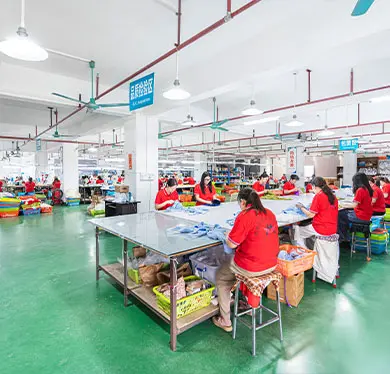
The swimwear industry is one of the most dynamic and lucrative sectors in global apparel. Launching a swimwear line or expanding an existing fashion brand into swimwear requires a clear understanding of the production process. Partnering with the right factory and navigating design, sourcing, and quality control are essential steps to success. This guide walks you through every stage of custom bikini manufacturing to help build a profitable, high-quality swimwear brand.
1. Defining Your Brand Identity and Target Market
Before starting production, establish your brand’s core identity and identify your ideal customers. Swimwear caters to diverse niches, including high-fashion luxury beachwear, performance athletic bikinis, eco-conscious sustainable lines, and inclusive plus-size collections.
Understanding Your Target Audience
Knowing your customer shapes every manufacturing choice—from fabric weights and elastic tension to hardware finishes and cut styles. Ask yourself:
- What price point does your target demographic expect?
- Are your customers looking for active, high-coverage support or trendy, minimal-coverage cuts?
- Is sustainability a primary selling point for your audience?
Product Line Planning
Instead of overwhelming your budget with too many designs initially, start with a focused capsule collection. A well-curated launch lineup typically consists of:
- 3 to 5 core bikini top styles (e.g., triangle, bandeau, scoop neck, underwire)
- 3 to 5 matching bottom options (e.g., high-waisted, cheekier cuts, side-tie bottoms)
- Coordinated colorways, custom prints, or solid tones
2. Choosing the Right Custom Bikini Manufacturing Partner
Selecting the right production partner is one of the most critical decisions for your business. The ideal manufacturer acts as a long-term strategic partner rather than just an order supplier.
OEM vs. ODM Manufacturing
- OEM (Original Equipment Manufacturer): You provide complete tech packs, patterns, and fabric specifications. The manufacturer produces items exactly according to your detailed technical blueprints.
- ODM (Original Design Manufacturer): The manufacturer provides ready-made designs and styles. You add your brand labels, custom colors, or minor design tweaks.
Key Factors to Evaluate in a Manufacturer
When vetting potential manufacturing partners, evaluate the following criteria:
- Swimwear Expertise: Swimwear requires specialized machinery (such as coverstitch and flatlock machines) and experience handling stretch fabrics. General garment manufacturers may lack the expertise needed for high-quality swimwear.
- Minimum Order Quantities (MOQs): Startup brands should seek manufacturers offering low MOQs (e.g., 50 to 100 pieces per style/color) to minimize inventory risk.
- Ethical Standards & Certification: Ensure the factory adheres to fair labor practices and holds relevant industry certifications (such as BSCI, OEKO-TEX, or GOTS).
- Communication and Timelines: Reliable communication, transparent lead times, and clear prototyping policies are vital for smooth production runs.
3. Materials Sourcing and Sustainable Options
Swimwear requires high-performance, stretchable fabrics that withstand harsh environmental elements like salt water, chlorine, UV radiation, and sunscreen oils.
High-Performance Fabrics
The standard construction for premium custom bikini manufacturing relies on synthetic fiber blends:
- Nylon (Polyamide) & Spandex (Elastane): The industry gold standard for soft hand-feel, rich color depth, excellent shape retention, and stretch.
- Polyester & Spandex: Ideal for vibrant digital sublimation printing and offering superior chlorine resistance, making it suitable for active swimwear lines.
Sustainable and Eco-Friendly Fabrics
Eco-friendly textiles have moved from a niche preference to a mainstream market expectation. Popular sustainable swimwear materials include:
- Econyl®: A regenerated nylon yarn made from ocean waste, discarded fishing nets, and industrial plastic debris.
- Repreve®: A high-quality performance fiber made from recycled plastic bottles.
Trims and Hardware Selection
Quality swimwear is defined by its details. Select hardware engineered specifically for marine and pool environments:
- Chlorine and Salt-Resistant Hardware: Use coated metal or premium plastic rings, sliders, clasps, and underwires that resist rusting, tarnishing, and overheating in direct sunlight.
- Rubber Elastic: High-grade chlorine-resistant swimwear rubber elastic ensures structural integrity, shape retention, and snug edge finishing.
4. Tech Packs and Pattern Making
A technical package (tech pack) serves as the master blueprint for your custom bikini manufacturing run. It eliminates guesswork and reduces costly errors during sampling and mass production.
Essential Components of a Swimwear Tech Pack
- Technical Illustrations: Flat sketches showing front, back, and interior views with construction details.
- Bill of Materials (BOM): A comprehensive list detailing every fabric, lining, thread, tag, hygiene sticker, and piece of hardware required.
- Measurement Specs & Size Charts: Detailed point-to-point dimensions for your base size.
- Colorways & Artwork Placement: Precise Pantone (TCX/TPG) color codes, digital print scale files, and logo placements.
Pattern Creation and Grading
Expert pattern makers translate your design sketches into three-dimensional garments. Once the base size pattern (typically Size Small or Medium) is perfected, the patterns are graded into the rest of your size range (XS through XL or extended sizing). Proper grading maintains consistent fit standards across all sizes.
5. The Sampling Phase
Never skip the sampling phase. Prototyping allows you to test the fit, structural integrity, and aesthetic appeal of your designs before committing capital to bulk production.
Sampling Milestones
- Proto Sample (Fit Sample): Built to evaluate the cut, pattern fit, and general construction using available in-stock fabrics.
- Sales/Pre-Production Sample (PPS): Produced using your actual custom fabrics, colors, prints, trims, and branded labels. This represents the exact quality of your final mass production.
Fit Testing & Stress Testing
Conduct fit tests on real human fit models across different body types rather than relying solely on mannequins. Test how the bikinis perform in movement, evaluate stretch recovery, check for sea-through issues when wet, and test hardware durability.
6. Mass Production and Quality Control
Once Pre-Production Samples are fully approved, bulk custom bikini manufacturing begins.
The Production Pipeline
- Fabric Inspection & Cutting: Bulk fabrics are inspected for defects, unrolled to relax tension, and cut using precision digital or manual cutting tools.
- Printing & Dyeing: Custom solid colors are dyed, and prints are applied via sublimation or screen printing.
- Assembly & Stitching: Skilled garment workers assemble the pieces using specialized stretch-stitching machinery.
- Hygiene & Branding: Branded main labels, care/content tags, and protective hygiene liners are applied to bikini bottoms.
Quality Assurance (QA) and Quality Control (QC)
Implement strict inspection protocols throughout production:
- Inline Inspection: Checking seams, elasticity, and stitching tension during assembly.
- Final AQL (Acceptable Quality Limit) Inspection: Random sampling of finished products to verify measurements, stitching neatness, packaging, and label accuracy before factory release.
Building a Scalable Swimwear Brand
Mastering custom bikini manufacturing takes preparation, attention to detail, and reliable supply chain partners. By focusing on detailed tech packs, sourcing resilient materials, conducting rigorous fit testing, and selecting an experienced manufacturing partner, your fashion brand can deliver premium swimwear products that build customer loyalty and stand out in the market.