

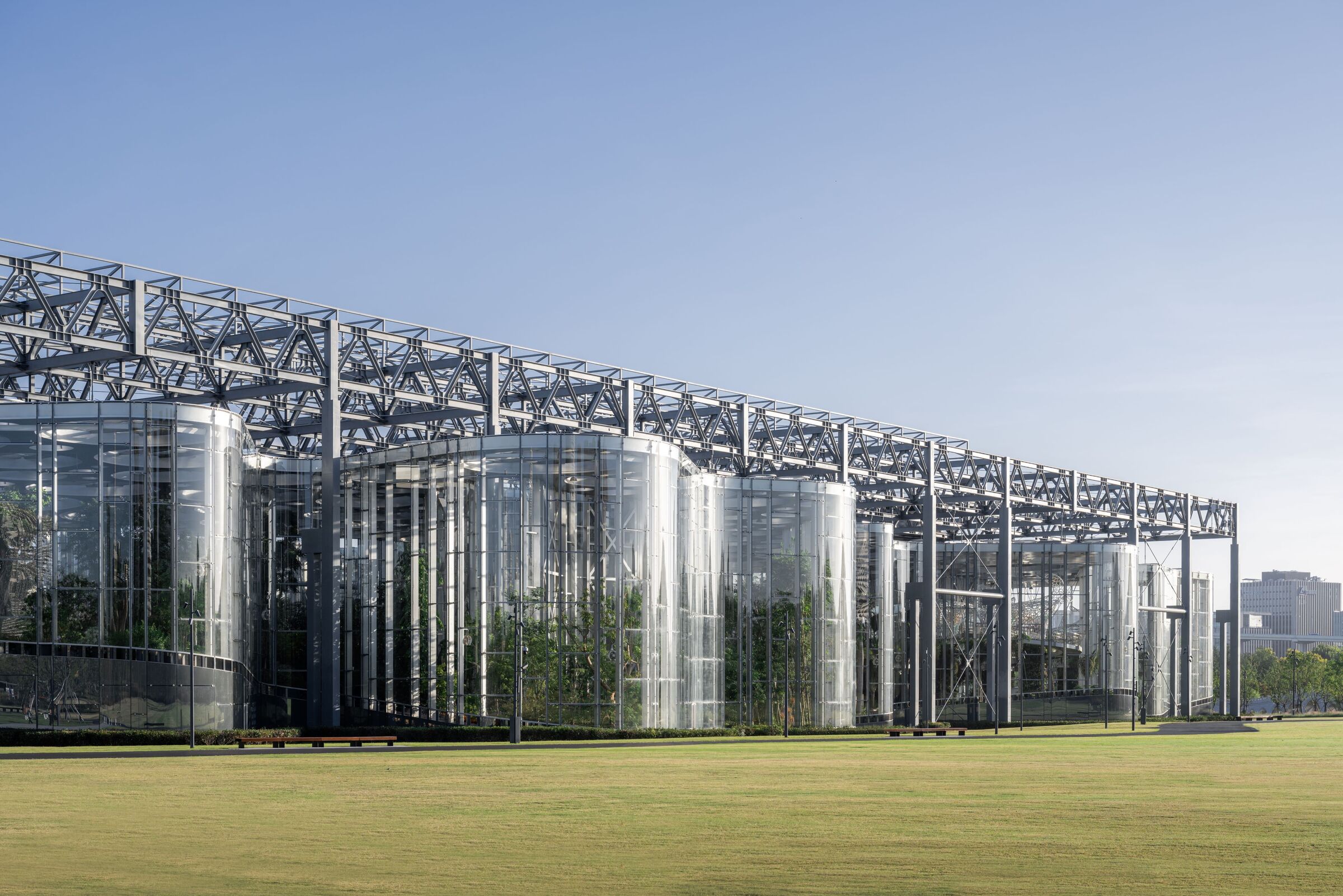
Rapid Expansion of China Greenhouse Farming Systems
The global demand for efficient and sustainable food production is pushing agriculture toward controlled-environment farming, and the china greenhouse sector is becoming one of the most influential drivers of this transformation in 2026. Across provinces like Shandong, Jiangsu, and Hebei, greenhouse cultivation is expanding rapidly as farmers and agribusinesses adopt advanced structures to improve yield stability and reduce dependence on unpredictable weather patterns.
The china greenhouse industry is no longer limited to basic plastic tunnel farming. Instead, it now includes high-tech glasshouses, automated climate-controlled systems, and hybrid structures designed to maximize productivity per square meter. This expansion is closely tied to government support policies that encourage modern agricultural infrastructure and rural modernization initiatives.
Smart Agriculture Technologies Transforming China Greenhouse Systems
One of the most significant trends in the china greenhouse industry is the integration of smart agriculture technologies. Internet of Things (IoT) sensors, artificial intelligence (AI), and big data analytics are being widely used to monitor temperature, humidity, soil nutrients, and irrigation needs in real time.
Modern china greenhouse operations are increasingly automated. Farmers can now control ventilation systems, shading screens, and irrigation schedules through mobile applications. AI-based predictive systems help growers anticipate crop diseases and optimize growth cycles, reducing losses and improving efficiency.
Robotics is also entering the china greenhouse landscape, especially in large-scale commercial farms. Automated planting, harvesting, and packaging systems are reducing labor dependency while improving consistency in production quality.
Sustainability and Eco-Friendly Greenhouse Design in China
Sustainability is becoming a core focus of the china greenhouse industry in 2026. With rising concerns about carbon emissions and environmental degradation, greenhouse developers are prioritizing energy-efficient and eco-friendly solutions.
Solar-powered heating systems are increasingly used in northern regions where winters are harsh. Water recycling systems are also becoming standard in modern china greenhouse facilities, allowing farms to reuse irrigation water and reduce waste.
Additionally, biodegradable materials and recyclable plastics are replacing traditional greenhouse coverings. These innovations are not only environmentally responsible but also cost-effective in the long run, helping farmers reduce operational expenses while maintaining productivity.
Vertical Farming Integration Within China Greenhouse Models
Another emerging trend in the china greenhouse sector is the integration of vertical farming techniques. As urban populations grow and arable land becomes more limited, vertical farming inside greenhouse environments is offering a practical solution for high-density food production.
Multi-layer growing systems are now being installed inside advanced china greenhouse facilities, especially near major urban centers like Beijing, Shanghai, and Shenzhen. These systems allow crops such as leafy greens, herbs, and strawberries to be cultivated in stacked layers under controlled lighting conditions.
This hybrid approach between traditional greenhouse farming and vertical agriculture is significantly increasing output per square meter, making the china greenhouse model more efficient and scalable for future food demands.
Export Growth and Global Market Influence of China Greenhouse Industry
The china greenhouse industry is also playing a major role in global agricultural exports. China is not only using greenhouse systems to improve domestic food security but is also exporting greenhouse technology, equipment, and agricultural expertise to developing countries.
Manufacturers of greenhouse steel frames, climate control systems, and hydroponic equipment are experiencing strong international demand. As a result, the china greenhouse supply chain is becoming increasingly globalized.
Many countries in Asia, Africa, and the Middle East are adopting Chinese greenhouse models due to their affordability and adaptability to different climates. This global influence is positioning the china greenhouse sector as a key player in modern agricultural development worldwide.
Hydroponics and Soil-Free Cultivation Advancements
Hydroponic farming is another transformative trend shaping the china greenhouse industry in 2026. Soil-free cultivation methods are becoming increasingly popular due to their ability to conserve water and accelerate plant growth cycles.
In hydroponic china greenhouse systems, plants are grown in nutrient-rich water solutions rather than traditional soil. This allows for precise control over nutrient delivery and reduces the risk of soil-borne diseases.
Many commercial farms are combining hydroponics with greenhouse automation, resulting in highly efficient production systems. Leafy vegetables, tomatoes, and cucumbers are among the most commonly grown crops in these advanced china greenhouse environments.
Government Policies and Investment in China Greenhouse Development
Government support remains a critical driver of growth in the china greenhouse industry. National agricultural policies continue to promote modernization, food security, and rural development through subsidies and investment programs.
Local governments are also providing financial incentives for farmers to adopt china greenhouse technologies. These incentives include tax reductions, low-interest loans, and technical training programs aimed at improving agricultural productivity.
Public-private partnerships are further accelerating the development of large-scale china greenhouse projects, particularly in regions facing land and water scarcity challenges. This strong policy backing ensures continued expansion of the sector in the coming years.
Challenges Facing China Greenhouse Industry in 2026
Despite rapid growth, the china greenhouse industry still faces several challenges. High initial investment costs remain a barrier for small-scale farmers who struggle to adopt advanced greenhouse technologies.
Energy consumption is another concern, especially for climate-controlled china greenhouse systems that require constant heating, cooling, and lighting. Although renewable energy solutions are improving efficiency, operational costs can still be significant.
Additionally, technical expertise is required to manage smart greenhouse systems effectively. The lack of trained agricultural technicians in some rural areas can slow down adoption and limit productivity gains.
Future Outlook of China Greenhouse Agriculture
The future of the china greenhouse industry in 2026 and beyond looks highly promising. With continuous advancements in automation, sustainability, and digital agriculture, greenhouse farming is expected to become one of the dominant forms of food production in China.
Integration with artificial intelligence, blockchain-based supply chain tracking, and climate-resilient farming techniques will further strengthen the china greenhouse ecosystem. As global food demand continues to rise, China’s greenhouse industry will likely play a central role in ensuring stable and efficient food production systems.
In conclusion, the china greenhouse industry is undergoing a major transformation driven by technology, sustainability, and global market expansion. These trends are reshaping modern agriculture and positioning greenhouse farming as a key solution for the future of food security.