

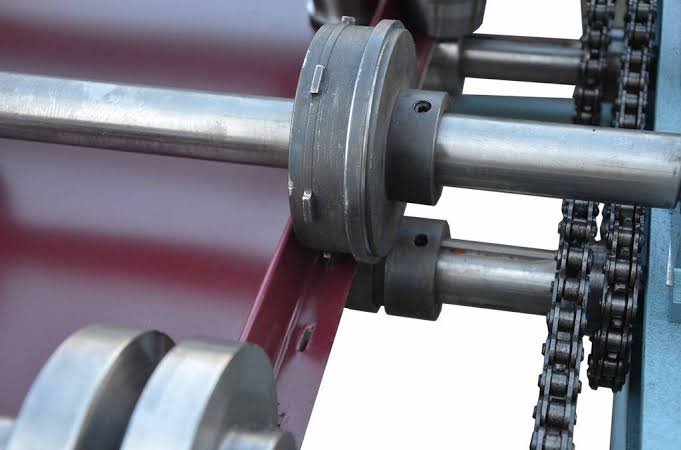
The roofing industry continues to evolve as construction companies demand durable, attractive, and energy-efficient roofing solutions. Standing seam metal roofing has become a popular choice for commercial, industrial, agricultural, and residential buildings because of its strength, weather resistance, and modern appearance. To meet this growing demand, manufacturers need reliable equipment capable of producing high-quality roofing panels with accuracy and consistency. Choosing the right standing seam roll formers is therefore an important decision for businesses looking to improve manufacturing efficiency, reduce production costs, and maintain product quality.
However, selecting suitable machinery requires careful consideration of several factors, including production capacity, material compatibility, automation features, machine durability, and maintenance requirements. Understanding these elements can help manufacturers invest in equipment that supports long-term business growth.
Understanding Standing Seam Roll Formers
Standing seam roll formers are specialized machines designed to transform flat metal coils into roofing panels with raised interlocking seams. These seams connect adjacent panels while concealing most fasteners, creating a clean appearance and improving protection against water penetration.
The manufacturing process involves feeding metal sheets through multiple roller stations. Each station gradually shapes the material until it reaches the required profile. The finished panels are then cut to specific lengths according to project requirements.
These machines are commonly used to process materials such as galvanized steel, aluminum, and coated metals. Their ability to produce consistent profiles makes them essential equipment for roofing manufacturers that handle large orders or customized construction projects.
Evaluate Your Production Requirements
Before purchasing machinery, manufacturers should clearly identify their production requirements. Every roofing business operates differently, and equipment that works well for one manufacturer may not be suitable for another.
Determine Your Required Production Capacity
Production capacity is one of the first factors to evaluate. Businesses handling large commercial roofing projects may require high-speed machines capable of producing substantial quantities of panels within limited timeframes.
Smaller manufacturers may benefit from compact equipment with moderate production speeds. Selecting a machine that matches actual demand helps businesses avoid unnecessary investment while maintaining sufficient production capacity.
It is also important to consider future expansion. A machine with flexible operating capabilities can support increasing orders without requiring an immediate equipment upgrade.
Consider Panel Dimensions and Profiles
Standing seam roofing systems are available in different widths, heights, and configurations. Manufacturers should select equipment capable of producing the panel profiles commonly requested by their customers.
Some machines offer adjustable settings that allow operators to manufacture different panel widths. This flexibility is particularly valuable for businesses serving multiple construction markets.
Check Material Compatibility
Material compatibility directly affects the performance and versatility of roofing manufacturing equipment. Different metals have different thicknesses, strengths, and forming characteristics.
Select Equipment for Different Metal Types
Aluminum is lightweight and naturally resistant to corrosion, making it suitable for various roofing applications. Galvanized steel provides strength and durability, while pre-painted steel offers additional design flexibility.
Manufacturers should confirm that their selected equipment can process the materials they intend to use. The machine’s rollers, forming stations, and feeding system should be designed to handle the required metal specifications.
Verify Material Thickness Capacity
Metal thickness is another important consideration. Equipment designed for thin roofing sheets may not perform effectively when processing thicker materials.
Reviewing the machine’s minimum and maximum material thickness specifications helps prevent unnecessary strain and inconsistent panel production. Choosing appropriate machinery also reduces the possibility of material deformation during the forming process.
Examine Machine Quality and Construction
The overall construction of a roll forming machine influences its accuracy, stability, and operational lifespan. Manufacturers should prioritize equipment built with durable components and high-quality materials.
Inspect the Frame and Roller System
A strong machine frame helps minimize vibration during production. Reduced vibration contributes to more consistent forming results and improves the stability of the equipment during continuous operation.
Roller quality is equally important. Precision-engineered rollers help maintain accurate panel dimensions and consistent seam configurations. Poorly manufactured rollers may create uneven profiles, scratches, or other defects.
Consider Long-Term Durability
Industrial roofing equipment often operates for extended periods. Manufacturers should therefore examine the quality of motors, bearings, shafts, electrical components, and transmission systems.
Reliable components can reduce unexpected breakdowns and maintenance expenses. Investing in durable standing seam roll formers can help businesses maintain dependable production schedules over time.
Look for Advanced Automation Features
Modern manufacturing facilities increasingly rely on automation to improve productivity and reduce manual intervention. Advanced roll forming equipment includes several features that simplify production operations.
CNC Control Systems
Computer numerical control systems allow operators to manage production settings with greater precision. Depending on the machine configuration, operators can adjust panel lengths, production quantities, and other manufacturing parameters through a digital interface.
These systems help reduce manual measurement errors and improve repeatability when producing multiple roofing panels.
Automatic Cutting Systems
Automatic cutting systems provide accurate panel lengths while minimizing the need for manual cutting. They can improve workflow efficiency and reduce material waste when properly configured.
Manufacturers handling customized roofing orders should consider machines with programmable cutting functions because these features make it easier to switch between different production requirements.
User-Friendly Operating Interfaces
An intuitive control panel simplifies machine operation and training. Clear displays, accessible controls, and safety monitoring features can help operators manage production more effectively.
Assess Production Speed and Manufacturing Efficiency
Production speed directly influences how quickly manufacturers can complete customer orders. However, selecting the fastest machine is not always the best decision.
Businesses should evaluate the relationship between operating speed and finished product quality. A machine that produces panels quickly but creates inconsistent profiles may increase rejection rates and waste.
The best standing seam roll formers balance speed, accuracy, and operational stability. Manufacturers should also examine setup times, coil-loading procedures, cutting performance, and material handling capabilities.
Efficient equipment should support a smooth workflow from raw material feeding to finished panel collection. Reducing unnecessary interruptions can improve overall productivity and help businesses meet demanding project deadlines.
Evaluate Maintenance and Technical Support
Regular maintenance is essential for keeping industrial machinery in good working condition. Before purchasing equipment, manufacturers should understand its maintenance requirements and the availability of technical assistance.
Review Maintenance Requirements
Important maintenance activities may include lubricating moving components, inspecting roller alignment, checking electrical connections, and cleaning material feeding systems.
A machine with accessible components and straightforward maintenance procedures can reduce servicing time. Manufacturers should also request operating manuals and maintenance schedules from the equipment supplier.
Check Spare Parts Availability
Spare parts availability can significantly influence production continuity. Delays in obtaining replacement components may interrupt manufacturing operations and affect delivery schedules.
Businesses should choose suppliers that provide reliable access to essential parts, technical documentation, and troubleshooting assistance.
Consider After-Sales Support
Professional technical support helps manufacturers resolve operational issues more efficiently. Before making a purchase, evaluate the supplier’s installation services, operator training, warranty coverage, and response times.
A dependable supplier should provide assistance beyond the initial equipment sale.
Compare Equipment Costs and Return on Investment
Budget is an important factor when selecting roofing manufacturing machinery. However, focusing exclusively on the initial purchase price can lead to expensive decisions in the long term.
Manufacturers should compare the total cost of ownership, including installation, transportation, maintenance, energy consumption, replacement parts, and operator training.
A more expensive machine may offer better value if it provides greater production capacity, lower material waste, and improved reliability.
Businesses should also estimate the potential return on investment by considering expected production volumes, operating expenses, and customer demand.
Choosing equipment that delivers consistent performance can support profitability while helping manufacturers remain competitive.
Prioritize Workplace Safety
Industrial roll forming equipment contains moving rollers, cutting mechanisms, and electrical systems that require proper safety precautions.
Manufacturers should examine available safety guards, emergency stop buttons, protective covers, and electrical safety features before purchasing machinery.
Operators should receive appropriate training on machine operation, material handling, and emergency procedures. Wearing suitable personal protective equipment is also important.
A safe manufacturing environment helps reduce workplace accidents, protect employees, and maintain consistent production activities.
Choose a Reliable Machine Manufacturer
The equipment supplier plays an important role in the overall purchasing experience. Manufacturers should research potential suppliers and evaluate their industry experience, product quality, technical knowledge, and customer service.
Requesting product specifications, machine demonstrations, and customer references can provide useful information about equipment performance.
It is also beneficial to discuss customization options, production requirements, installation arrangements, and warranty conditions before finalizing an order.
Working with an experienced supplier can make equipment selection easier and help ensure that the machinery meets specific manufacturing objectives.
Conclusion
Choosing the best standing seam roll formers requires careful evaluation of production capacity, material compatibility, machine construction, automation, maintenance, safety, and overall costs. The right equipment can help roofing manufacturers produce accurate panels, minimize material waste, improve operational efficiency, and meet changing customer demands.
Businesses should look beyond the initial purchase price and focus on long-term performance, reliability, and technical support. By selecting machinery that matches their current requirements and future expansion plans, manufacturers can strengthen their production capabilities and build a more competitive roofing business. Investing in dependable roll forming technology is an important step toward achieving consistent quality and sustainable manufacturing growth.