

Introduction
Managing household electricity consumption has become increasingly important as energy prices rise and homeowners look for practical ways to reduce unnecessary usage. Many people know that appliances consume electricity, but they may not know exactly how much energy individual devices use throughout the day. A smart plug energy monitor can provide a simple solution by making electricity consumption more visible and understandable.
Instead of estimating energy use from appliance labels or monthly utility bills, homeowners can use a smart plug energy monitor to observe consumption in real time. This information can reveal which devices consume the most electricity, identify inefficient habits, and encourage better energy-management decisions. When combined with modern accessories such as a Power Strip With Usb-C Pd, smart power management can become even more convenient for households using multiple electronic devices.
Understanding Household Energy Consumption
Electricity usage often happens in small amounts across many devices. Televisions, computers, chargers, gaming systems, lamps, kitchen appliances, and other electronics can all contribute to household energy consumption. Some devices continue drawing electricity even when they appear to be turned off.
This can make it difficult for homeowners to understand where their energy is going. A monthly electricity bill provides the total amount consumed, but it usually does not explain which appliances contributed to that total.
A smart plug energy monitor addresses this problem by measuring electricity usage at the device level. Depending on the model, it may display information such as current power consumption, accumulated energy usage, voltage, and estimated electricity costs. Having access to this information gives homeowners a clearer picture of their everyday energy habits.
Making Invisible Energy Use Visible
One of the biggest advantages of an energy-monitoring smart plug is its ability to make invisible electricity consumption easier to understand. People may assume that a device uses very little power simply because it is small or rarely used. Actual measurements can sometimes reveal a different picture.
For example, a home office may contain a computer, monitor, speakers, printer, charger, and other accessories. Individually, each device may seem insignificant. Together, however, they can represent meaningful energy consumption.
By connecting selected devices to a smart plug energy monitor, homeowners can observe how much electricity those devices use during working hours, overnight, or when they are not actively being used. This encourages users to make decisions based on actual consumption rather than assumptions.
Identifying Energy-Hungry Appliances
Not every appliance consumes electricity at the same rate. Some devices require significantly more power than others, while certain equipment may consume energy continuously.
A smart plug energy monitor can help identify which appliances deserve attention. Homeowners can test individual devices and compare their energy consumption over similar periods.
For instance, someone might monitor a desktop computer during a typical workday and then compare its consumption with a laptop. Another household could measure entertainment equipment during active use and standby periods.
These comparisons can help users understand which devices have the greatest impact on electricity consumption. Once high-consumption equipment has been identified, homeowners can consider changing usage schedules, reducing standby operation, or replacing inefficient equipment when appropriate.
Encouraging Better Daily Habits
Energy awareness is not only about purchasing efficient appliances. Everyday habits can also influence electricity consumption. Leaving electronics running unnecessarily, forgetting to turn off equipment, and keeping chargers connected continuously are common examples.
A smart plug energy monitor provides feedback that can make these habits easier to recognize. When people can see the results of their actions, they may become more motivated to make small changes.
For example, a household may discover that a particular entertainment setup consumes electricity for many hours even when nobody is actively using it. This information could encourage the family to switch the equipment off completely when leaving the room.
Over time, small behavioral changes can become routine. The main value of monitoring is therefore not simply collecting data but turning that data into better household decisions.
Supporting Smarter Device Management
Smart plugs can provide more than energy measurements. Many models also allow users to control connected devices remotely or create schedules. These features can support more organized energy management.
A homeowner could schedule selected electronics to turn off at a particular time each night. Devices that do not need to remain powered continuously can therefore be managed automatically.
This can be especially useful in bedrooms, home offices, entertainment areas, and other spaces containing several electronic devices. Instead of relying entirely on memory, users can create consistent routines that reduce unnecessary operation.
The Role of a Power Strip With Usb-C Pd
Modern households often contain several devices that require charging. Smartphones, tablets, wireless accessories, laptops, and other electronics can create a crowded collection of chargers and cables.
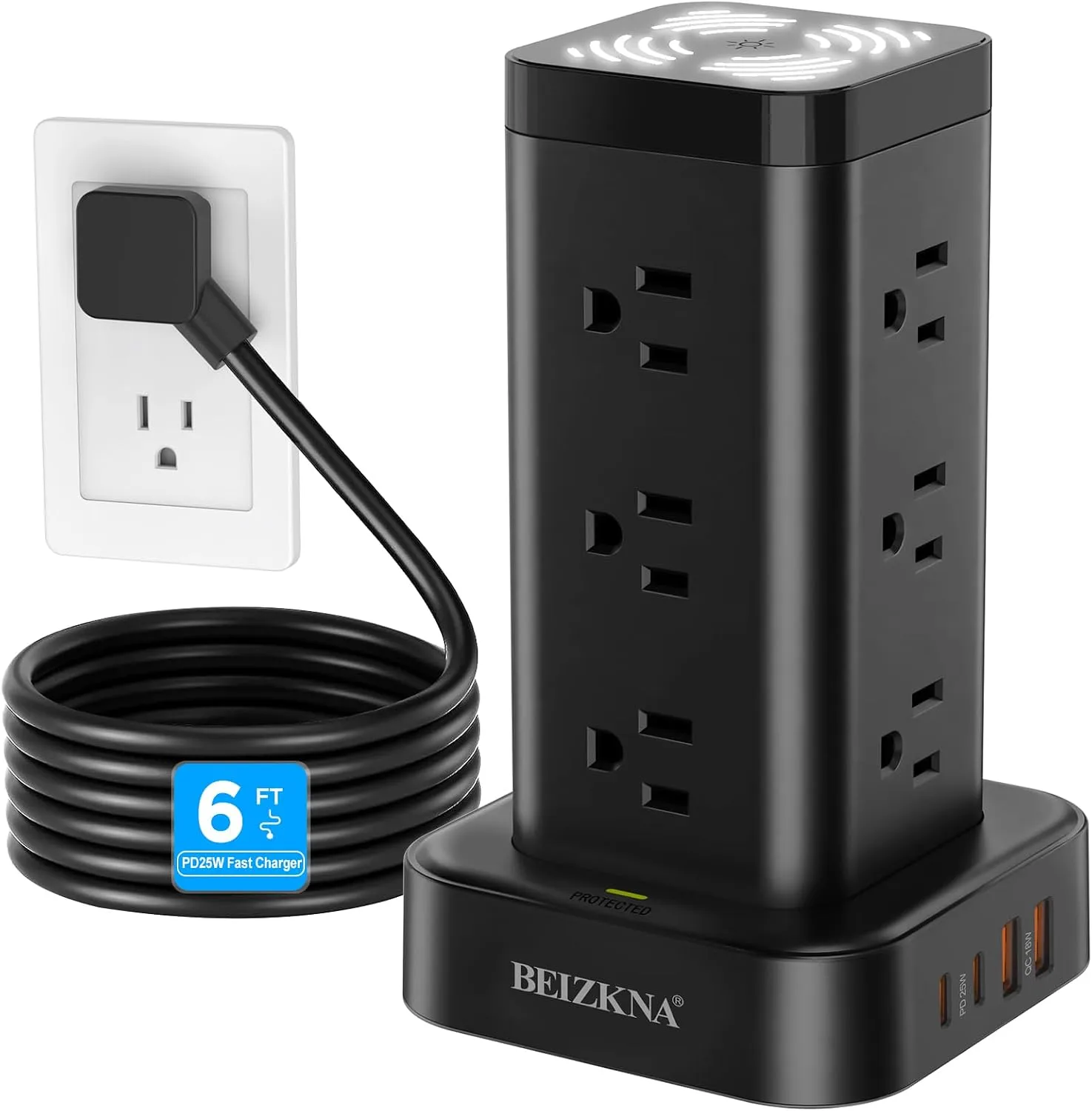
A Power Strip With Usb-C Pd can provide a convenient way to organize charging equipment while supporting compatible USB-C devices. USB-C Power Delivery can provide appropriate charging power to supported devices, depending on the specifications of the power strip and connected equipment.
When used alongside energy-monitoring practices, such a power strip can help households think more carefully about how and where devices are powered. Instead of having multiple separate charging adapters occupying outlets, a centralized charging area can make device management more organized.
However, users should always check the power strip’s rated capacity and the requirements of connected equipment before using multiple high-power devices simultaneously.
Understanding Standby Power
Standby power is another area where energy monitoring can improve awareness. Some electronic devices continue drawing a small amount of electricity when they are switched off but remain connected to an outlet.
The amount used by an individual device may be relatively small, but several devices operating in standby mode can add to household consumption over time.
A smart plug energy monitor can help homeowners determine whether standby consumption is significant for particular equipment. Rather than assuming that every device consumes a meaningful amount of standby electricity, users can measure their actual equipment and decide where action is worthwhile.
Helping Families Build Energy Awareness
Energy awareness can become a shared household responsibility. Parents can use monitoring information to teach children about electricity consumption, while families can establish simple goals for reducing unnecessary usage.
For example, family members could identify devices that are frequently left running and create a household rule for switching them off after use. This turns energy efficiency into a practical daily activity rather than an abstract environmental concept.
The educational value can be particularly useful because it connects everyday actions with measurable results. When users can see how changes affect consumption, energy conservation becomes easier to understand.
Making Informed Purchasing Decisions
Energy monitoring can also influence future purchasing decisions. When homeowners understand which appliances consume the most electricity, they may become more attentive to efficiency when replacing older equipment.
Instead of choosing a product based solely on purchase price, consumers can consider expected energy consumption, usage patterns, and long-term operating costs. This approach can help households make more informed decisions.
Smart energy monitoring therefore supports both immediate behavioral improvements and longer-term planning.
Conclusion
A smart plug energy monitor can improve household energy awareness by turning electricity consumption into information that people can easily observe and understand. It can help identify energy-hungry devices, reveal standby consumption, encourage better daily habits, and support smarter control of connected electronics.
When combined with organized charging accessories such as a Power Strip With Usb-C Pd, households can create a more convenient and thoughtful approach to managing modern electronics. The greatest benefit of energy monitoring is not simply knowing how much electricity a device uses. It is using that knowledge to make practical decisions.
By measuring consumption, recognizing inefficient patterns, and developing consistent energy-saving habits, homeowners can gain greater control over their electricity use and build a more informed approach to household energy management.