

Introduction
Food packaging plays an important role in the success of food businesses, from small bakeries and restaurants to large food manufacturing companies. Packaging does more than simply hold products; it protects food quality, maintains freshness, supports safe transportation, and creates a positive impression on customers. As competition continues to grow in the food industry, businesses need packaging solutions that combine durability, affordability, functionality, and attractive designs.
Choosing the right Food packaging boxes wholesale supplier can make a significant difference in daily operations and long-term business growth. A dependable supplier provides consistent product quality, competitive pricing, flexible customization, and timely deliveries. However, not every supplier offers the same level of service or manufacturing standards. Understanding the essential factors that distinguish a reliable packaging partner can help businesses make informed purchasing decisions.
Consistent Packaging Quality and Durability
One of the most important qualities of a professional packaging supplier is consistent product quality. Food boxes must be strong enough to protect their contents during storage, handling, and transportation. Weak packaging can become damaged easily, resulting in food waste, customer complaints, and unnecessary expenses.
A reputable supplier uses suitable materials that provide adequate strength and durability. Depending on the application, these materials may include corrugated cardboard, kraft paper, food-grade paperboard, and other approved packaging materials.
Consistency is equally important. Businesses purchasing packaging in bulk expect every box to meet the same specifications. Differences in thickness, dimensions, printing quality, or structural strength can create operational difficulties. Therefore, selecting a supplier with reliable quality control procedures is essential.
Food Safety and Material Standards
Food safety should always remain a priority when selecting packaging products. Packaging materials must be suitable for their intended use and comply with applicable food-contact regulations. This is particularly important for businesses selling baked goods, takeaway meals, frozen products, snacks, and other consumable items.
A professional supplier understands the importance of appropriate material selection. Packaging intended for direct food contact should meet relevant safety requirements and should not transfer harmful substances to food under its intended conditions of use.
Businesses should also consider moisture resistance, grease resistance, and temperature suitability. For example, takeaway containers may require materials that can handle warm meals without losing their structural integrity. Similarly, bakery packaging should protect delicate products while maintaining suitable ventilation when necessary.
Working with a supplier that understands these requirements helps businesses maintain customer confidence and protect their reputation.
Competitive Wholesale Pricing
Pricing is another major factor that influences purchasing decisions. Food businesses frequently require large quantities of packaging, making wholesale pricing an important consideration. However, choosing the cheapest option does not always provide the best value.
A dependable Food packaging boxes wholesale supplier offers transparent pricing based on material quality, order quantity, customization requirements, and production complexity. This allows customers to understand what they are paying for and compare different options effectively.
Wholesale purchasing can also help businesses reduce their packaging costs. Suppliers may offer better unit prices for larger orders, helping restaurants, retailers, and manufacturers manage their operating budgets.
It is important to consider the overall value rather than focusing exclusively on the initial price. Durable packaging can reduce product damage, while reliable delivery services can prevent costly interruptions. A slightly higher investment may provide better long-term savings when quality and service are considered together.
Customization and Branding Opportunities
Packaging is also an important marketing tool. Attractive designs help products stand out on store shelves, encourage customer recognition, and communicate brand identity.
A professional supplier should provide customization options that allow businesses to create packaging suited to their products and branding requirements. These options may include different box sizes, shapes, colors, printing styles, finishes, and structural designs.
Custom packaging can display important business information, including company logos, product names, ingredients, handling instructions, and promotional messages. High-quality printing creates a professional appearance and helps businesses establish a recognizable identity.
For example, a bakery may prefer elegant boxes with attractive graphics, while a takeaway restaurant may require practical packaging featuring its logo and contact information.
A supplier with flexible customization capabilities can help businesses develop packaging that combines visual appeal with everyday functionality.
Wide Range of Packaging Options
Different food products require different packaging solutions. A supplier offering a broad product range makes it easier for businesses to source multiple packaging products from one place.
Available options may include:
- Bakery boxes for cakes, pastries, cookies, and other baked products.
- Takeaway boxes for restaurant meals and fast food.
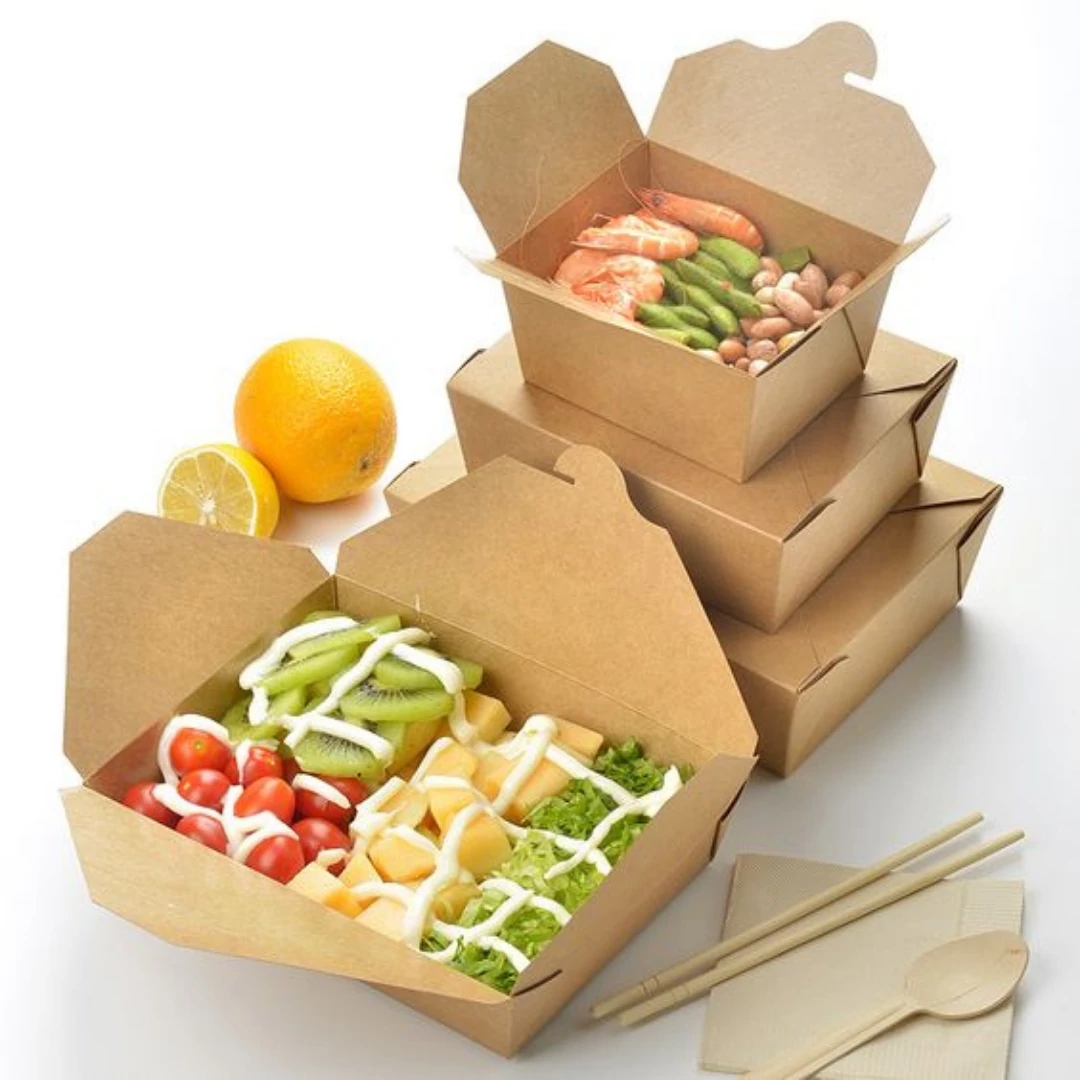
- Kraft paper boxes for environmentally conscious packaging needs.
- Corrugated boxes for shipping and transportation.
- Snack boxes for packaged food products.
- Custom printed boxes for retail presentation and brand promotion.
Having access to different packaging styles allows businesses to select products according to their specific requirements.
A versatile supplier can also recommend appropriate materials and box structures based on product weight, dimensions, storage conditions, and transportation methods.
Reliable Production Capacity and Timely Delivery
Timely delivery is essential for businesses that depend on regular packaging supplies. A shortage of boxes can interrupt production, delay customer orders, and negatively affect sales.
A reliable supplier should have sufficient production capacity to handle both small and large wholesale orders. Businesses should evaluate manufacturing capabilities, order processing procedures, and estimated delivery schedules before entering into long-term purchasing agreements.
Clear communication is equally important. Suppliers should provide realistic production timelines and inform customers about any unexpected delays.
Inventory management can also improve the relationship between suppliers and buyers. Businesses with predictable packaging requirements may benefit from scheduled orders and advance purchasing arrangements.
Choosing a supplier that consistently meets delivery commitments helps businesses maintain smooth operations and avoid unnecessary supply chain problems.
Environmentally Responsible Packaging Solutions
Sustainability has become an increasingly important consideration in the packaging industry. Many businesses are looking for ways to reduce waste and adopt more environmentally responsible practices.
Suppliers that offer recyclable, responsibly sourced, or compostable packaging options can help businesses explore more sustainable alternatives. Kraft paper and certain paperboard materials are commonly considered for applications where suitable recycling or disposal systems are available.
However, businesses should evaluate environmental claims carefully. Not every product described as eco-friendly is suitable for every disposal system. Factors such as coatings, adhesives, material composition, and local recycling facilities can influence environmental performance.
A knowledgeable supplier should provide clear information about material properties and available certifications. This enables businesses to select packaging that supports their sustainability goals without compromising product protection.
Strong Customer Service and Communication
Excellent customer service is another quality that separates professional suppliers from ordinary packaging vendors. Purchasing wholesale packaging often involves discussions about product dimensions, printing specifications, quantities, delivery schedules, and pricing.
A responsive supplier makes this process easier by answering questions, providing accurate information, and helping customers identify suitable solutions.
Businesses should look for suppliers that offer clear quotations, product samples when available, and professional assistance throughout the ordering process.
Communication becomes especially important when ordering customized packaging. Confirming artwork, dimensions, material specifications, and production requirements before manufacturing can help prevent mistakes.
A supplier that values customer relationships is more likely to support long-term business partnerships and respond effectively when requirements change.
Quality Control and Product Testing
Professional packaging manufacturers understand that quality must be monitored throughout the production process. Quality control helps identify defects before products reach customers.
Important inspection areas may include box dimensions, material thickness, printing accuracy, folding strength, adhesive performance, and overall finishing.
Depending on the packaging application, testing may also evaluate resistance to moisture, grease, compression, or handling conditions.
Businesses should ask potential suppliers about their inspection procedures and whether they can provide samples before large orders are placed. Testing sample products under actual working conditions can help determine whether the packaging meets practical requirements.
Reliable quality control reduces waste, protects food products, and improves purchasing confidence.
Flexibility and Ability to Support Business Growth
A business’s packaging needs may change as its product range expands or customer demand increases. A small food company may initially require limited quantities but eventually need larger wholesale orders and more advanced customization.
A dependable supplier should be flexible enough to accommodate changing requirements whenever possible. This may involve adjusting box dimensions, introducing new designs, increasing production volumes, or supporting seasonal packaging projects.
Flexible order arrangements are particularly valuable for businesses introducing new products or testing different packaging concepts.
Building a long-term relationship with a capable supplier can also simplify purchasing decisions. Familiarity with product specifications, quality expectations, and delivery requirements helps reduce repeated discussions and improves efficiency.
Conclusion
Selecting the right Food packaging boxes wholesale supplier involves more than comparing prices. Businesses should evaluate product quality, food safety, customization options, manufacturing capacity, delivery reliability, sustainability, and customer service.
A professional supplier provides packaging that protects food products while supporting efficient operations and effective brand presentation. Consistent quality control and flexible production capabilities further contribute to a dependable supply chain.
By carefully assessing these essential factors, restaurants, bakeries, retailers, and food manufacturers can establish valuable supplier relationships. The right packaging partner can help reduce operating challenges, improve customer experiences, maintain product quality, and support sustainable business growth in an increasingly competitive food industry.