

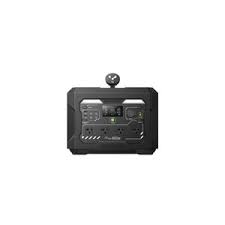
Choosing the right generator size for a refrigerator is important when you want reliable backup power without spending more money than necessary. Although a refrigerator generator size for a refrigerator may not use a large amount of electricity while running, its compressor requires a higher amount of power when it starts. This starting surge is one of the main reasons a generator that appears large enough on paper may struggle to operate a refrigerator properly.
Understanding running watts, starting watts, refrigerator types, and generator capacity can help you select a suitable backup power solution. Whether you need a generator for occasional power outages, a home backup system, or an off-grid application, calculating the refrigerator’s power requirements is a useful first step.
Understanding Refrigerator Power Consumption
A refrigerator normally operates in cycles rather than continuously. The compressor turns on to cool the refrigerator and then switches off once the desired temperature is reached. Because of this cycling behavior, the refrigerator’s average electricity consumption can be considerably lower than its maximum operating demand.
Most household refrigerators have a relatively modest running power requirement. However, the compressor motor can temporarily require significantly more electricity when it starts. This temporary demand is known as starting watts, surge watts, or startup power.
For example, a refrigerator might require approximately 100 to 400 watts while operating, while its compressor could briefly demand considerably more during startup. The exact figures depend on the refrigerator’s size, design, age, efficiency, and compressor technology.
Because manufacturers use different components and technologies, checking the refrigerator’s specification label or owner’s manual is always the best way to determine its actual electrical requirements.
Running Watts vs. Starting Watts
When choosing a generator size for a refrigerator, it is important to understand the difference between running watts and starting watts.
Running watts are the amount of electricity an appliance needs while operating normally. A refrigerator may use relatively little power during its normal cooling cycle.
Starting watts are the additional power required for a short period when the compressor starts. This surge can be several times higher than the refrigerator’s normal running requirement.
A generator must be capable of handling both requirements. If the generator can provide enough running power but cannot handle the startup surge, the refrigerator may fail to start, the generator may overload, or the refrigerator may repeatedly attempt to restart.
What Generator Size Is Usually Suitable?
For a refrigerator by itself, a small portable generator may often be sufficient, provided it has enough starting capacity. However, the correct generator depends on the specific appliance and whether other electrical devices will be connected at the same time.
For example, a generator rated around 1,000 to 2,000 watts may be suitable for a refrigerator and a few small electrical devices, depending on their combined startup and running requirements.
If you want to operate a refrigerator along with lights, fans, a television, internet equipment, or other household appliances, a larger generator may be more practical.
A generator around 2,000 to 3,000 watts can provide additional capacity for several basic household loads. Larger systems may be necessary if you plan to power heating equipment, pumps, air conditioning, or other high-demand appliances.
The key is not to choose a generator solely based on the refrigerator’s running wattage.
How to Calculate Generator Requirements
Calculating the required generator capacity is relatively straightforward.
First, determine the refrigerator’s running wattage. Then estimate or find the manufacturer’s specified starting wattage. If the starting wattage is not available, consult the appliance manufacturer or a qualified electrician rather than relying on an uncertain estimate.
Next, add the running wattage of all other appliances you want to operate simultaneously.
For example, imagine your refrigerator requires 300 running watts and another appliance requires 200 running watts. Your continuous load would be approximately 500 watts. You would then need to make sure the generator can also accommodate the refrigerator’s startup surge and the startup requirements of other motor-driven appliances.
It is generally better to have some additional capacity instead of operating a generator continuously at its maximum rating.
Why Refrigerator Compressors Need Extra Power
The compressor is the most important consideration when determining the generator size for a refrigerator.
A compressor contains an electric motor. When the motor is already running, it can operate at its normal electrical demand. When it starts from a stopped position, however, it can require a brief surge of electricity.
Older refrigerators can sometimes have higher startup demands than newer energy-efficient models. Modern inverter refrigerators may have different power characteristics because their compressors can operate at variable speeds.
This is why two refrigerators with similar physical sizes can have different generator requirements.
Portable Generators for Refrigerators
Portable generators are commonly used during temporary power outages. They can be useful for keeping essential appliances operating when the main electrical supply is unavailable.
When selecting a portable generator, check both its continuous running rating and its surge or peak rating. The continuous rating tells you how much power the generator can provide over an extended period, while the surge rating indicates how much additional power it can temporarily provide.
A generator should also be operated according to the manufacturer’s safety instructions. Portable generators should never be operated inside a house, garage, basement, or other enclosed area because their exhaust can create dangerous carbon monoxide levels.
Place generators outdoors in an appropriate location away from doors, windows, and ventilation openings, following the manufacturer’s instructions and local safety requirements.
Inverter Generators and Refrigerator Backup
Inverter generators can be an attractive option for refrigerators and other household electronics. They typically produce electricity through an electronic conversion system that can provide stable power.
Many inverter generators can also adjust engine speed according to electrical demand. This may reduce fuel consumption and operating noise when the load is relatively low.
However, not every inverter generator has the same capacity. You still need to compare its running and surge ratings with the refrigerator’s requirements.
Consider the Other Appliances You Need
A common mistake is calculating the generator exclusively around the refrigerator. During an outage, you may also want to run lights, fans, a router, phone chargers, a television, or other essential equipment.
Motor-driven appliances such as freezers, water pumps, and some heating or cooling systems can also have startup surges.
Make a list of the appliances you expect to operate simultaneously. Write down their running watts and startup requirements where available. Then determine the maximum combination of loads that could occur at the same time.
This approach gives you a more realistic generator capacity requirement.
Choosing a Generator With Extra Capacity
It is usually sensible to leave some capacity above your calculated load. Running a generator constantly at or near its maximum output can make the system less flexible when additional appliances are needed.
Extra capacity can also help accommodate variations in startup demand. For example, a refrigerator compressor may start while another appliance is already operating.
However, buying an unnecessarily large generator can increase purchase cost, fuel consumption, transportation requirements, and maintenance needs. The goal is to choose a generator that provides sufficient power with a reasonable safety margin.
Check the Refrigerator Label
Before purchasing a generator, inspect the refrigerator’s information label. Depending on the manufacturer, the label may list voltage, amperage, wattage, or other electrical specifications.
If the refrigerator lists amps instead of watts, you can estimate power using the relationship:
Watts = Volts × Amps
For example, an appliance operating at 120 volts and drawing 3 amps would have an approximate running power of 360 watts. Actual requirements can vary, particularly with motors and power-factor considerations, so manufacturer specifications are preferable when available.
For appliances using different electrical systems, use the voltage and specifications appropriate to your region.
Final Thoughts
Finding the right generator size for a refrigerator requires more than looking at the appliance’s normal running power. The refrigerator’s compressor can create a temporary startup surge, so both running and starting requirements should be considered.
For a refrigerator alone, a relatively small generator may be adequate, but the exact capacity depends on the appliance. If you plan to operate lights, fans, electronics, pumps, or other appliances at the same time, calculate the combined load and choose a generator with enough additional capacity to handle startup demands.
Always check the refrigerator manufacturer’s specifications and the generator’s continuous and surge ratings before making a purchase. With careful planning, you can select a generator that keeps your refrigerator operating reliably during power outages while avoiding unnecessary generator capacity.