

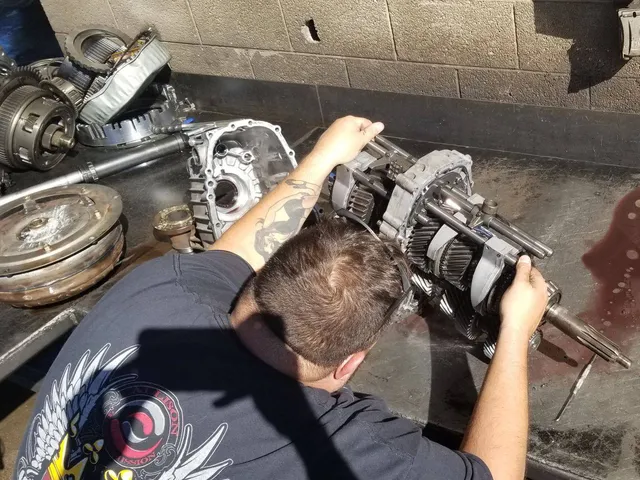
A vehicle’s transmission plays a critical role in transferring power from the engine to the wheels. Whether a car uses an automatic, manual, or continuously variable transmission, this system must operate smoothly to provide reliable acceleration, proper shifting, and efficient performance. Because transmissions contain numerous moving components and rely on specialized fluid for lubrication and hydraulic operation, problems can develop when parts wear out, fluid levels become low, or leaks are ignored.
For Phoenix drivers, recognizing early warning signs can help prevent minor transmission concerns from becoming expensive repairs. One of the most common issues is fluid leakage. Understanding the causes of transmission problems and knowing when to seek transmission leak repair Phoenix services can help protect your vehicle and improve long-term driving reliability.
Understanding the Importance of Transmission Fluid
Transmission fluid is essential for keeping internal components lubricated and functioning properly. In automatic transmissions, it also helps create hydraulic pressure needed for gear changes. The fluid reduces friction, carries heat away from components, and helps keep internal parts operating within appropriate temperature ranges.
When transmission fluid leaks, the system gradually loses one of its most important resources. A small leak may initially seem harmless, but continued fluid loss can cause overheating, delayed shifting, slipping gears, and internal damage.
Phoenix’s hot climate can make transmission maintenance particularly important. High temperatures can place additional stress on vehicles and may contribute to fluid breakdown, especially when a vehicle is frequently driven in stop-and-go traffic or under demanding conditions.
Common Causes of Transmission Problems
Transmission problems can originate from several different sources. Some are related to normal wear, while others result from poor maintenance, leaks, overheating, or mechanical damage.
Worn Seals and Gaskets
Seals and gaskets help prevent transmission fluid from escaping. Over time, these components can become brittle, cracked, or damaged. Once a seal loses its ability to maintain a tight barrier, fluid may begin leaking from the transmission.
Aged seals are a common reason drivers notice fluid beneath their vehicles. Replacing a damaged seal early can help prevent the leak from developing into a more serious transmission problem.
Damaged Transmission Pan
The transmission pan is located underneath the transmission and holds fluid in many automatic transmission designs. It can become damaged by road debris, impacts, corrosion, or improper installation.
A bent pan may not create an immediate major leak, but even a small gap around the gasket or mounting surface can allow fluid to escape. Inspecting the pan and its gasket is therefore an important part of diagnosing transmission fluid loss.
Loose or Damaged Fluid Lines
Transmission fluid lines carry fluid between the transmission and other components. These lines can develop cracks, loose connections, or other damage. When this occurs, fluid may leak while the vehicle is running.
Because some leaks only appear when the transmission reaches operating temperature or pressure, they may be difficult to identify through a quick visual inspection. Professional diagnosis can help locate the source accurately.
Overheating
Excessive heat is one of the major enemies of transmission performance. High operating temperatures can accelerate fluid deterioration and increase wear on internal components.
Driving in extreme temperatures, towing heavy loads, carrying excessive weight, or spending long periods in traffic can increase transmission stress. Regular inspections and proper fluid maintenance can help reduce the risk of heat-related problems.
Warning Signs of a Transmission Leak
Drivers should pay attention to changes in vehicle behavior. Early warning signs can make it easier to address a transmission issue before significant internal damage occurs.
Fluid Spots Under the Vehicle
One of the most recognizable signs of a leak is a puddle or stain underneath the vehicle. Transmission fluid can vary in color depending on its type, age, and condition, so the appearance of a spot alone should not be considered a definitive diagnosis.
If you repeatedly notice fluid beneath your vehicle, have the source inspected rather than assuming it is harmless.
Delayed or Difficult Shifting
A transmission that takes longer than normal to engage a gear may be experiencing low fluid pressure. Fluid loss can prevent the transmission from operating as designed.
Drivers may notice a delay when shifting from Park to Drive or Reverse, particularly after the vehicle has been sitting for some time.
Slipping Gears
Transmission slipping can occur when the vehicle unexpectedly changes gears, struggles to accelerate, or seems to lose power temporarily. Low fluid levels can contribute to this problem because the transmission may not have sufficient hydraulic pressure.
Ignoring slipping can allow additional internal components to wear, potentially increasing repair costs.
Burning Smell
A burning odor may indicate overheated transmission fluid or excessive friction inside the transmission. This should not be ignored, especially when combined with shifting problems or visible leakage.
Why Prompt Leak Repair Matters
A transmission leak is more than an inconvenience. Continuing to drive with insufficient fluid can expose internal components to increased friction and heat. Over time, this may lead to damaged gears, clutches, bearings, seals, and other components.
Prompt transmission leak repair Phoenix service can help identify the source of the leak and determine whether additional transmission damage has occurred. Addressing the problem early may reduce the need for extensive repairs.
Professional technicians can inspect common leak points, check fluid condition and level, examine transmission components, and determine the appropriate repair approach. Depending on the cause, the solution could involve replacing a seal, repairing a line, servicing a pan gasket, or addressing another damaged component.
Preventing Future Transmission Problems
Regular maintenance is one of the best ways to protect a vehicle’s transmission. Drivers should follow the manufacturer’s recommendations for transmission fluid inspection and replacement. Fluid should be checked for appropriate level and signs of contamination or deterioration.
It is also helpful to pay attention to unusual sounds, vibrations, odors, or shifting behavior. Small changes in performance can provide an early indication that something requires attention.
Drivers should also avoid unnecessary transmission strain. Allowing the vehicle to cool appropriately, maintaining proper engine and transmission service schedules, and addressing leaks promptly can all support longer component life.
Choosing Professional Transmission Service in Phoenix
When transmission problems appear, accurate diagnosis is essential. A leak may come from a relatively simple component, but the same symptoms can sometimes be associated with more significant internal issues.
A qualified repair professional can inspect the vehicle and identify the actual source of the problem instead of simply adding more fluid. Proper repair should address the cause of the leak rather than treating only the visible symptom.
For Phoenix vehicle owners, timely transmission leak repair Phoenix services can be an important part of maintaining dependable transportation. Addressing leaks early can help protect the transmission from low-fluid operation and reduce the possibility of more extensive damage.
Keep Small Transmission Problems From Becoming Major Repairs
Transmission problems rarely improve when they are ignored. A small leak, worn seal, damaged fluid line, or overheating issue can gradually develop into a much more expensive mechanical problem. Recognizing warning signs and arranging an inspection can make a significant difference.
Regular maintenance, careful driving, and prompt attention to fluid leaks are practical ways to protect transmission performance. When unusual shifting, fluid spots, burning smells, or other warning signs appear, professional evaluation should be considered as soon as possible.
For Phoenix drivers, taking action early is especially valuable because demanding driving conditions and high temperatures can place additional stress on vehicle systems. By understanding common transmission problems and responding quickly when something seems wrong, vehicle owners can support smoother operation, better reliability, and a longer service life for their transmission.