

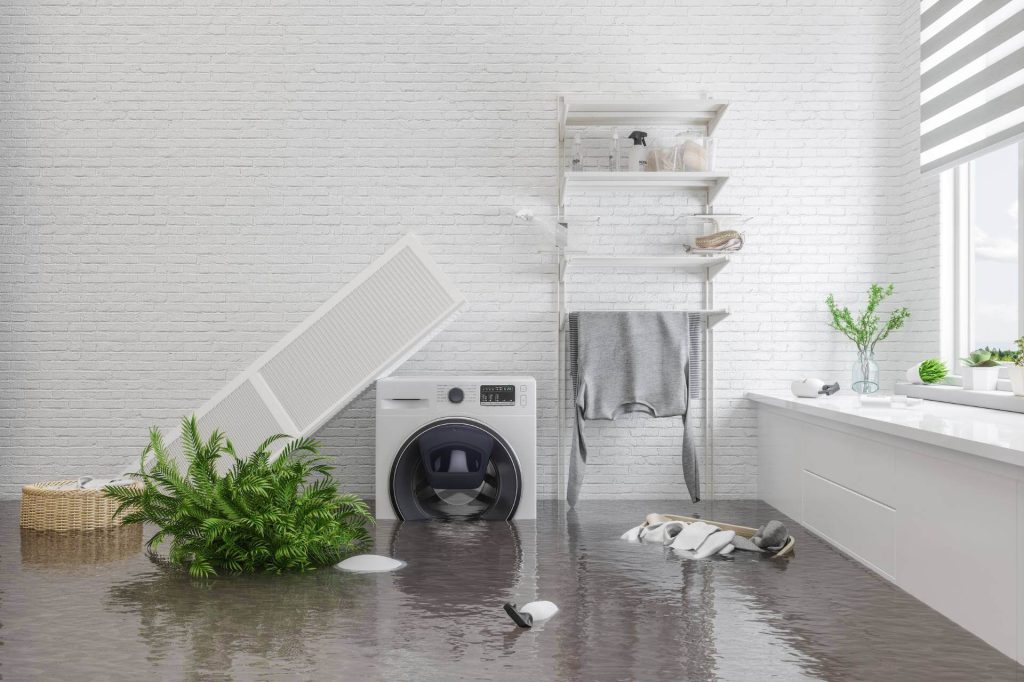
A flooded basement can quickly become one of the most stressful problems a homeowner faces. Water damage can affect walls, flooring, furniture, electrical systems, and the overall structure of a property if it is not handled properly. A professional or well-planned basement flood clean up process is essential to remove standing water, prevent mold growth, and restore the affected areas. Understanding the correct steps after a basement flood can help minimize damage and protect your home from future issues.
Understanding the Impact of a Basement Flood
Basement flooding can happen for many reasons, including heavy rainfall, foundation leaks, clogged drainage systems, broken pipes, sump pump failures, or sewer backups. Regardless of the cause, water can spread quickly and create serious problems if action is delayed. The first stage of basement flood clean up is identifying the source of the water and stopping additional flooding whenever possible.
Standing water creates a dangerous environment because it can damage building materials and encourage mold and bacteria growth. Items stored in basements, such as furniture, documents, electronics, and personal belongings, may also be affected. Quick response is important because the longer moisture remains, the greater the chance of permanent damage.
Safety Comes First During Flood Cleanup
Before beginning any basement flood clean up work, safety should always be the top priority. Floodwater may contain contaminants, especially if the flooding resulted from a sewage backup or outdoor water entering the basement. Wearing protective equipment such as gloves, boots, and masks can reduce exposure to harmful substances.
Homeowners should also check whether it is safe to enter the basement. If electrical outlets, appliances, or wiring have been exposed to water, the power supply should be turned off before entering the area. When flooding is severe, contacting trained restoration professionals is the safest option because they have the equipment and experience needed to handle hazardous situations.
Removing Standing Water Quickly
The first major step in basement flood clean up is removing standing water. Depending on the amount of water present, this may require pumps, wet vacuums, or professional water extraction equipment. Small amounts of water may be removed with household tools, but large floods usually require specialized machinery.
Fast water removal helps reduce damage to floors, walls, and structural materials. It also limits the amount of moisture absorbed into wood, drywall, insulation, and other surfaces. Professional restoration teams often use powerful extraction systems that can remove water more efficiently than standard cleaning methods.
Drying and Dehumidifying the Basement
After water removal, the basement must be completely dried. Many homeowners make the mistake of focusing only on visible water, but hidden moisture can remain inside walls, flooring, and other materials. Proper basement flood clean up includes using air movers, dehumidifiers, and moisture monitoring tools to ensure the area is fully dry.
Good ventilation can support the drying process, but professional drying equipment is often necessary after major flooding. Removing excess humidity prevents mold development and protects the structure of the home. A dry basement is an important step toward successful restoration.
Cleaning and Sanitizing Flood-Affected Areas
Floodwater can leave behind dirt, bacteria, odors, and contaminants. Thorough cleaning and sanitization are necessary to create a healthy living environment. During basement flood clean up, damaged surfaces should be cleaned with appropriate products designed to remove harmful microorganisms.
Carpets, insulation, and certain porous materials may need to be removed if they cannot be properly cleaned. Items that have absorbed contaminated water can become a source of unpleasant odors and health concerns. Proper disposal and sanitation help ensure the basement is safe for future use.
Preventing Mold Growth After Water Damage
Mold can begin growing within a short time after water exposure, especially in dark and damp basement conditions. Preventing mold is one of the most important goals of basement flood clean up. Keeping moisture levels controlled, drying all surfaces, and addressing hidden water sources can significantly reduce mold risks.
Regular inspections after cleanup can help identify early signs of mold, such as musty odors, discoloration, or increased humidity. If mold has already developed, professional remediation may be necessary to remove it safely and prevent it from spreading throughout the home.
Repairing Damaged Basement Materials
Once the basement is cleaned and dried, the next step is evaluating the extent of damage. Some materials may only require cleaning, while others may need replacement. Damaged drywall, flooring, insulation, and wooden structures should be inspected carefully.
A complete basement flood clean up plan does not end with water removal. Restoration involves repairing affected areas and returning the basement to a safe and functional condition. Replacing severely damaged materials can prevent future problems and improve the overall quality of the space.
Preventing Future Basement Flooding
After completing cleanup and repairs, homeowners should take steps to reduce the chance of another flood. Regular maintenance of gutters, downspouts, drainage systems, and sump pumps can help control water around the foundation. Sealing cracks in basement walls and floors may also prevent unwanted water entry.
Installing a backup sump pump, improving exterior drainage, and checking plumbing systems regularly are effective ways to protect your home. Preventative measures are an important part of long-term basement flood clean up solutions because they reduce the risk of repeated water damage.
Why Professional Basement Flood Clean Up Services Matter
Although some minor flooding can be handled by homeowners, major water damage often requires professional assistance. Restoration experts have advanced equipment, moisture detection tools, and industry knowledge to complete the cleanup process correctly.
Professional basement flood clean up services can help with water extraction, drying, sanitation, mold prevention, and repairs. Their experience allows them to identify hidden damage that may not be visible during a basic inspection. Hiring qualified specialists can save time, reduce health risks, and help restore the property more effectively.
Final Thoughts on Basement Flood Restoration
A basement flood can cause significant damage, but quick action and proper cleanup methods can help restore your home successfully. A complete basement flood clean up process includes removing water, drying affected areas, cleaning surfaces, preventing mold, repairing damage, and taking steps to avoid future flooding.
By understanding the essential restoration steps and responding quickly, homeowners can protect their property and create a safer living environment. Whether the flooding is caused by storms, plumbing problems, or drainage issues, effective cleanup is the key to recovering from water damage and restoring your basement.